


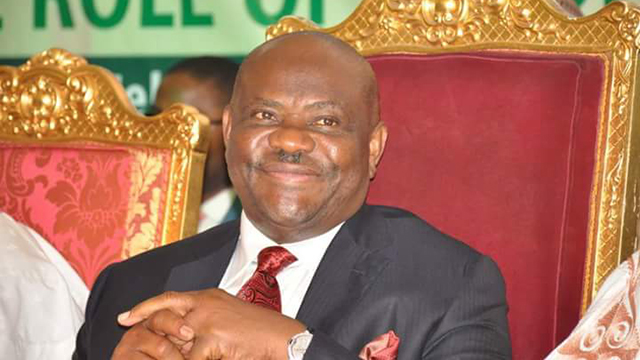
Narrow Perspectives on Governor Wike’s Political Role
In an article titled “Slowly Stripping Wike Off,” Dr. Amanze Obi expressed his views on Rivers State Governor Nyesom Ezenwo Wike. While I initially considered dismissing Dr. Obi’s assertions, I believe they reflect a limited understanding of Wike’s influence within the complex landscape of Nigerian politics.
Exploring Wike’s Political Legacy
While I can sympathize with Dr. Obi’s perspective, I feel compelled to address both the issues he mentioned and those he overlooked. Dr. Obi’s analysis seems to focus solely on Wike’s rise to governorship, overlooking the broader scope of his political history and impact.
Wike’s Noteworthy Achievements
Dr. Obi’s description of Wike as a man of steel is accurate; however, it barely scratches the surface. Prior to becoming governor, Wike made history by being the first individual to serve two terms as Chairman of Obio/Akpor Local Government Council. During his tenure, he constructed the tallest Council Secretariat in Nigeria, which continues to stand as a testament to his leadership.
Leadership and Political Strategy
Wike played a pivotal role during a critical period in the state’s politics, particularly in the Supreme Court judgment that led to the emergence of Rt. Hon Chibuike Rotimi Amaechi as Governor of Rivers State. As Amaechi’s chief of staff for four years, Wike also spearheaded the PDP campaign that secured Amaechi’s re-election. Far from glorifying failure, Wike is a relentless pursuer of excellence in all his endeavors.
Influence Beyond the State Level
Despite personal opinions about Wike’s demeanor, his influence is undeniable. Since 2011, he has served as Nigeria’s Minister of State for Education, where he significantly contributed to the establishment of Almajiri schools in northern Nigeria. His dual status as a high-profile minister and effective political strategist often spark discussions about his role in governance.
Understanding Political Dynamics in Nigeria
Dr. Obi’s comments about Wike’s influence during the PDP convention suggest a misunderstanding of the political dynamics at play. Governance in Nigeria is often governed by interests and electoral strategies rather than mere personal attributes. The notion that Wike single-handedly jeopardized the South-West’s chances for party leadership lacks context; rather, his support for candidates during party conventions is a common political practice within a competitive political landscape.
The Ongoing Political Landscape
Furthermore, the political environment in Nigeria remains tumultuous and rife with complexities, a reality that Dr. Obi appears to overlook. Wike’s ability to convene the PDP convention in Port Harcourt was both a strategic move and a gesture of inclusion. The selection of Port Harcourt as a host city was met with enthusiasm, demonstrating Wike’s commitment to fostering a unified political landscape.
In closing, while Dr. Obi may articulate certain critiques, they often lack an appreciation for the broader political narrative and the ongoing challenges facing the PDP and its members. The question of Wike’s political future in the upcoming election lies not only in his strategies but also in the will of the people and the integrity of the electoral process.
