


Welcome to From the Politics Desk. This daily newsletter brings you the latest reports and analysis from the NBC News political team, covering the White House, Capitol Hill, and ongoing election campaigns.
In today’s edition, Sahil Kapur examines the path forward for Congressional Republicans regarding their upcoming reconciliation bill, while Andrea Mitchell discusses the skepticism surrounding President Donald Trump’s acting director of national intelligence.
— Adam Wollner
Senate Republicans Move Forward on Major Immigration Bill Amid Intraparty Strife
Reported by Sahil Kapur
Today, the Senate voted along party lines to advance a Republican-only reconciliation bill aimed at funding the Immigration and Customs Enforcement (ICE) and Border Patrol, following a two-week standstill caused by internal disagreements regarding the funding associated with President Trump’s initiatives.
After removing taxpayer funding earmarked for the White House banquet hall and following assurances from Acting Attorney General Todd Blanche that the administration will not pursue those funds, Republican leaders are optimistic about the bill’s potential. Voting on the measure is set to begin tomorrow.
Democrats, who have the opportunity to propose unlimited amendments, are planning strategies designed to politically challenge Republicans ahead of the 2026 midterm elections.
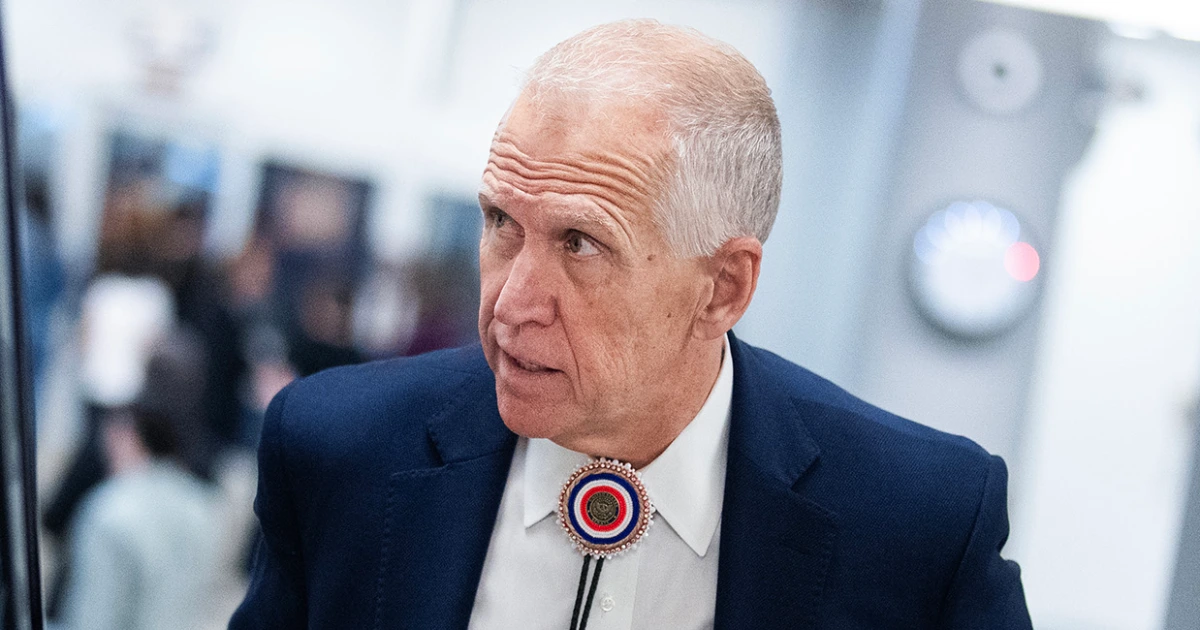
Some Republicans have expressed hesitance regarding the administration’s guarantees, particularly about creating a formal ban on reinstating the $1.8 billion “anti-weaponization” fund. Senator Thom Tillis (R-NC) has been collaborating with colleagues on an amendment to address this issue.
Tillis stated the importance of clearly communicating the necessity to eliminate the fund, emphasizing its potential electoral impact as many lawmakers face re-election challenges. He urged his fellow senators to recognize the urgency of this matter.
Additionally, Senate Minority Leader Chuck Schumer, representing New York, has committed to proposing an amendment targeting Trump’s controversial funds and aims to block any settlements with the Internal Revenue Service that include tax audit exemptions under the former president’s administration.
Examining the Unexpected Primary Defeat of a Pro-Trump Candidate
Written by Jonathan Allen and Henry J. Gomez
Congressman Randy Feenstra was predicted to be the favored Republican candidate for Iowa governor. However, a recent analysis by NBC News of election data from 2026 and 2020 indicates that Zach Rahn’s campaign unmasked vulnerabilities in Feenstra’s district, marking the first time a pro-Trump candidate has lost a gubernatorial, House, or Senate primary this election cycle.
Trump’s Controversial Choice for Acting DNI Faces Tough Scrutiny
Analysis by Andrea Mitchell
President Trump has made a contentious decision regarding the replacement of Director of National Intelligence (DNI) Tulsi Gabbard, provoking concern among both intelligence officials and congressional allies. The president’s selection of Bill Pulte, a housing regulator, to assume the role raises questions about his qualifications to oversee the nation’s 18 intelligence agencies, a responsibility that demands extensive national security expertise.
The 2004 legislation that established the DNI role requires appointees to possess relevant experience, which critics argue Pulte lacks. Senator Mark Warner, vice chairman of the Senate Intelligence Committee, labeled the decision an “insult,” expressing concerns over Pulte’s capacity to manage both national security and congressional oversight.
Pulte’s tenure as housing regulator has been marred by a controversial approach to using mortgage records for targeting individuals perceived as political adversaries of Trump. This further fuels apprehension about the potential misuse of classified information and the politicization of the DNI office.
Furthermore, the DNI’s position was created to facilitate the timely sharing of vital information among government entities, a mission that could be jeopardized by appointing someone with Pulte’s questionable background. With his designation as “acting” DNI allowing him to serve up to 210 days without Senate confirmation, concerns about his immediate authority and influence are growing.
As the debate over the effectiveness and integrity of the DNI office intensifies, Pulte’s appointment is seen as a significant point of contention, potentially impacting U.S. intelligence operations and national security strategy.
