


Zimbabwe Unveils Five-Point Action Plan for Digital Education Sovereignty
ACCRA, Ghana, June 4 (NewsDay Live) – Zimbabwe has announced a five-point action plan aimed at reducing Africa’s reliance on foreign digital learning platforms. This initiative seeks to develop a sovereign education technology infrastructure across the continent.
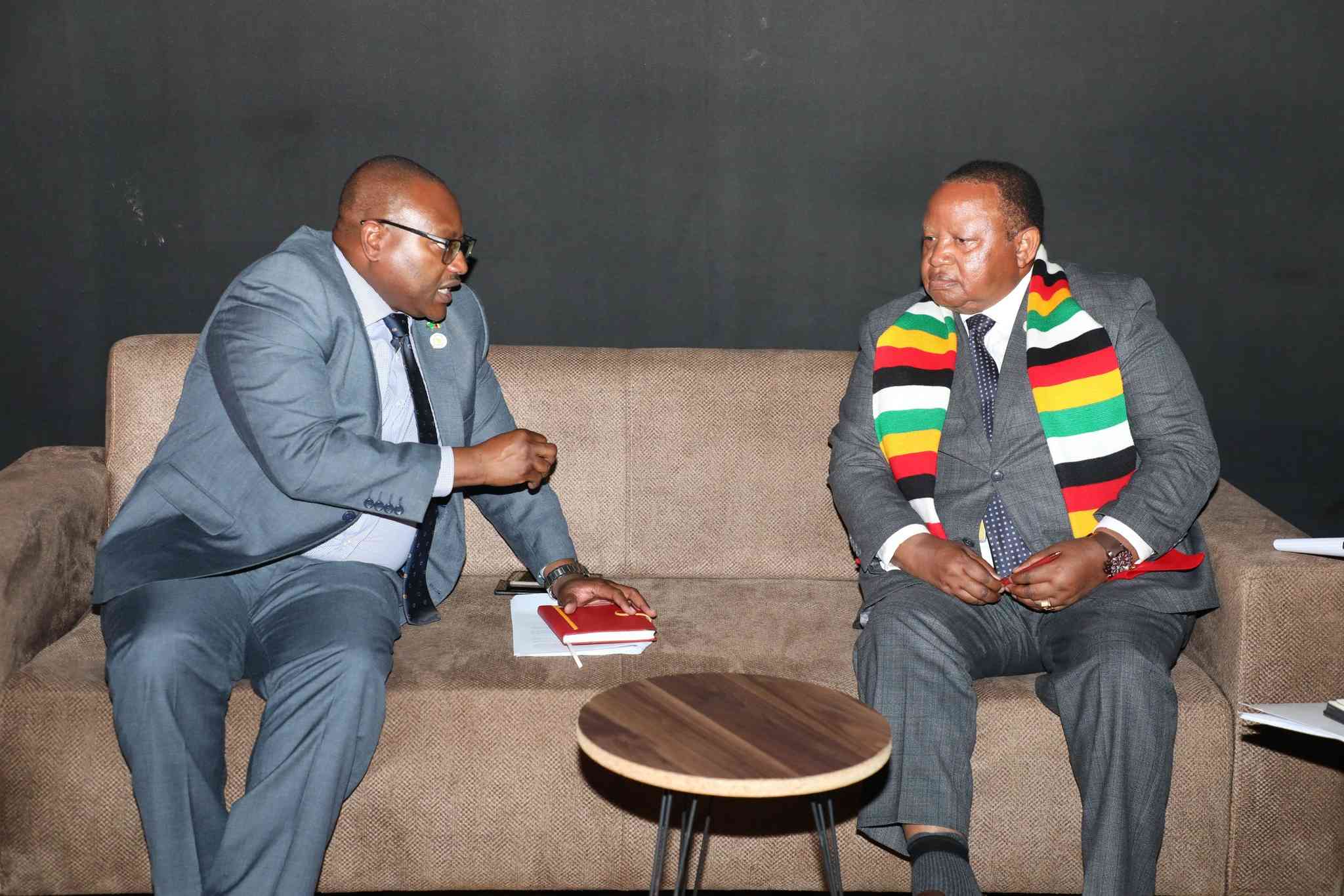
During the 18th African Ministerial Roundtable on e-Learning in Accra, Frederic Chaba, the Minister of Higher Education and Tertiary Education, along with the Ambassador for Innovation, Science and Technology Development, urged African governments to collaboratively take ownership of digital education systems, data infrastructure, and artificial intelligence initiatives.
This exclusive Ministerial Forum runs parallel to the annual e-Learning Africa Conference, themed ‘Advocating Sovereign, Innovative, and Integrated Learning Systems: Empowering Africa on its Own Terms.’ The gathering, hosted at Labadi Beach Hotel from June 3rd to 5th, is expected to see over 1,000 delegates from more than 80 countries.
Shaba presented Zimbabwe’s approach as a model for the continent, highlighting investments in high-performance computing facilities, national data centers, and an interconnected cyberinfrastructure that links educational institutions. Notably, Zimbabwe is developing AI tools in indigenous languages to be hosted on local GPU clusters, steering clear of foreign cloud platforms.
Shaba emphasized that the development of e-learning platforms and AI-powered educational content would utilize a unique containerized cloud infrastructure. He characterized this strategy as “digital industrialization in action” and labeled the country’s educational intellectual output as a “sovereign national asset.”
In his five proposals aimed at fostering Africa’s digital education independence, Shaba suggested the establishment of a continental cyberinfrastructure-sharing protocol. This would mimic the existing framework within the Southern African Development Community, which facilitates researchers in Zimbabwe and South Africa accessing each other’s high-performance computing facilities.
In addition, Shaba called for significant investment in data centers and reliable power infrastructure to bolster artificial intelligence and digital learning systems. He also proposed the creation of a pan-African open educational resource framework featuring common standards and cross-border recognition for digital qualifications. He asserted that qualifications earned in one African nation should be acknowledged throughout the continent.
Moreover, he advocated for an African regulatory sandbox designed to co-finance locally developed virtual laboratories and AI platforms, while ensuring the retention of intellectual property within Africa. Mr. Shaba further proposed a continental AI readiness agreement committing member states to deploy locally hosted AI tools in educational settings and to share training datasets, all while adhering to national curriculum priorities.
This initiative arises amidst increasing concerns among African policymakers regarding the continent’s dependence on technologies developed and managed outside of Africa. In a candid moment, Mr. Shaba acknowledged his worries about previous discussions where it was indicated that external systems dominate African educational landscapes.
The 2026 Ministerial Roundtable convened ministers responsible for education, ICT, labor, youth, and finance to explore strategies for enhancing Africa’s digital learning ecosystem and improving workforce readiness. Organized in collaboration with the African Union Development Agency (AUDA-NEPAD), the African Union, and UNESCO, the conference was officially opened by Ghana’s Vice President, underscoring the growing significance of digital education and skills development across the continent.
