


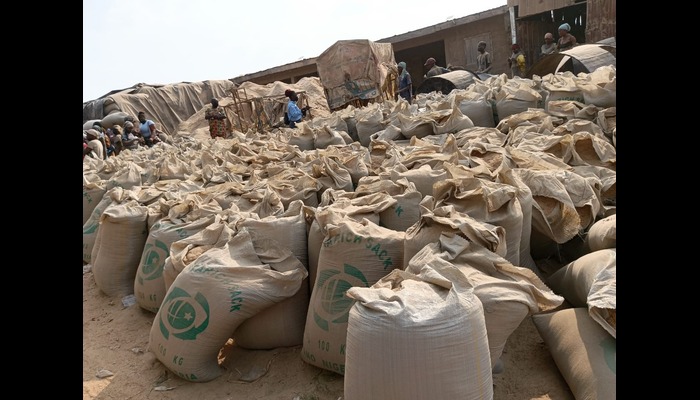
Thailand Contributes Rice to Address Food Insecurity in Nigeria
The Kingdom of Thailand has donated 12 tons of Thai long-grain rice to support humanitarian relief efforts in northeastern Nigeria, where millions continue to endure severe food insecurity due to ongoing conflict, displacement, and economic hardship.
Strengthening Support Through Collaboration
This donation was officially presented to the United Nations World Food Program (WFP) Nigeria during a ceremony at its Abuja office, underscoring the deepening cooperation between Thailand, Nigeria, and WFP in combating hunger and aiding vulnerable populations.
Critical Humanitarian Needs in Nigeria
The timing of this contribution is particularly critical. Over 35 million people across Nigeria are experiencing acute food insecurity, with more than 6 million individuals in the northeastern states of Borno, Adamawa, and Yobe facing crisis-level food shortages due to a poor harvest season, according to WFP.
Challenges Faced by Humanitarian Organizations
Humanitarian agencies are wrestling with declining global funding and reduced support from donors, which limits their capacity to assist those in need. The Royal Thai Ambassador to Nigeria, Tirapas Mongkolnabin, emphasized Thailand’s active monitoring of developments in the region and underscored the severity of the humanitarian crisis affecting hundreds of thousands in northeastern Nigeria.
Financial Commitment to Alleviate Hardship
In addition to the rice donation, the ambassador revealed that Thailand had previously contributed $10,000 to the Nigeria Humanitarian Fund, which is managed by the United Nations Office for the Coordination of Humanitarian Affairs. Ambassador Mongkolnabin expressed his hope that this rice donation would provide relief to vulnerable communities, reaffirming Thailand’s commitment to support long-term food security initiatives.
Partnerships Essential for Effective Humanitarian Aid
WFP Country Director Edouard Thiam expressed gratitude for Thailand’s generous donation, noting its significance at a time when humanitarian resources are stretched thin. He highlighted that the inclusion of rice in food aid packages enhances both the quality and cultural relevance of the support offered to beneficiaries, particularly in areas where food insecurity is most acute.
Urgent Financial Needs and Future Assistance Goals
Thiam also indicated that WFP aims to provide food and nutritional support to over 700,000 vulnerable individuals in northern Nigeria by 2026, albeit this goal represents only half the number of people supported in 2025 due to funding limitations. He urged other donors and partners to join in amplifying support to ensure no one is left behind in the battle against hunger, particularly as insecurity and environmental challenges continue to exacerbate food insecurity.
Highlighting the Role of International Solidarity
The Minister of Humanitarian Affairs and Poverty Reduction, Bernard Dollo, echoed the call for stronger partnerships and expressed gratitude to the Thai government for their contribution. He emphasized the importance of international solidarity in addressing food insecurity and improving the welfare of vulnerable Nigerians. As the region grapples with ongoing humanitarian crises, support from countries like Thailand is crucial for sustaining assistance and promoting long-term improvements in food security.
