


Relevance of Past Remarks Surfaces Amid Constitutional Talks on State Police in Nigeria
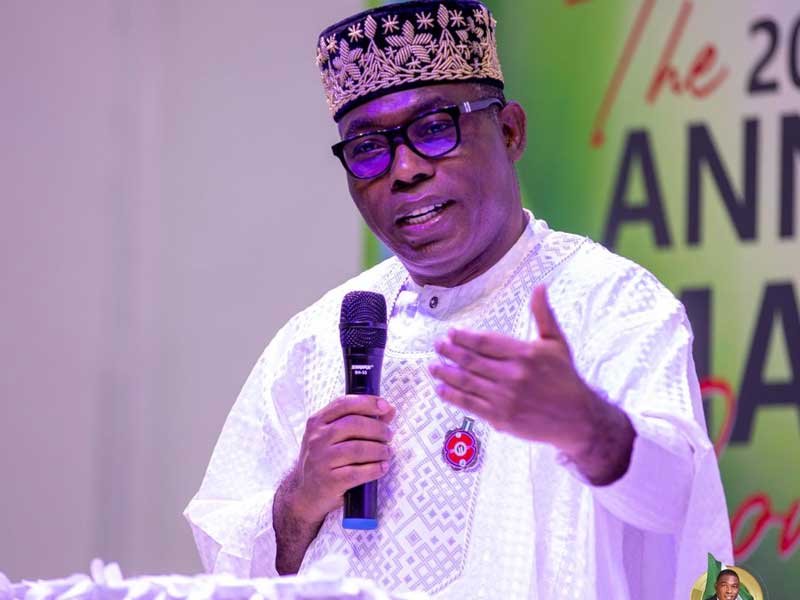
Comments made nearly four years ago by former Social Democratic Party (SDP) presidential candidate, Prince Adewole Adebayo, are regaining attention as Nigeria approaches new constitutional discussions concerning the establishment of a state police force. His earlier insights now resonate as critical points in the ongoing debate over security reform in the country.
Adebayo Advocates for Localized Law Enforcement
During an interview prior to the 2023 presidential election, Adebayo advocated strongly for the creation of state and local government police forces. He argued that Nigeria’s centralized security framework has become ineffective and misaligned with local needs. Adebayo contends that governments at all levels, empowered to legislate, should also possess the authority to enforce these laws.
Challenges of Centralized Policing
The former candidate highlighted the inconsistency in allowing state authorities to legislate on critical issues such as crime, health, and security, while relying primarily on a centrally-managed police force based in Abuja. This disconnect raises questions about the effectiveness of law enforcement in addressing crimes—ranging from murder to theft—that significantly impact daily life in Nigeria.
Lagos Example Illustrates Bureaucratic Delays
Using Lagos as a case in point, Adebayo pointed out the inefficiency of requiring federal intervention for incidents occurring entirely within the state. This reliance on national authorities not only diminishes accountability but also hampers timely justice for victims of crime.
Call for Comprehensive Police Reform
Adebayo is not only calling for decentralization but also for comprehensive reform within the police force itself. He believes that the Nigerian police must evolve from a culture of force to one centered on public service and community trust. This transformation is essential for the police to become agents of the public rather than extensions of governmental power.
Linking Security to Economic Governance
In addition to advocating for police reforms, Adebayo connected Nigeria’s security issues to broader failures in economic governance. He dismissed arguments that insufficient taxation is the root cause of the nation’s fiscal challenges and instead emphasized the substantial revenue losses attributed to resource theft, leakages, and ineffective administration.
Pursuing Efficient Revenue Collection
He urged the government to focus on legally mandated revenue collection rather than imposing further tax burdens on citizens and businesses. He cited oil theft and illegal mining as key areas where improved governance could significantly bolster national income. Furthermore, Adebayo criticized arbitrary tax practices, warning that unrealistic valuations harm productivity and foster corruption. Efficient revenue collection, he argued, is essential for economic recovery, alongside transparent governance and stringent protection of public resources.
Although this interview took place several years ago, the topics raised—particularly around decentralized policing and economic management—remain central to current discussions on governance in Nigeria. Adebayo’s early assertions are being revisited as part of a broader movement advocating for security and structural reforms, reigniting debate over state police in national policy discussions.
