


Renewed Tensions Escalate Between Iran and Israel
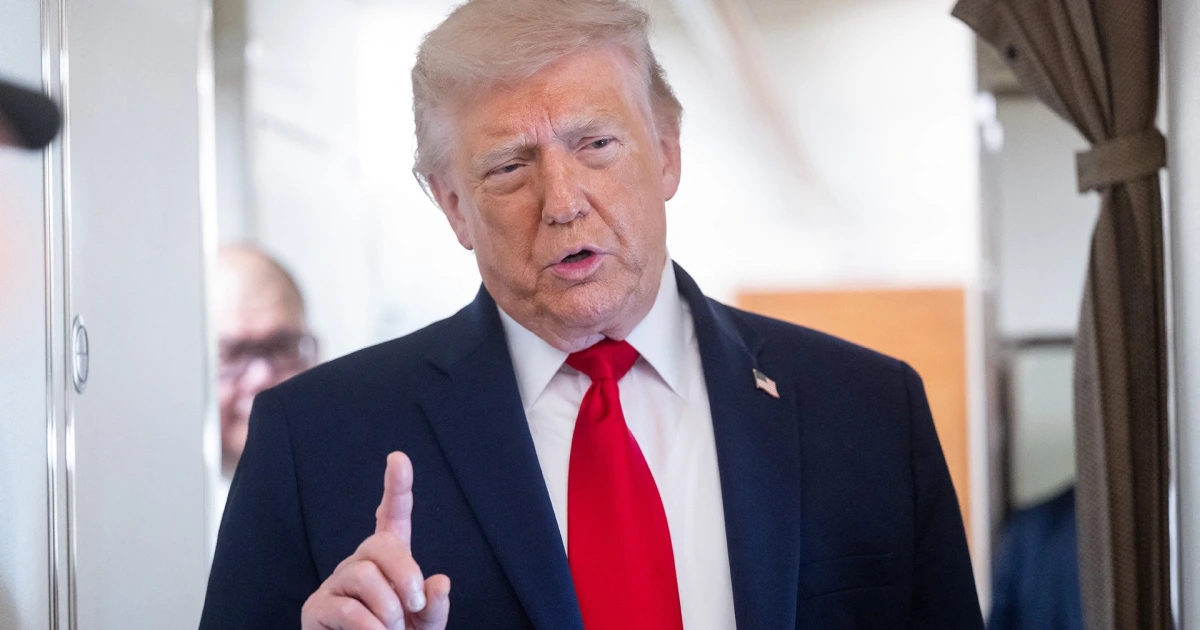
Recent exchanges of attacks between Iran and Israel mark a significant resurgence of tensions following a ceasefire announced in April. This escalation has drawn international attention as both nations engage in hostile actions. In response to the Iranian offensive, President Donald Trump has publicly urged Israeli Prime Minister Benjamin Netanyahu not to retaliate. Trump’s comments indicate a pivotal shift in U.S. foreign policy, emphasizing that he believes any agreement with Iran will ultimately be dictated by Washington. “He has no choice… I decide everything,” Trump asserted.
The Current State of Affairs in the Middle East
The recent hostilities highlight the fragile balance of power in the Middle East, a region long beset by conflict and geopolitical struggles. As tensions heighten, analysts speculate on the implications for U.S.-Middle Eastern relations, particularly regarding Iran’s nuclear ambitions. The Biden administration’s approach to handling Iran remains critical as America seeks to stabilize a volatile situation.
International Reactions to the Escalation
The response from the global community has been mixed, with some nations expressing concern over the potential for widespread conflict. Diplomatic engagements are underway, but the complexity of the situation makes a quick resolution seem unlikely. Several countries have called for restraint on both sides, emphasizing the need to return to the negotiating table.
Military Preparedness and Strategy
As military actions unfold, both nations are likely reassessing their strategies and capabilities. Israel’s military preparedness is crucial, particularly in light of the U.S.’s historically supportive stance. Iran, on the other hand, may be testing the limits of American resolve and demonstrating its military prowess in the region. This dynamic complicates an already intricate geopolitical landscape.
Economic Implications of the Escalating Conflict
The renewed conflict could have severe economic implications, impacting oil markets and broader economic stability in the region. Investors are closely monitoring developments, as fluctuations in crude oil prices could arise from disruptions. Additionally, businesses operating in Middle Eastern markets may need to reconsider their risk assessments and operational strategies in light of these tensions.
Looking Ahead: Diplomatic Solutions
The potential for diplomatic resolutions remains a topic of discussion among international leaders. A collective effort to de-escalate tensions and foster dialogue will be paramount to avoid further conflict. Experts assert that robust negotiation frameworks must be established to address the underlying issues driving hostilities.
Public Sentiment and Media Coverage
Public opinion surrounding the conflict is shifting, with media coverage contributing to a growing interest in U.S. foreign policy. As events unfold, citizens are becoming increasingly aware of the implications this conflict has on global peace efforts. The role of media in shaping perceptions and delivering balanced narratives will be crucial as the situation develops.
