


Radio Must Adapt or Face Irrelevance, Says Media Executive
Femi Obong-Daniels, a prominent media executive, has issued a stark warning to radio stations: failure to adapt to shifting audience habits in the digital era could render them obsolete. He emphasized that the greatest challenge facing the industry is not competition from social media, but rather a lack of compelling content.
Keynote Address at LASU Radio’s Anniversary
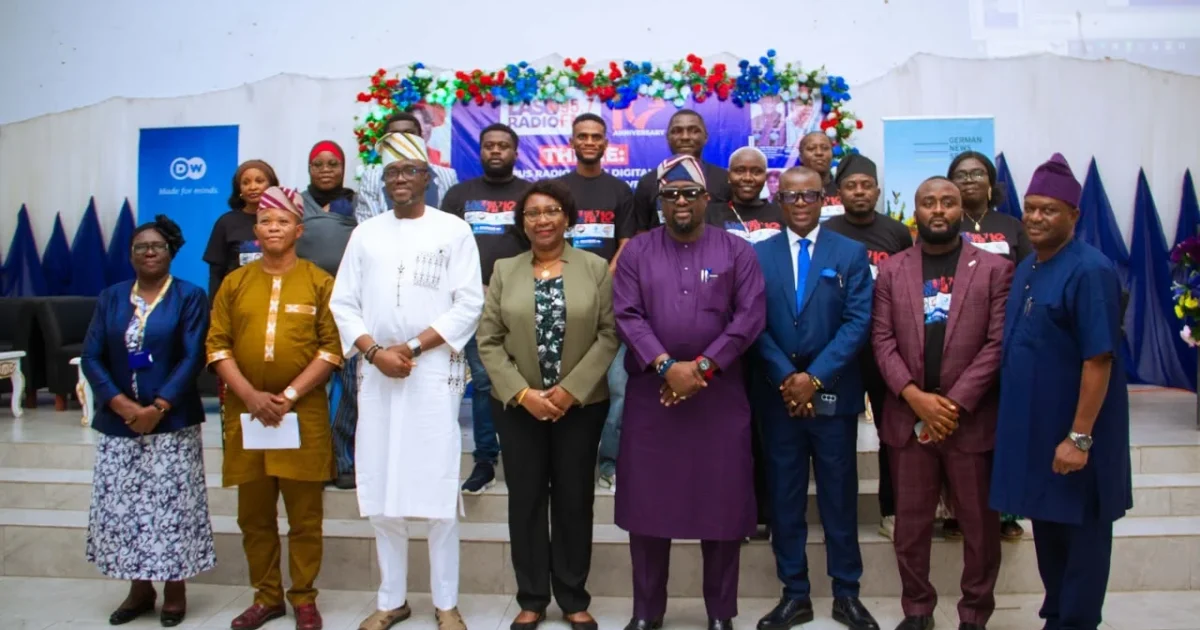
Obong-Daniels, who serves as the General Manager for Cool FM, Wazobia FM, and Nigeria Info, made these remarks during his keynote address at the 10th anniversary celebration of LASU Radio 95.7FM, the campus station affiliated with Lagos State University. The event, held at the Femi Gbajabiamila Conference Center, gathered industry leaders, academics, students, and media professionals to explore the future of campus broadcasting in an increasingly digital landscape.
Evolving Beyond Traditional Broadcasting
During his speech entitled “Campus Radio in the Digital Age: Celebrating 10 Years of LASU Radio,” Obong-Daniels highlighted the necessity for radio to evolve beyond traditional terrestrial models to maintain relevance amidst digital competition. The keynote was delivered on behalf of Mr. Chuma Nnori, the Head of Sports at Cool FM, Wazobia FM, and Nigeria Info.
Understanding the Modern Radio Landscape
He posed a critical question: Can radio still hold significance in a digital world? His answer was affirmative, provided that radio stations recognize the profound changes that have taken place. According to him, the rise of social media, streaming services, and even artificial intelligence has revolutionized how audiences consume content.
Identifying Real Threats to the Industry
Obong-Daniels asserted that the actual threat to radio is not digital media but rather uninspired content. “The danger lies in broadcasting that fails to engage,” he said. He urged modern radio stations to reinvent themselves as multimedia content hubs that can captivate audiences across diverse digital platforms.
The Role of Campus Radio in Training Future Professionals
He further elaborated on the importance of campus radio stations as vital training environments for aspiring journalists, broadcasters, content creators, and communications professionals. “Campus radio plays a crucial role in developing not just presenters but also the future architects of media,” he stated, highlighting LASU Radio’s commitment to cultivating a new generation of communicators, thinkers, and digital strategists.
Emphasizing Versatility and Digital Presence
Obong-Daniels encouraged students to acquire essential skills including podcasting, digital storytelling, audience engagement, branding, and proficiency in artificial intelligence tools. He warned that success in the future media landscape will increasingly depend on adaptability and innovation.
Call for Enhanced Digital Strategy
The media executive also urged LASU Radio to bolster its digital presence by expanding efforts in podcasting, multimedia production, content archiving, creator development initiatives, and forming strategic partnerships within the industry. “LASU Radio should strive to be more than just a campus station; it should aim to be an innovation hub in Nigeria’s media landscape,” he stated.
Reflecting on a Decade of Achievement
The anniversary celebration, attended by esteemed figures such as the Vice-Chancellor of Lagos State University, Professor Ibiemi Olatunji Bello, spotlighted the station’s contributions over the past ten years. It has functioned as a practical training platform for students while fostering community development and information dissemination both within and beyond the university.
Looking Forward to Innovation and Growth
Participants in a subsequent panel discussion examined the impact of emerging technologies on journalism and broadcasting, addressing the myriad opportunities available to young media professionals. As LASU Radio embarks on its next decade, stakeholders reaffirmed the critical need for innovation and digital transformation in the sector.
