


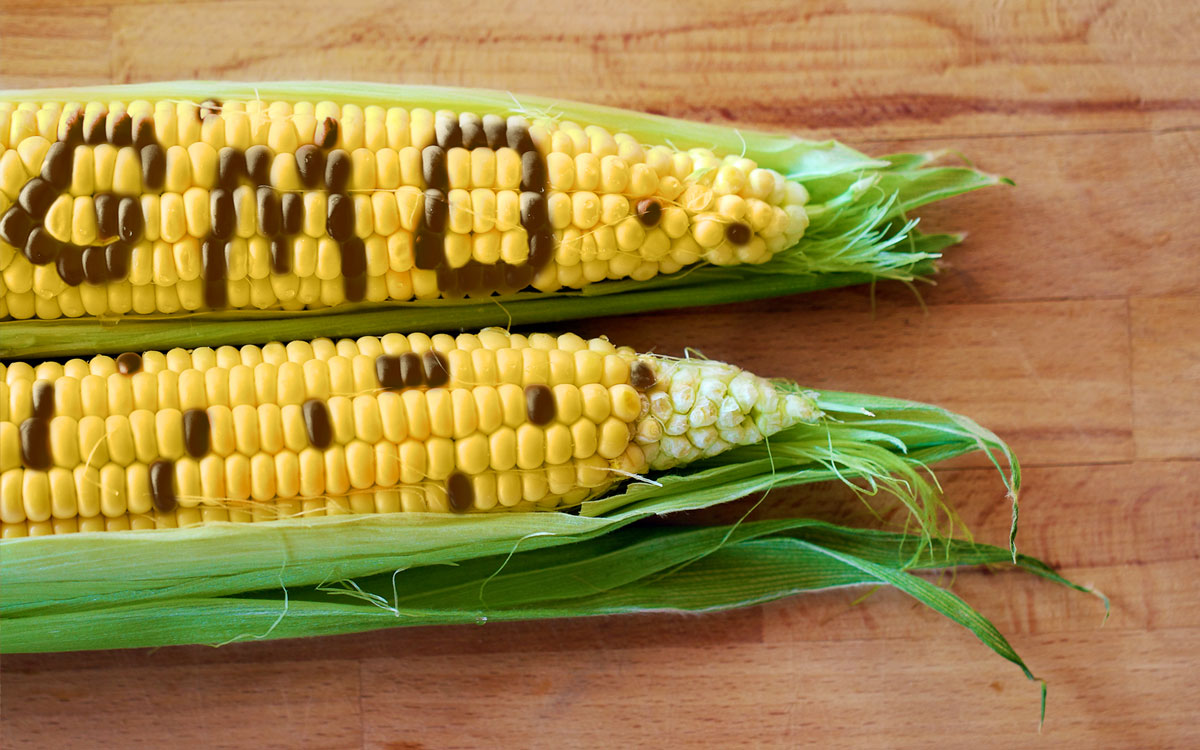
Nigerian Organizations Demand Suspension of GMO Approvals
A coalition comprising environmental, agricultural, and civil society groups has urged the Nigerian government to halt the approval of new genetically modified organisms (GMOs). This call comes amid growing concerns regarding biosafety, public health, biodiversity, and the rights of farmers.
The group made its demands clear in a communiqué issued at the conclusion of the National Conference on Biosafety and Agroecology in Abuja on Monday. The gathering featured representatives from federal ministries, regulatory bodies, agricultural communities, researchers, and legal professionals, all of whom engaged in discussions about the rising approval and commercialization of genetically modified crops in Nigeria, including Bt cowpea, TELA maize, and recently registered transgenic cotton varieties.
Concerns Over Biotechnological Impacts
During the conference, participants voiced their apprehensions regarding the implications of GMOs for biosafety, environmental protection, food sovereignty, public health, and the rights of farmers. The coalition called on the federal government to suspend any new GMO approvals until independent, long-term peer-reviewed evaluations—including feeding trials, environmental impact assessments, and social impact studies—are conducted.
The communiqué also emphasized the need for an independent review of existing GMO approvals to ensure adherence to the National Biosafety Management Act (NBMA) and the precautionary principle. Recommendations extended beyond regulatory measures; they included enhancements to public agricultural research, the protection of native seed systems, support for community seed banks, and increased investment in agroecological research and training.
Debate on GMOs in Nigeria’s Food System
The introduction of GM crops in Nigeria remains a contentious issue, with two primary perspectives emerging. Advocates argue that GMO technology can significantly boost food production and enhance food security. However, critics highlight potential environmental and health risks, pointing to insufficient regulatory enforcement and inadequate labeling practices.
According to the International Agri-Biotechnology Application and Acquisition Office, over 30 major food crops have been genetically modified around the globe. Nigeria has pioneered the commercialization of four crops—maize, cowpea, cotton, and soybean—and stands as one of six African nations at the forefront of adopting genetically modified crops. In a controversial move, the government approved four varieties of Terra maize in 2024, intensifying discussions on the safety and transparency of GM crops.
Regulatory Challenges and Compliance Issues
Existing challenges related to farmers’ knowledge about GM seed properties and their potential dependence on seed companies raise further concerns. A 2024 investigation by Premium Times revealed that the U.S. government, via the now-defunct USAID, had financed campaigns promoting pesticides and GMOs in Nigeria while discrediting their critics.
In March, the National Biosecurity Authority ordered a halt to the sale of four newly registered transgenic cotton hybrid varieties—MIC 561 BGII, MIC 563 BGII, BIOSEED-FIYAH CH1001, and BIOSEED-FIYAH CH1002. These varieties were reportedly registered without the needed approval from the NBMA, exposing significant compliance anomalies as determined by regulatory oversight.
Rethinking Food Security Approaches
The conference also underscored the urgent need for comprehensive, people-centered, and sustainable solutions to Nigeria’s food security challenges. Participants expressed concern over biodiversity loss, genetic contamination of indigenous seed varieties, and existing monoculture farming practices. They emphasized that reliance on pesticides and the lack of rigorous long-term ecological research on GM crops necessitate re-evaluation of current practices.
The communiqué pointed out that proprietary seed systems could jeopardize farmers’ rights to save, share, and improve their seeds, likely affecting local food systems and rural livelihoods. It also called for increased transparency, accountability, and public involvement in biosafety governance frameworks.
Furthermore, the report warned about the detrimental effects of ongoing pesticide use, highlighting risks to human health, biodiversity, soil fertility, and water resources. The participants endorsed agroecology as a sustainable alternative to conventional agriculture, citing its potential to enhance soil health, biodiversity, and the livelihoods of farmers.
Structural barriers, including limited access to land, finances, and technological resources, were identified as significant impediments affecting farmers, particularly women and youth. Participants strongly asserted that Nigeria’s food and agricultural policies should prioritize ecological sustainability, food sovereignty, and the collective welfare of current and future generations.
