


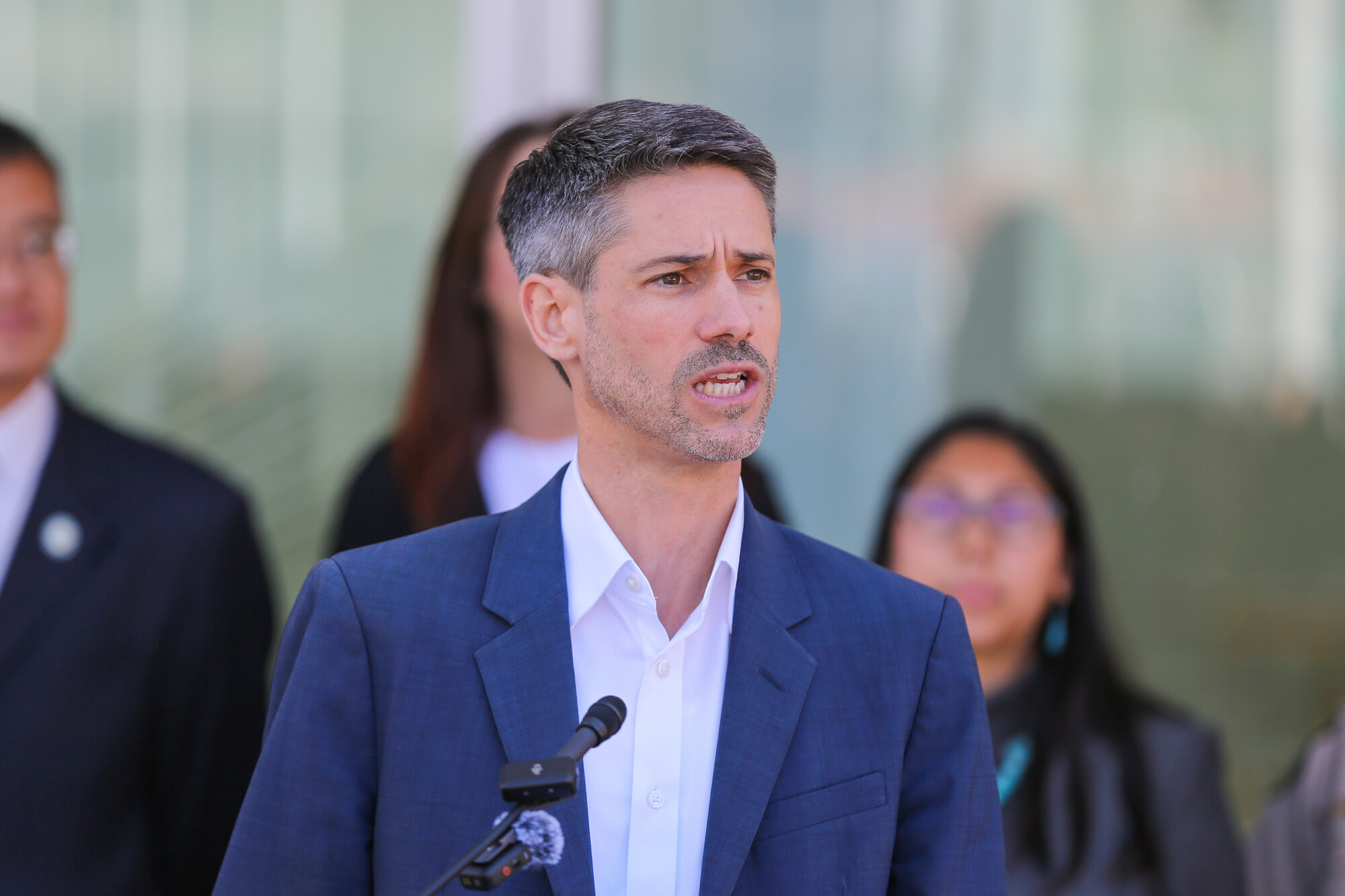
San Jose Council Approves Budget Plan to Address $50.3 Million Shortfall
The San Jose City Council has greenlighted a financial strategy aimed at closing a substantial $50.3 million budget deficit. This decision was bolstered by the recent voter backing of Measure A, which increases the hotel tax, providing a vital cushion for the city’s finances.
Job Cuts and Housing Initiatives in the Fiscal Year 2026-27 Budget
The newly adopted budget will result in a net reduction of 19 positions across the municipal workforce, while 66 roles, previously funded by one-time payments, will not be extended. Since Mayor Matt Mahan assumed office in 2023, the city has managed to establish a modest housing network that provides over 2,000 beds for individuals facing homelessness. This initiative has contributed to a 10% decrease in the unsheltered homeless population between 2023 and 2025. However, the financial resources needed to maintain this shelter system exceed current funding allocations, necessitating ongoing support from the general fund.
Encampment Closures and Program Budget Cuts
The approved budget includes the closure of 56 licensed tent encampments located on Taylor Street, which is expected to save approximately $1.2 million in the upcoming fiscal year. Additionally, funding for BeautifySJ, the city’s program aimed at reducing blight, will see a reduction of $4.2 million due to the clearance of two major encampments last year, one near Coyote Creek and another in Columbus Park.
Potential Collaborative Funding with Santa Clara County
City officials express optimism that ongoing discussions with Santa Clara County may result in the county sharing some of the financial responsibilities associated with the shelter system. This collaboration could mitigate future impacts on the general fund and provide a more sustainable funding model moving forward.
Support for Immigrant Defense Amid Financial Constraints
In a bid to address community needs despite the fiscal challenges, the council has committed $1 million to nonprofit organizations that offer legal aid and defense services for immigrants facing deportation. City Councilman Peter Ortiz emphasized the importance of these services in promoting family unity and assisting community members in navigating complex immigration systems.
Concerns Over Immigration Detention and Future Fiscal Projections
During the budget proposal’s public comment session, advocates raised alarms about a proposed U.S. Immigration and Customs Enforcement detention center in Gilroy, expressing concerns over increased anxiety within immigrant families. Joanna Becerra from Amigos de Guadalupe stressed the necessity for proactive community support to prepare for potential crises.
Budget Shortfall Driven by Economic Challenges
The budget shortfall was largely addressed by utilizing the city’s budget stabilization reserves, which has reduced the emergency fund from $87.5 million to a mere $25 million. Analysts predict that San Jose will face a continuing financial shortfall, estimated at $26.8 million for 2027-28 and $11.8 million for 2028-29. The city’s economic struggles, particularly in real estate and higher-than-expected severance costs, have led to these grim forecasts, further complicated by potential tax revenue declines from local card rooms due to new state regulations.
Measure A’s Impact on Future City Revenue
Meanwhile, Measure A, which has garnered support from approximately two-thirds of San Jose voters, is projected to generate $6.8 million in revenue for the city in the next fiscal year. However, the fiscal plan presented by the city manager did not encompass this revenue, suggesting potential cutbacks such as reduced Sunday library hours and a decrease in foot patrols for downtown areas.
Future Taxation Strategies and Community Impact
While some progressive supervisors suggested re-evaluating San Jose’s business tax structure as a means to increase revenue, this proposal did not make it into the final budget. Currently, taxes are levied based on employee counts, and shifting to a gross receipts tax could potentially enhance revenue without harming job growth, although it may present new administrative challenges. Deputy Mayor Pam Foley voiced concerns about raising business taxes during this precarious economic climate, highlighting the risks to small businesses and the city’s attractiveness to larger corporations.
