


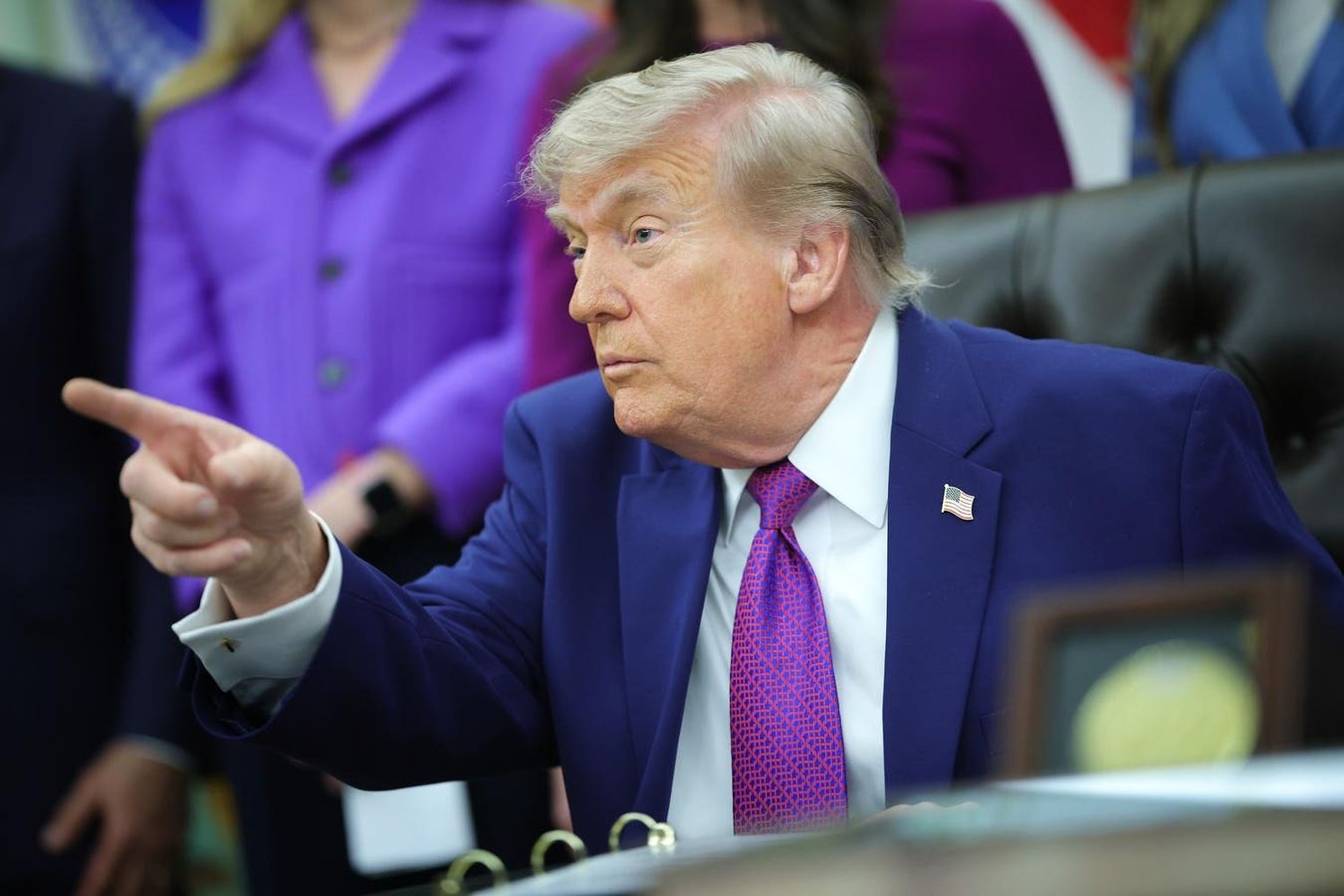
While the Trump administration has expressed the need to increase the number of doctors in the United States, its immigration policies are concurrently constricting the influx of medical professionals. Administration officials argue that a higher number of physicians would help reduce healthcare costs and enhance overall public health. Yet, critics point out that recent restrictions are hindering potential candidates, particularly those from underserved communities, from gaining access to the U.S. healthcare system.
A study from the National Policy Foundation, conducted by University of North Florida economics professor Madeline Zavodny, reveals that over 26 percent of physicians and surgeons practicing in the U.S. are foreign-born. Many of these doctors arrive in the United States as international medical graduates, highlighting the crucial role immigrants play in the country’s healthcare landscape.
Disparity Between Healthcare Needs and Immigration Regulations
The Trump administration has elaborated various strategies to tackle the healthcare accessibility issues faced by many Americans. However, these strategies fail to leverage the potential of foreign doctors as a critical solution to bolster the healthcare workforce.
In April, the White House highlighted a report from the Council of Economic Advisers, which discussed existing challenges faced by rural physicians and underscored the administration’s commitment to rectify these issues. “By addressing both supply and demand side causes of past challenges, the administration is proactively working to prepare America’s healthcare system to meet the nation’s needs,” the report stated. Despite these intentions, significant efforts to limit foreign-born physicians have persisted.
In May 2025, the administration temporarily halted visa issuance for J-1 applicants, a move that disproportionately affects international medical graduates seeking residency and fellowship opportunities in the U.S. Many of these physicians later choose to practice in underserved areas, filling a critical gap in healthcare access.
The administration further restricted entry from 39 countries through various proclamations, curtailing the inflow of medical professionals. Analysts highlight that several of these countries, including Nigeria, are vital sources of healthcare talent. Additionally, a $100,000 fee imposed on H-1B visa applicants has made it financially challenging for rural hospitals to recruit foreign doctors. A recent federal ruling has reduced this fee, yet an appeal is anticipated from the Trump administration.
The situation has been compounded by U.S. Citizenship and Immigration Services Director Joseph Edlow suspending the adjudication of applications from individuals from the banned countries. Although a federal court deemed this practice illegal, the administration is likely to fight the ruling, leaving a significant backlog of applications and exacerbating the physician shortage.
Repeated Oversights in Immigration Policy
This is not an isolated incident of the Trump administration overlooking immigration-related solutions. In July 2025, the administration introduced an AI action plan that failed to consider the contributions of immigrant talent in this field, despite immigrants constituting a significant proportion of AI researchers and entrepreneurs in the U.S.
A study by the National Foundation for Policy Studies indicated that nearly two-thirds of top AI companies in the U.S. have been founded or co-founded by immigrants, and 70% of full-time graduate students in AI-related fields hail from abroad. This oversights suggest a disconnect between the administration’s drive for technological advancement and its restrictive immigration policies.
Experts argue that reforming immigration policy could substantially alleviate the physician shortage. Proposals include lifting restrictions imposed by the Trump administration, easing H-1B visa and green card limitations for physicians, and recognizing foreign medical training from countries like Canada and nations within the European Union. “America needs to train more doctors at home,” states Greg Siskind of Siskind Sasser. However, he emphasizes that addressing the issue comprehensively will take years, during which many Americans may face healthcare challenges due to the lack of available physicians.
