


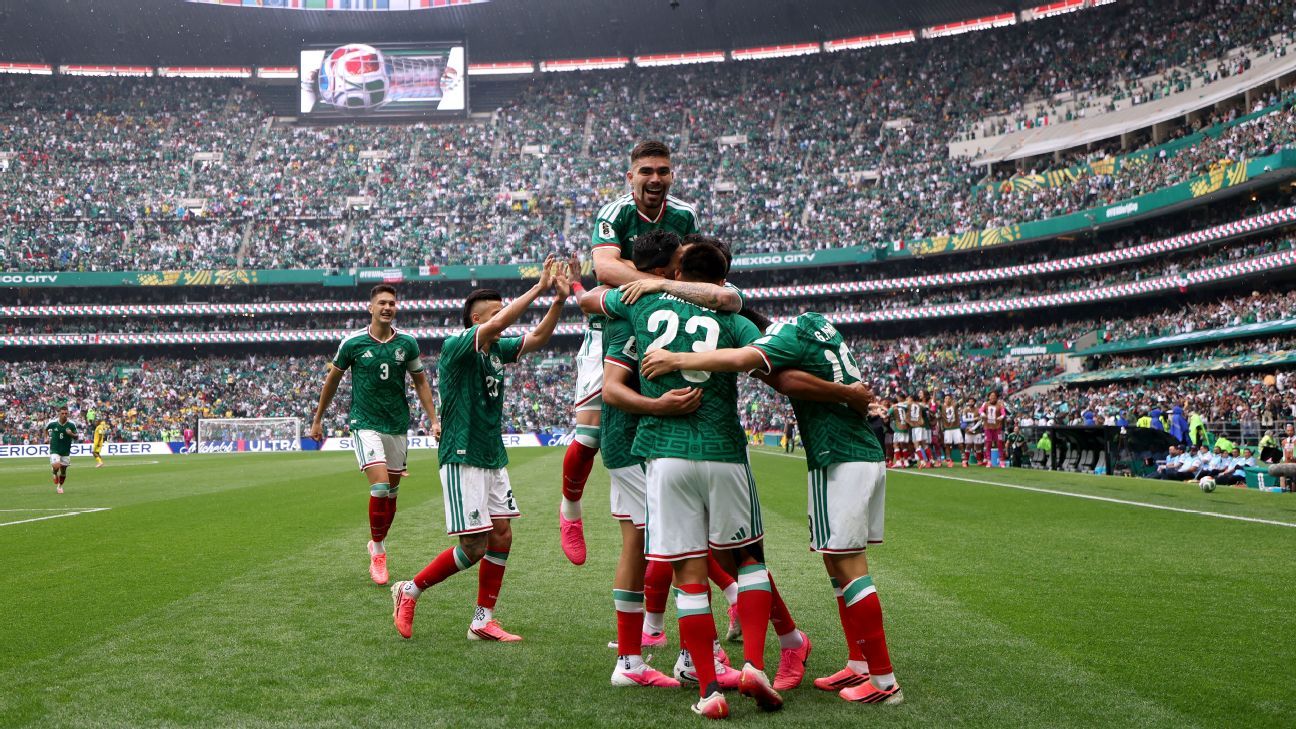
MEXICO CITY — The atmosphere at Azteca Stadium was electric as the Mexican national anthem resonated through the air, drawing tears of joy from many fans, including myself. This historic moment marked Mexico as the first nation to host the FIFA World Cup three times. As I reflected on my late grandmother, a passionate supporter of both the sport and El Tri, emotions surged within me. It was a poignant reminder of the connections between past and present, intertwining memories with the excitement of the tournament.
Forty years ago, El Tri coach Javier Aguirre was on the pitch as a player during Mexico’s last World Cup hosting in 1986. That year, the Mexican national team advanced to the quarter-finals, matching their best performance since the inaugural tournament in 1970. These achievements set a high bar for Mexican soccer and ignited hopes of reaching the pinnacle of the sport.
However, the following decades saw a period of stagnation. From 1994 to 2018, Mexico made it to the round of 16 at six consecutive World Cups. Yet, in 2022, the team faced disappointment with an early group stage exit, further dampening national aspirations.
A Resounding Celebration
In stark contrast, the opening match of the 2026 World Cup brought a wave of optimism uncommon in recent years. Before the kick-off, fans joyously launched thousands of colorful paper sombreros into the air, creating a spontaneous celebration that energized the stadium. This joyful act, orchestrated by organizers, served as a perfect prelude to the match.
Julián Quiñones capitalized on the festive spirit, scoring an early goal just nine minutes into the game. The cheers reverberated throughout Azteca, and the sea of flying sombreros became a symbol of hope and celebration. For as long as many can remember, fans have come to this iconic venue to pray for moments like this. Their hopes, including those of supporters who have passed away, were fulfilled once again when Raul Jimenez scored a second goal in the second half, nearly sealing the victory.
Group Stage Hurdles
Yet, as is often the case in celebration, not everything went smoothly. The second half saw three red cards issued—two to South Africa and one to Mexico’s defender, Cesar Montes. The question now looms over who will fill Montes’ role in El Tri’s upcoming match against South Korea, casting a slight shadow over the jubilant atmosphere.
While Mexico basked in victory, it’s essential not to overlook South Africa’s contributions to the game. Despite being outmatched, the visiting team demonstrated respect for Mexico, allowing the hosts to maintain their lead. This tactical choice, however, raised questions about their strategy throughout the match.
Yet, the elation in the stands was palpable. As the final whistle blew, music erupted from the speakers, and fans celebrated joyously with hugs and smiles all around. In the midst of the celebration, I noticed a man wearing a replica World Cup shirt that read “World Cup Legacy 86-26,” depicting a father and son symbolizing the connection between the past and future.
It remains to be seen whether a similar legacy will emerge following Mexico’s spirited and emotional victory. This moment not only celebrates a win on the pitch but also reflects a nation’s enduring love for soccer.
