


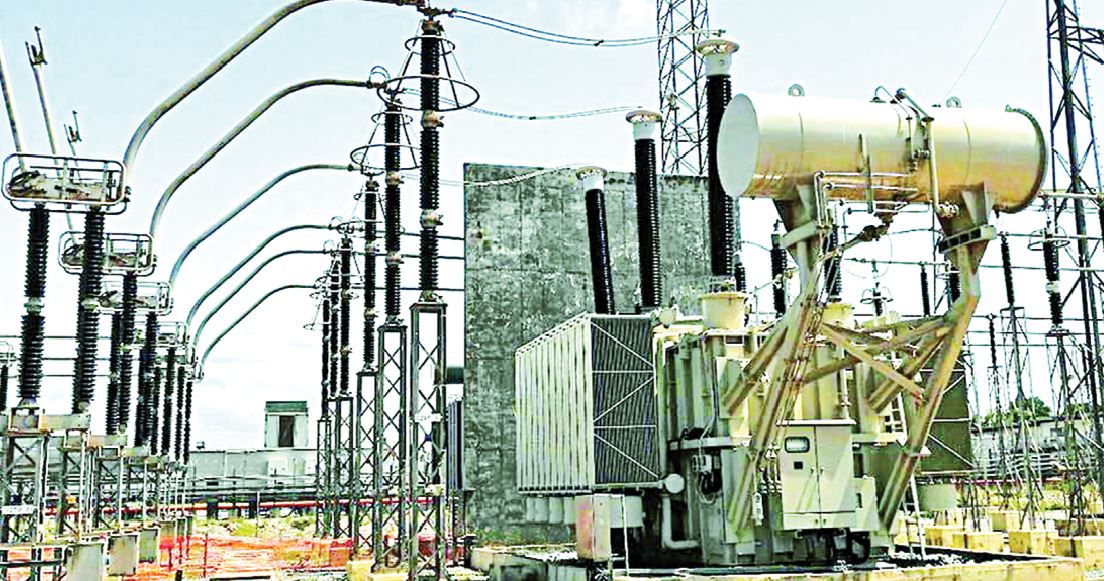
Nigeria’s Electricity Crisis: A Deepening Challenge for Households and Businesses
Nearly 50 percent of Nigerian households lack access to reliable electricity. In fact, within any group of 10 Nigerians, 4 to 5 individuals face complete or limited electricity access. This energy poverty hampers businesses from reaching their full potential, disrupts healthcare services reliant on consistent power, and restricts educational opportunities for countless students. For a nation aiming to industrialize rapidly, draw investment, create jobs, and enhance living standards, the urgency of addressing this issue cannot be overstated.
Understanding the Scope of the Electricity Accessibility Issue
According to the National Wind Resource Capacity Report published by Oando Clean Energy Limited in collaboration with the Nigeria Wind Energy Council, 44.6 percent of households in Nigeria lack adequate electricity access. The solution extends beyond simply generating more power; it demands a comprehensive implementation of various strategies to effectively bridge this critical gap.
Examining the Historical Energy Debate in Nigeria
The discourse surrounding Nigeria’s energy landscape has focused extensively on generation capacity and the expansion of transmission infrastructure. While these aspects are essential, they do not fully address the ongoing electricity access challenges, which are among the most significant obstacles to the nation’s economic and social progress.
The Importance of Reliable Electricity for Economic Growth
Reliable electricity is pivotal to nearly every aspect of contemporary life. It fuels businesses, supports healthcare delivery, enhances educational attainment, and creates conditions indispensable for economic advancement. In its absence, productivity suffers, investment dwindles, and millions remain deprived of opportunities.
Exploring Multifaceted Approaches to Energy Solutions
Nigeria cannot depend solely on a singular energy solution to address its challenges. Although solar energy is integral to the nation’s ambitions for energy transition, gas will continue to play a significant role in ensuring grid stability and supporting industrial activity. Hydropower also remains a crucial source of renewable energy. Each energy technology offers unique advantages that must be harnessed collectively.
The Necessity of Diversification in Energy Resources
Countries successful in expanding electricity access typically employ a mix of resources tailored to geographic contexts, resource availability, and economic needs. A diversified strategy enhances system resilience, boosts reliability, and mitigates dependence on any one generation source. In Nigeria, this approach becomes even more critical as distinct communities and industries have varying energy requirements and resource availability.
Wind Energy’s Role in Nigeria’s Future Energy Landscape
Globally, wind energy has evolved into a well-established technology. The International Energy Agency projects that global wind power capacity will surpass 1 terawatt in 2023, underscoring its expanding role worldwide. Yet in Nigeria, wind energy has had a limited presence in energy planning discussions, often due to the scarcity of localized assessments that illuminate commercially viable opportunities.
Leveraging Insights from the National Wind Resource Capacity Report
The OCEL National Wind Resource Capacity Report addresses these gaps, offering critical insights on viable wind resources. Produced in partnership with the Nigeria Wind Energy Council, the report aims to unite policymakers, development partners, and private sector stakeholders to accelerate wind energy development in Nigeria. By pinpointing regions in the Northern Highlands and Coastal Corridor where wind energy can flourish, this report underscores wind’s ability to complement solar, gas, and hydropower in a diversified energy strategy.
The Broader Implications of Wind Power for Nigeria
The report posits that wind energy should not be viewed as competition to other energy sources but rather as an additional asset for policymakers and investors grappling with complex energy challenges. Addressing Nigeria’s electricity access disparities is essential for unlocking the economic potential of communities and industries. Ultimately, the report emphasizes the need for a varied energy mix and sustained efforts to deploy all viable resources. Given the scale of Nigeria’s electricity crisis, it is imperative to adopt a diversified approach to energy distribution to ensure that millions of Nigerians gain access to the electricity they so urgently need.
Adepitan, an energy company executive, writes from Lagos.
