


Escalating Military Strikes Heighten Tensions Between the U.S. and Iran
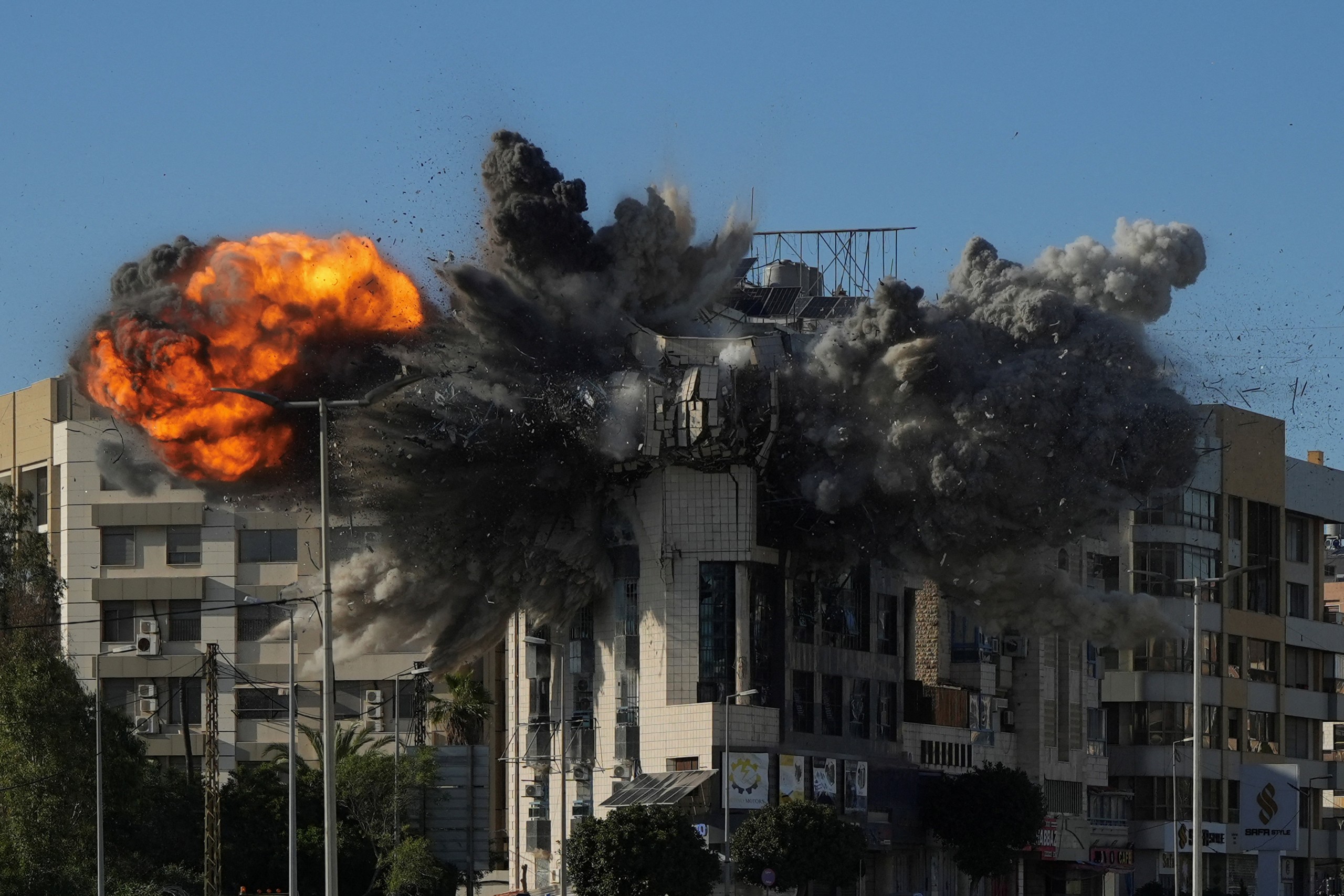
The United States and Iran engaged in military strikes for the second consecutive day on Thursday, fueling concerns that the fragile ceasefire established in April may deteriorate, potentially leading the region back into widespread conflict.
Trump’s Ultimatum to Tehran
This latest escalation follows warnings from U.S. President Donald Trump, who urged Tehran to swiftly agree to a peace agreement or risk further military action. The uptick in hostilities began after an Apache helicopter operated by the U.S. crashed near the Strait of Hormuz earlier this week, trigging a chain of retaliatory attacks throughout the Middle East, according to Reuters.
U.S. Military Response
The U.S. military reported executing what it characterized as a “self-defense attack” targeting military surveillance systems, communication networks, and air defense facilities in southern Iran. U.S. Central Command stated that this operation was a direct response to what they described as Iran’s “unwarranted and continued aggression” toward U.S. forces and interests in the region.
Potential for Continued Conflict
While President Trump indicated that this series of attacks might soon come to an end, he cautioned that military actions would resume should Iran fail to achieve an agreement with the United States. Fox News correspondent Trey Yingst relayed that Trump mentioned the bombing campaign could cease shortly, though he would not hesitate to initiate new strikes if Iranian leadership remained unresponsive.
Market Reactions and Rising Oil Prices
The ongoing conflict has unsettled energy markets, with Brent crude oil prices climbing to approximately $95 per barrel. Investors express concern that an extended conflict could jeopardize global supply chains significantly.
Iran’s Aggressive Counteractions
In a swift rebuttal, the Islamic Revolutionary Guard Corps announced attacks targeting 18 U.S. military sites, including bases in Bahrain and Kuwait, along with facilities associated with the U.S. Navy’s 5th Fleet. Additionally, Iranian state media indicated that ballistic missiles were deployed against the Muwaffaq Salti Air Base in Jordan for the second consecutive night. Reports from the Revolutionary Guards claimed to have destroyed multiple U.S. fighter jets and military installations, although these assertions remain unverified by independent sources.
Regional Impact and Growing Tensions
Bahraini authorities reported that debris from an intercepted Iranian drone caused damage to homes and vehicles in Manama and Hamad Town, with minor injuries reported from the incident. Bahrain’s Interior Ministry indicated that falling debris affected a residential area, resulting in slight injuries to an 11-year-old girl. Meanwhile, Kuwait temporarily closed its airspace and has maintained a heightened state of alert due to concerns about further escalations.
Strait of Hormuz and Broader Implications
The standoff has significantly raised tensions surrounding the Strait of Hormuz, a crucial global energy route. Iran’s senior military leadership has warned that ships navigating the waterway could be in danger of attack, while Iranian media claimed two U.S. warships were hit by artillery fire—a claim the U.S. military disputed, asserting that no American vessels had been targeted and that commercial shipping continues to operate in the strait.
As these confrontations intensify, the potential for a renewed conflict presents a dire challenge to the ceasefire established between Washington and Tehran in April. Diplomatic initiatives aimed at securing a sustainable peace deal have stalled, with both nations accusing one another of undermining negotiations. The escalating military actions and rising oil prices are fostering international concerns that conflict could spread throughout the region, jeopardizing both regional stability and global energy markets.
