


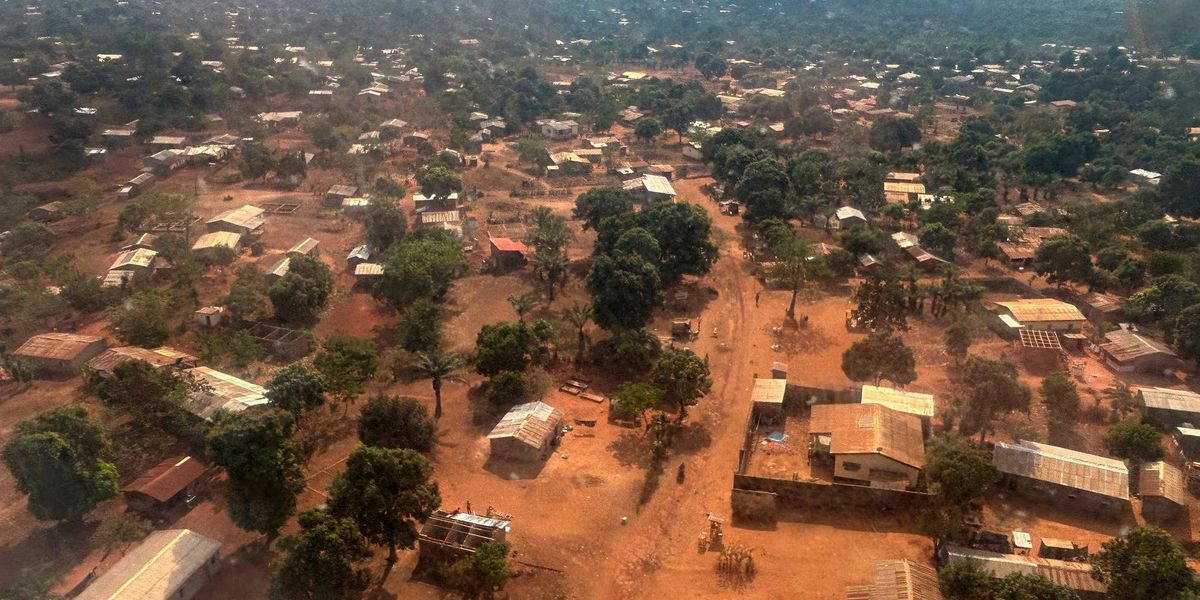
Migrants from the U.S. Set to Arrive in Central African Republic
BANGUI, Central African Republic — An Iranian woman is among approximately 20 migrants expected to land in the Central African Republic (CAR) on Friday, part of deportation flights organized by the United States. This development highlights the contentious third-country deportee acceptance agreements established by the Trump administration with various African and Latin American nations.
The Central African Republic, a nation grappling with conflict and extreme poverty, is one of at least nine African countries that have consented to accept third-country nationals expelled from the U.S.
Advocates argue that the Trump administration is deporting thousands of individuals to around two dozen nations outside of their countries of origin, leveraging a series of less transparent agreements that form part of a broader crackdown on U.S. immigration policies.
Immigration lawyers contend that these third-country deportations represent a legal loophole, allowing the U.S. government to indirectly compel asylum seekers to return to their home countries.
Details about the number of migrants on the deportation flight that departed from Louisiana late Thursday for Bangui remain unclear. However, those slated for deportation include individuals from Iran, Jordan, Armenia, Turkey, Georgia, and Afghanistan, as confirmed by Ali Rahnama, director of the Iranian American Legal Defense Fund.
Initially, three Iranian women residing in the U.S. were set to be deported to the Central African Republic. However, two of them received an emergency court order temporarily halting their deportation as a judge reviews the legality of the government’s actions, according to immigration lawyer Sahar Jalili Pawelski.
All three women were granted court protection against deportation to Iran after a judge determined they faced a credible risk of political or religious persecution.
Additionally, an elderly Syrian man was scheduled for deportation to CAR but was also granted an emergency order to pause his deportation, as reported by lawyer Margaret Stock.
The U.S. Department of Homeland Security refrained from commenting on the matter, citing security reasons for not disclosing future removal efforts. U.S. Immigration and Customs Enforcement has yet to respond to requests for further information.
The Central African Republic is recognized as one of the world’s poorest nations, plagued by prolonged conflict between pro-government forces and armed groups. Despite possessing significant gold reserves, one in three residents survives on less than $2 per day.
Moreover, CAR was among the first African nations where the Russian mercenary group Wagner operated, providing security for President Faustin-Archange Touadera and assisting in combatting rebel forces. The country continues to be a close ally of Russia, even in light of recent tensions between Touadera and the Kremlin, following demands to supplant Wagner with the Kremlin-controlled Afrika Korps.
Rahnama, of the Iranian American Legal Defense Fund, expressed apprehension regarding the potential deportation of Iranian asylum seekers to the Central African Republic, noting the formidable influence of Russia in the region and the security ties that exist between CAR and Iran.
___
Banchereau reported from Dakar, Senegal. Associated Press writer Rebecca Santana contributed from Washington.
