


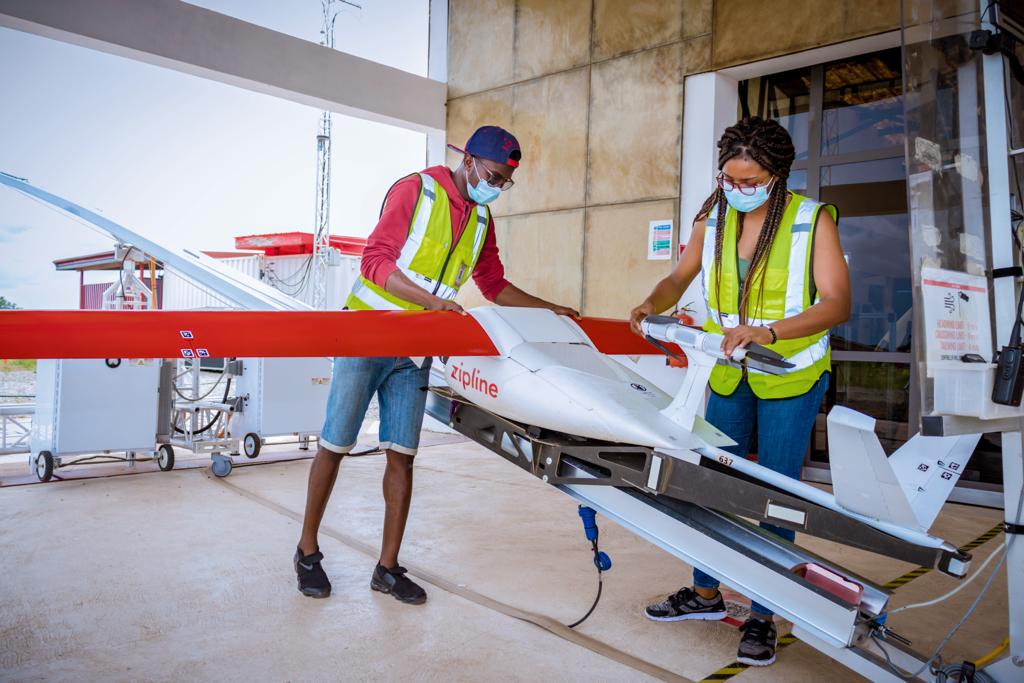
Drone Deliveries Expanding Beyond Healthcare in Africa
A decade into the integration of drone deliveries within Africa’s healthcare systems, the industry is now seeking growth opportunities in agriculture rather than just hospitals. Zipline, a leader in drone delivery networks across several African nations, is set to expand its agricultural services initially developed in Rwanda to new markets, while also looking for innovative ways to maximize the use of its existing infrastructure originally designed for medical logistics.
Commercial Viability of Drone Infrastructure
This strategic pivot reflects the reality of the commercial landscape for drone operators. Establishing distribution centers, regulatory frameworks, cold chain systems, and airmail operations entails significant costs. As these networks are already in place, there is a strong incentive for carriers to diversify their delivery categories to optimize the current infrastructure.
Opportunities in Livestock Breeding
One promising avenue for expansion is livestock breeding. A recent study supported by industry stakeholders indicates that farmer incomes have increased due to a program combining cold storage with drone delivery of livestock insemination materials. The gains are attributed to higher piglet and pork production, showcasing the potential benefits of integrating drone technology into agricultural practices.
Beyond Agriculture—Broader Implications for Drone Operators
For drone operators, the significance of these agricultural initiatives extends far beyond the farming sector. Many of the continent’s drone networks were initially established to meet urgent public health needs—such as blood transport and vaccine distribution. While these services remain essential, they do not utilize the network’s full capacity year-round. By venturing into agricultural delivery, operators can diversify their services and increase year-round demand.
Rwanda as a Testing Ground for New Services
Rwanda has emerged as the primary testing ground for this dual approach. Zipline’s largest operational base in Africa, the country continues to play a crucial role in expanding logistics infrastructure and testing urban drone delivery capabilities. This has placed Rwanda at the forefront of the company’s long-term strategy for operational development.
Network Expansion Strategies in Africa
Zipline currently operates in Rwanda, Ghana, Kenya, Nigeria, and Ivory Coast, with ongoing discussions aimed at expanding coverage in existing markets through additional distribution facilities. This focus on deepening infrastructure reflects ongoing developments in Rwanda, where Zipline is set to enhance its network by establishing another distribution center to broaden its reach and increase delivery capacity.
Investor Scrutiny and the Future of Drone Logistics
The strategy signifies a shift in how growth is defined; it is no longer solely about entering new countries. Instead, enhancing coverage in established markets could serve as a viable expansion pathway, especially in regions where regulatory frameworks for commercial drone operations are already in place. This emphasis is becoming increasingly important as investors intensify their scrutiny of infrastructure-heavy technology ventures.
Drone logistics demand substantial upfront investments before achieving meaningful delivery volumes. By increasing the range of services on each network, operators can optimize utilization while distributing operational costs across a variety of sectors. Agriculture, in particular, stands out due to its overlapping technical requirements with medical logistics, including efficient cold chain management and rapid transportation to communities located far from city centers.
However, challenges remain in replicating Rwanda’s successful model elsewhere. The country has garnered a reputation as a vibrant hub for autonomous logistics, allowing companies to test their services at a scale that is less achievable in larger markets. The task of duplicating the unique combination of regulatory support, operational expertise, and infrastructure may prove more difficult than simply copying the technology. Consequently, Zipline’s forthcoming growth phase may hinge as much on the economics of its network as on advancements in drone technology, raising a crucial question: how many industries can effectively benefit from the same logistical infrastructure?
