


Government Reforms Aim to Restore Economic Stability
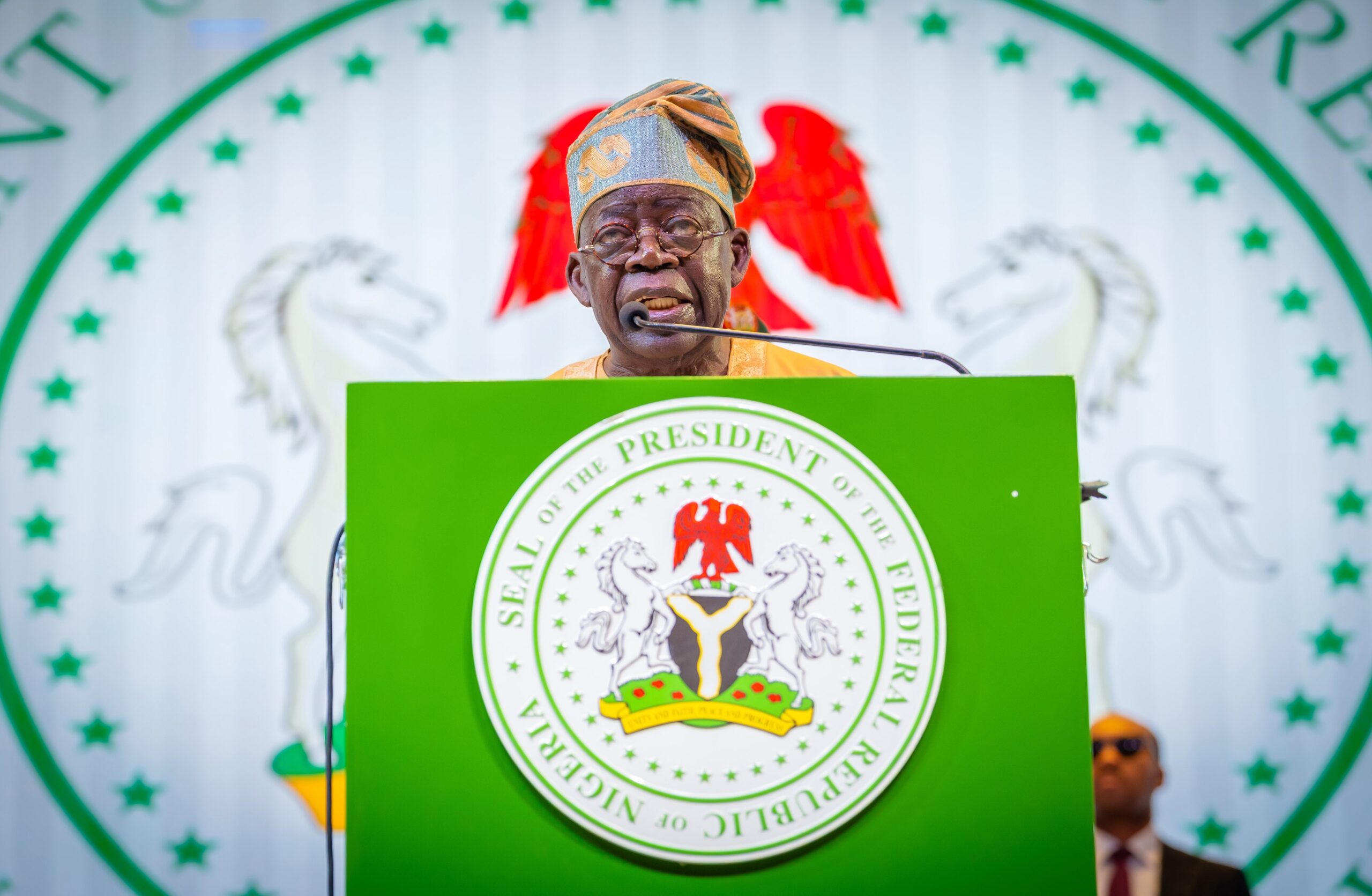
President Bola Tinubu emphasized on Friday that the ongoing reforms by his administration have successfully reinstated stability and bolstered confidence in Nigeria’s economic management. During his Democracy Day address, he highlighted the increase in national revenue, which offers state and local governments enhanced resources for vital areas such as infrastructure, education, healthcare, and security.
Improvements in Fiscal Transparency and Investor Confidence
The President noted significant advancements in fiscal transparency, with reduced financial leakages enabling better allocation of public funds to national priorities. He pointed out that investor sentiment has returned, evidenced by heightened investments across various sectors, including agriculture, energy, manufacturing, technology, mining, transport, and the creative industries.
Transformative Economic Reforms Under Tinubu’s Administration
Since President Tinubu took office three years ago, Nigeria has introduced several innovative reforms aimed at stimulating economic growth and attracting foreign capital. The government has eliminated the petrol subsidy, which had been a significant burden on public finances, draining trillions of naira annually from the national budget.
Challenges Amidst Reforms
However, this reform has contributed to rising living costs, resulting in soaring prices for energy, transportation, and food. Additionally, the government has unified the foreign exchange market, replacing multiple fragmented exchange rates with a single, market-driven system. This shift means that exchange rates are now influenced by supply and demand, rather than being fixed by the previous administration.
Impact of Devaluation and Monetary Policies
The naira has experienced considerable devaluation, leading to increased inflationary pressures, albeit aimed at attracting foreign investment. The country has also reformed its tax system to enhance the tax-to-GDP ratio, updated its inflation calculation methods, restructured its GDP base, and adopted orthodox monetary policies to manage rising inflation.
Macroeconomic Indicators Show Progress Despite Hardships
While these reforms have resulted in substantial macroeconomic improvements—evidenced by net foreign exchange reserves climbing to $35 billion by the end of 2025 from just $4 billion two years ago—there has yet to be a marked difference in the day-to-day lives of citizens. The International Monetary Fund recently reported that living conditions in Nigeria remain troubling, with poverty rates soaring to 63%, and an estimated 27 million Nigerians projected to experience food insecurity later this year.
Government Commitment to Address Economic Challenges
In his speech, President Tinubu acknowledged the ongoing economic hardships faced by many Nigerians. He reaffirmed the government’s commitment to controlling inflation, expanding food production, creating jobs, and enhancing living standards to lay the groundwork for sustainable prosperity.
