


Borno State Reinforces Controversial Amnesty Program for Former Rebels
The Borno State government has successfully reintegrated an additional 720 rehabilitated former insurgents into their communities under the Deradicalization, Rehabilitation, and Reintegration (DRR) program. This initiative reignites ongoing debates regarding Nigeria’s amnesty policy for surrendered terrorists.
These beneficiaries, categorized by the government as “low risk” and “minor customers,” represent the ninth cohort of the DRR initiative. After undergoing rehabilitation and deradicalization, they pledged an oath on the Holy Quran prior to reuniting with their families and communities.
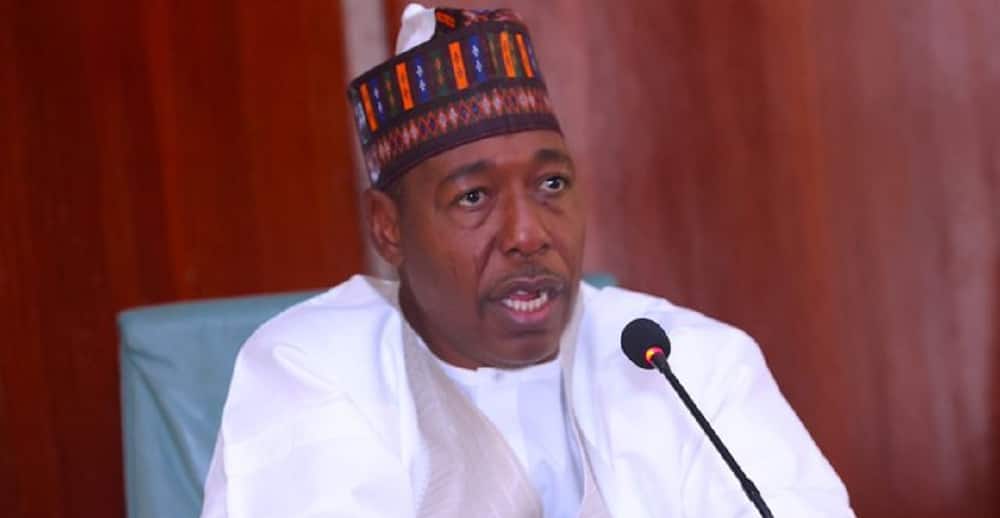
This recent reintegration is part of the Non-Movement Counter-Insurgency Strategy launched by Governor Babagana Umara Zulum on July 5, 2021. The strategy aims to encourage insurgents to surrender, renounce violence, and transition back to civilian life through rehabilitation, counseling, and vocational training.
Brigadier General Ishaq Abdullahi (retired), the Governor’s Special Assistant on Security, described the program as one of Nigeria’s most effective peacebuilding efforts. Abdullahi noted that the total number of rehabilitated and reintegrated individuals now stands at 9,680 since the program’s inception.
In addition to former combatants, the program supports 992 spouses and 2,050 children of these individuals. It provides them with essential services, such as religious guidance, psychosocial support, vocational training, and starter kits to facilitate their reintegration into society.
Beneficiaries were selected from various local government areas—including Bama, Konduga, and Maiduguri—after a thorough vetting process involving community leaders, members of the Civilian Joint Task Force, and local hunters.
Hajiya Zweira Gambo, Secretary for Women’s Affairs and Social Development, emphasized that the program symbolizes reconciliation and recovery for communities that have suffered extensively due to more than a decade of insurgency.
However, the latest phase of reintegration has faced backlash from religious organizations, security analysts, and the public, who argue that the policy disproportionately benefits perpetrators over the victims of terrorism. The Pentecostal Fraternity of Nigeria (PFN) recently condemned the continuation of amnesty for those deemed repentant, urging the government to dismantle the program.
Critics point out that the insurgency has resulted in the deaths of thousands and displaced millions, complicating rehabilitation and reintegration for the victims. Some experts contend that this approach may demoralize security forces, fostering a sense of injustice among those who risk their lives on the frontline.
Speaking on the issue, an anonymous Muslim cleric in Ibadan questioned the rationale behind the initiative. He argued that, in several countries like Chad and Sri Lanka, terrorists face severe consequences for their actions. He lamented that the Nigerian government’s focus on rehabilitation neglects the significant human suffering and economic losses that have resulted from insurgent activities.
Public sentiments reflect similar frustrations. Hajiya Ilebe Aishat from Abiere expressed disbelief at what she sees as the government’s failure to prioritize the needs of terrorism victims. In a conversation on social media, she criticized the policy as insensitive and damaging for communities still reeling from the impacts of violence.
As the national debate intensifies, many are questioning whether the rehabilitation approach should continue, or if a more punitive strategy is necessary for individuals involved in terrorist acts. Despite the criticism, both federal and Borno state officials maintain that the program is vital for achieving long-term peace and stability in the region.
With approximately 10,000 former rebels already reintegrated under the Borno Initiative, the program remains a focal point in Nigeria’s counterinsurgency efforts, balancing the need for community healing with the imperative of justice for victims.
