


EFCC Operations Lead to Tragedy at Uyo University Teaching Hospital
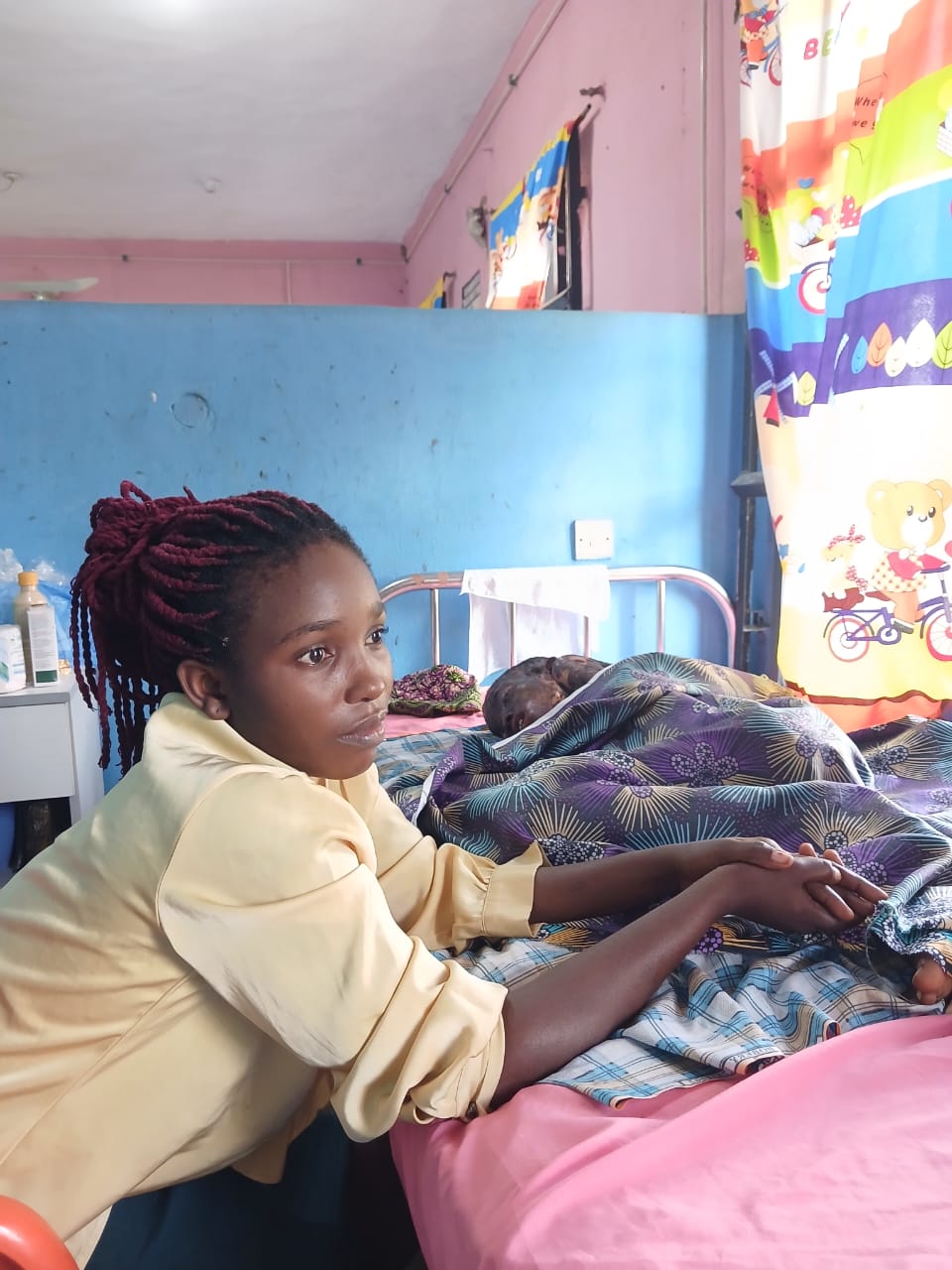
A Guardpost investigation has uncovered that operatives from the Economic and Financial Crimes Commission (EFCC) stormed the Uyo University Teaching Hospital (UUTH) in Akwa Ibom State on May 12, resulting in the deaths of at least 15 patients. Multiple hospital executives, who spoke anonymously, indicated that the actual death toll could be significantly higher. Due to the suspension of medical services by doctors and nurses during the chaos, many families were forced to remove bodies hastily to avoid incurring hospital fees.
Immediate Aftermath of the Invasion
On that fateful morning, the hospital was engulfed in fear as gunfire and tear gas created mayhem. Families frantically clung to critically ill patients while fleeing the emergency rooms and intensive care units. As the standoff escalated, the hospital’s power supply was cut, prompting union leaders to call for a complete halt to services. The disruption posed an immediate threat to patients reliant on life support and essential medical attention.
A Scene of Chaos and Violence
Within moments, healthcare professionals vanished from the treatment areas, abandoning their posts, while critical facilities such as laboratories and operating theaters fell silent. Many patients capable of mobility fled, leaving those unable to escape in dire circumstances. In response to the armed intruders, hospital staff locked down the administration building, only to face injury, humiliation, and arrests. The situation drew criticism, with Tija Bolton, executive director of the Office of Policy and Vigilance, labeling the operation as poorly conceived and largely unnecessary.
Violence Against Medical Staff
The incident took an alarming turn as a renowned cardiac surgeon and other senior medical staff were brutally assaulted. The aggression towards those attempting to document the events raises significant concerns about the disregard for both human life and the security of medical environments designed for healing. As operatives arrested six staff members, the hospital transitioned into a chaotic crime scene, the tragic implications of which may never be fully understood. Despite extensive research, the motive behind the invasion remains elusive.
Public Response and Media Silence
As the country moved on from this grim episode, public outrage rapidly cooled and media coverage waned. The EFCC’s response was a lackluster apology, perceived by many as insincere and inadequate given the trauma inflicted on patients and medical personnel alike. Videos circulating on social media capture the moment of terror, illustrating how the attack transformed what was a sanctuary of treatment into a scene of turmoil and disorder.
Witness Accounts and Continuing Fears
Families of patients recount the desperate rush of relatives evacuating their loved ones amid the chaos. Mrs. Inyene Samuel, whose son was receiving treatment, expressed her helplessness while witnessing the chaos unfold. Another family member, Lizzie David Lawson, voiced outrage over the EFCC’s methods, questioning how they expected patients in critical condition to survive the pandemonium. Many among the university staff are left grappling with haunting memories of the day that shattered their previously tranquil environment.
Medical Professionals Reflect on the Crisis
Those who witnessed the ordeal remain in shock, struggling to comprehend the series of events. While some reported seeing patients who succumbed after suffering complications during the disruption, the full scale of the tragedy is likely to remain undocumented. A staff member stated that the absence of medical personnel for over 48 hours greatly increased the risk of fatalities. The lack of immediate care and the overwhelming confusion were detrimental to patient survival.
Unanswered Questions Persist
Despite multiple attempts, communication with key hospital officials and the health commissioner yielded no response. As grief-stricken families began to leave the hospital with their deceased loved ones, questions about the number of patients affected and the ramifications of the EFCC’s actions remain unanswered. The fallout from this tragic event raises significant concerns over law enforcement’s intrusion into medical facilities, underscoring the need for further investigation into the ramifications of such actions on patient care.
