


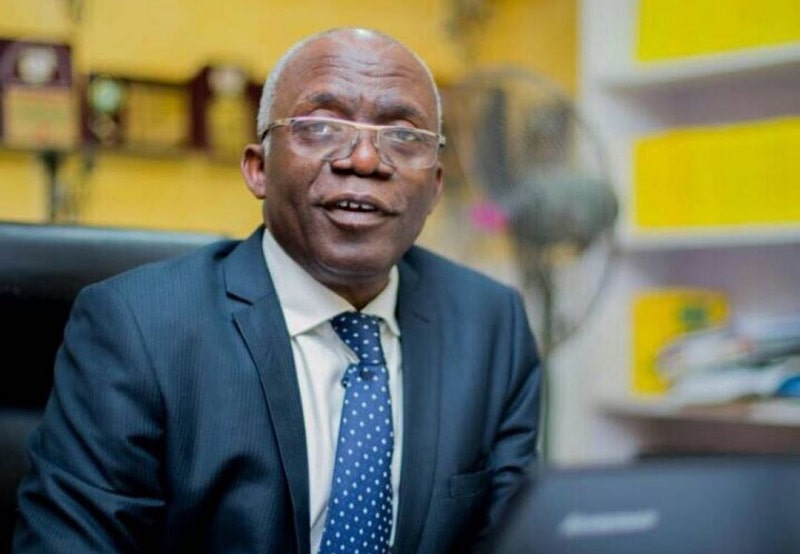
Military Rule Is Not the Solution, Says Femi Falana
Prominent human rights lawyer Femi Falana (SAN) emphasized that despite increasing public dissatisfaction with governance in Nigeria, military rule is not a viable alternative to democracy. He argued that the country has yet to achieve true democratic governance, instead operating within a framework of civil governance.
The True Meaning of Democracy
During his address on democracy, constitutional governance, and human rights at Amnesty International Nigeria’s Second Annual General Meeting (AGM) in Abuja, Falana urged Nigerians to differentiate between an elected civilian government and authentic democracy. He stressed that democratic governance should be evaluated based on the extent to which citizens experience justice, accountability, human rights, and social welfare.
Persisting Challenges in Governance
Addressing the audience via Zoom, Falana highlighted that although Nigeria has enjoyed 27 years of uninterrupted civilian governance, many constitutional promises remain unfulfilled for millions of Nigerians. He remarked, “No matter how dissatisfied the people may be, military government is not an improvement over democracy. We must acknowledge that our current system is primarily civilian and does not fully embody the democracy for which Nigerians fought and sacrificed.”
The Dangers of Longing for Military Rule
The rights advocate cautioned against a growing nostalgia for military rule, labeling such sentiments as dangerous and historically misguided. He pointed out that true democratic governance encompasses more than just conducting elections; it involves establishing robust institutions that honor citizens’ rights, uphold the rule of law, and ensure social and economic justice.
Addressing Constitutional Gaps
Falana expressed concern over the increasing disparity between constitutional guarantees and the lived realities of ordinary Nigerians, particularly regarding education, healthcare, security, and economic opportunities. He noted that many provisions aimed at enhancing citizen welfare remain unenforceable, leaving millions without adequate legal protections despite what the constitution promises.
Enhancing Public Accountability
He called for a renewed focus on human rights issues, urging the country to move beyond merely celebrating constitutional promises to implementing policies that genuinely enhance citizens’ lives. Advocates underscored the necessity for stronger institutions capable of holding public officials accountable and ensuring that government actions conform to democratic ideals.
The Role of Education in Democracy
On the topic of education, Falana acknowledged recent initiatives aimed at expanding access to learning opportunities, such as student support and school feeding programs. However, he argued that further efforts are necessary to ensure equal access to quality education, citing it as a critical tool for poverty reduction, social mobility, and democratic engagement.
The Importance of Active Participation
Falana stressed the need for increased public involvement in governance, asserting that democracy thrives on active citizen participation rather than passive observation. He highlighted the crucial roles of civil society organizations, the media, professional bodies, and community leaders in upholding democratic principles and holding those in authority accountable.
Challenges in Governance and Institutional Development
While Falana acknowledged some advancements in governance and institutional reform, he noted that significant challenges remain, including human rights violations, ineffective law enforcement, and growing public distrust in government institutions. He called for a national effort to convert constitutional ideals into reality through effective leadership, institutional reforms, and policies centered on the welfare of the populace.
Measuring Nigeria’s Democratic Progress
Advocates also warned that Nigeria’s democratic journey should not be assessed merely by the duration of civilian rule but by the extent to which its citizens enjoy freedom, justice, and equal opportunity. Falana cautioned that public trust in institutions may continue to decline unless democratic frameworks begin delivering tangible benefits to the citizenry.
A Year of Milestones
In his opening remarks, Awwal Musa Rafsanjani, Chairman of Amnesty International Nigeria, reflected on the past year’s significant actions and milestones. He noted, “Our investigation into the Tiger Base Anti-Kidnapping Police Force in Owerri, Imo State, is one of our most impactful interventions.” He revealed alarming findings, including numerous human rights violations, arbitrary detentions, and at least 200 recorded deaths and disappearances between 2021 and 2025.
