


Nigeria Confronts Challenges in Digital Sovereignty
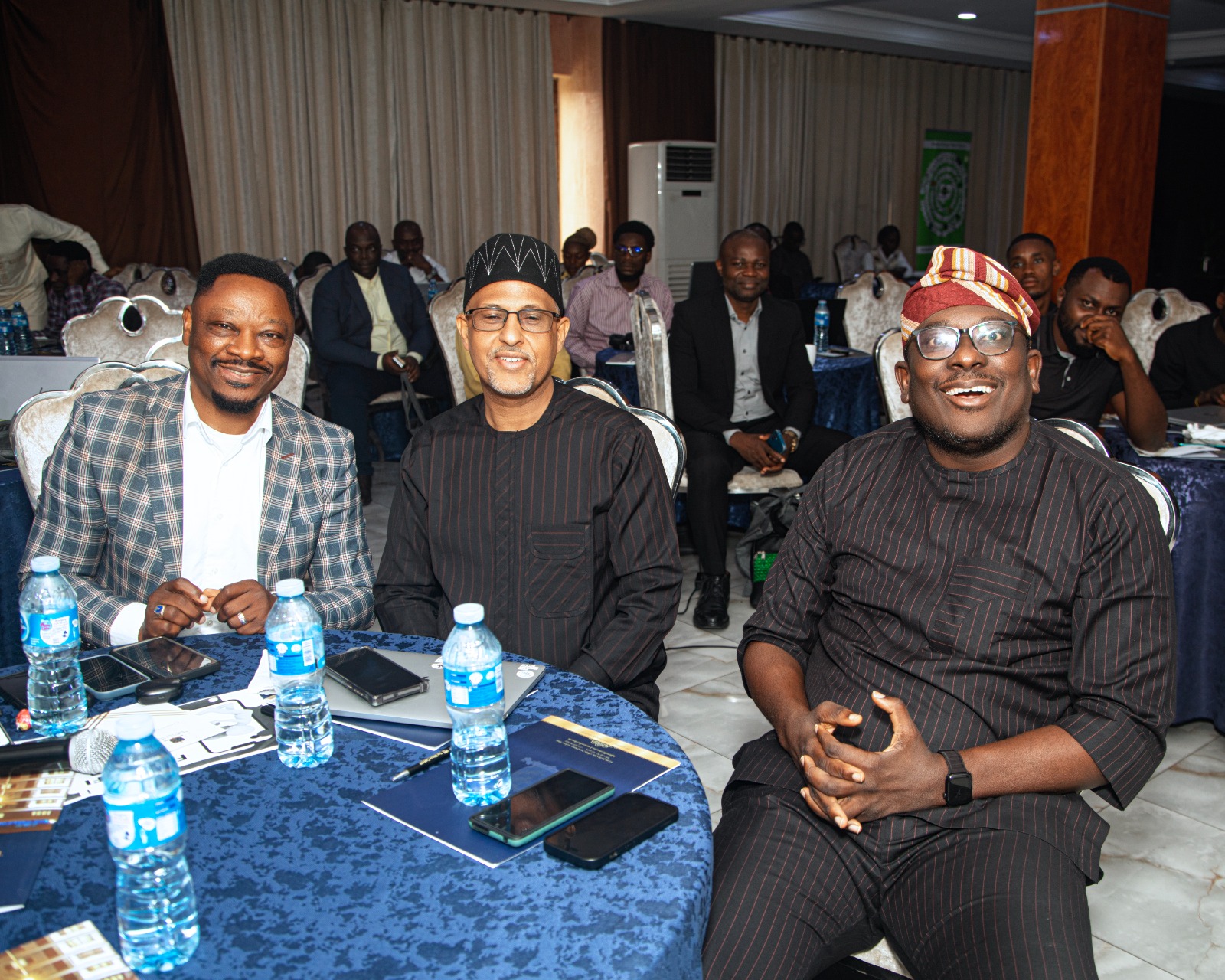
Nigeria’s aspirations to lead Africa’s digital economy encounter significant challenges, particularly with approximately 80% of websites utilizing the country’s .ng domains being hosted abroad. This alarming statistic was unveiled during the BGP Peering Workshop 2026, organized by the Internet Exchange Point of Nigeria (IXPN) and TeleAfrica Communications Limited in Abuja.
Risks of Foreign Hosting Dependence
Experts at the workshop emphasized that Nigeria’s reliance on foreign hosting infrastructure poses substantial risks to its digital sovereignty, economic development, and cybersecurity. Data shared at the event indicated that Nigeria hosts just 22% of the top 1,000 most visited websites within its borders, well below the African average of 34%. This disparity underscores the nation’s ongoing reliance on overseas data centers, despite being one of Africa’s largest digital markets.
Call for Local Hosting Solutions
During the discussions, IXPN’s Managing Director, Muhammed Radman, described the current hosting landscape as a critical challenge that must be addressed to fully leverage the opportunities within the burgeoning digital economy. He emphasized the importance of hosting local traffic domestically to enhance network performance, reduce costs, bolster security, and nurture the local tech ecosystem.
Benefits of Local Internet Traffic Management
Radman noted that local hosting yields various benefits, including reduced latency, lower operational costs for businesses, and an improved overall user experience. Crucially, he insisted that keeping vital national data within Nigeria ensures that it remains under local control, rather than being processed in foreign jurisdictions.
Structural Weaknesses in Internet Infrastructure
The workshop also shed light on significant weaknesses within Nigeria’s internet infrastructure. A particularly concerning finding revealed that 15 states currently lack any independent networks, severely limiting reliable connectivity and impeding efforts toward digital inclusion. Additionally, Nigeria boasts only one autonomous system number (ASN) per million people, a stark contrast to countries like South Africa and Brazil, which have 13 and 43 ASNs per million, respectively.
Plans for Digital Infrastructure Expansion
To bridge these gaps, Radman outlined initiatives aimed at expanding digital infrastructure in underserved areas. This includes deploying advanced equipment capable of supporting multi-terabit traffic through 400G ports and attracting both global and regional content providers to host more services within Nigeria. He reiterated the vision to solidify Nigeria’s position as Africa’s leading digital powerhouse.
The Need for Robust Interconnected Infrastructure
TeleAfrica Communications Chairman, Ikechukwu Nnamani, also addressed the workshop, accentuating the necessity for strong interconnected infrastructure in fostering a resilient digital economy. He highlighted the strategic significance of TeleAfrica’s ABV1 data center in Abuja, which connects telecommunications traffic between northern and southern Nigeria, thereby ensuring a more balanced distribution of digital services across the nation.
Importance of Financial Settlement in Connectivity
Nnamani further elaborated on how TeleAfrica’s clearinghouse model addresses long-standing issues within Nigeria’s telecommunications sector by facilitating transparent financial settlements and coordination of interconnected traffic. He noted, unlike other operators that focus solely on relaying calls, TeleAfrica’s method provides comprehensive financial resolution and ensures timely processing of interconnection charges.
Fostering Local Expertise in Internet Infrastructure
The workshop culminated on its second day with technical training for network engineers and operators on the Border Gateway Protocol (BGP), which is essential for directing Internet traffic across global networks. Participants gained invaluable insights into autonomous systems, routing policies, traffic engineering, and network optimization, all aimed at enhancing Internet performance and resilience. A participant, Chukwudi Philip, an IT specialist representing IMBIL Telecom Solutions, emphasized how the training deepened understanding of routing policies and their crucial role in establishing stable and scalable network connectivity.
As Nigeria accelerates the growth of its digital economy, experts at the workshop concurred that reducing dependency on foreign hosting solutions is vital to unlocking increased economic value, enhancing national security, and positioning Nigeria as a preeminent technology hub in Africa.
