


Reflections on the Impact of Federal Immigration Raids in East Los Angeles
A year has passed since armed federal immigration agents made their presence known in East Los Angeles, an event that has left a profound mark on the community. For many, like Brian Gavidia, life appears to have returned to normal, yet the shadows of that fateful day linger. This week, as family members gathered for a post-graduation celebration at Torta Ahogada Restaurant, the bustling streets, filled with vendors peddling fruit and flowers, seemed to embody a sense of resilience. Still, Gavidia feels a palpable difference, saying, “When I hear the music and see those little girls playing, it makes me happy, but it’s not the same.”
Last Summer’s Raids Scar the Community
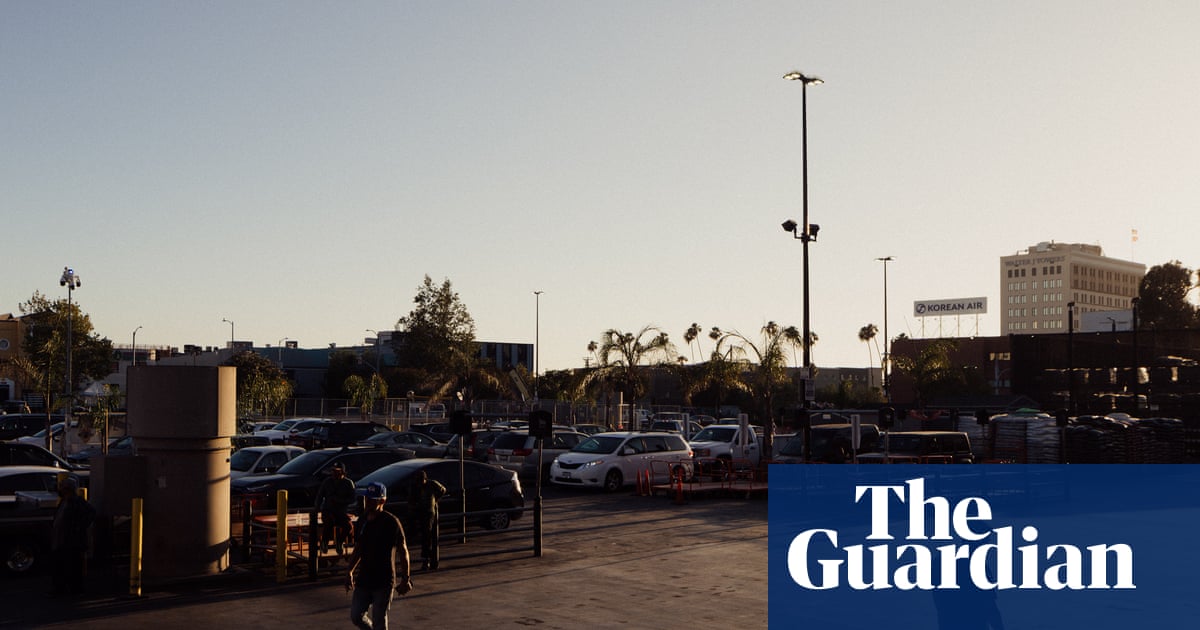
The echoes of last summer’s raids still resonate with Gavidia and his neighbors. He vividly recalls the traumatic moment when immigration officials confronted him at work, doubting his U.S. citizenship. Even now, the sight of a white van with tinted windows provokes anxiety. The summer’s events led to a surge of ICE and Border Patrol agents in Los Angeles, provoking protests from local residents, as the community mourned the loss of migrants caught in the chaos. As lawyers scrambled to secure the release of those detained, mutual aid networks emerged to support individuals fearful of leaving their homes.
A Turning Point for Immigration Policy
The raids marked a significant shift in the Trump administration’s immigration policies. Operatives swept through Los Angeles, targeting workers at car washes and clothing warehouses, with their aggressive tactics eventually extending to major cities like Chicago and Portland. A year later, Los Angeles finds itself grappling with persistent anxiety and unresolved trauma, as many residents have faced lasting changes in their daily lives.
Personal Stories of Resilience
For individuals like Lorena, returning to her tamale stand in Koreatown was an act of defiance after a prolonged period of confinement due to neighborhood arrests. Similarly, Yulien is haunted by the sight of her father being forcibly taken away by investigators. Meanwhile, Noemi has received daily calls from her husband, who was deported to Mexico, a stark reminder of how their lives have been irrevocably altered.
Economic Challenges in the Fabric District
Elizabeth Brennan, of the Warehouse Worker Resource Center, remarks that while Angelenos have adapted, the scars are evident as many grapple with uncertainty. “It seems like teeth are missing everywhere,” she states. A year ago, Gavidia himself was working in his neighborhood when federal agents disrupted his life, igniting a class-action lawsuit against ICE’s racial profiling practices. The aftermath was significant: he closed his used car business and ventured into the job market for the first time in years, feeling a deep sense of loss.
Ongoing Detentions and Legal Struggles
The immigration landscape in Los Angeles has changed, as described by legal experts like Melissa Shepard from ImmDef. Although visible raids have decreased, detentions persist. Immigrants often remain vulnerable during routine immigration appointments, with some reporting aggressive tactics used to apprehend individuals. The number of detainees in local immigration facilities has reached alarming levels, doubling in the wake of last summer’s raids. Reports of poor conditions at detention centers continue to rise, compelling many detainees to forfeit their rights for the sake of getting out.
Community Response and the Fight for Justice
As challenges mount, community organizations scramble to support those affected. Jennifer Gutierrez from the Clergy and Laity Coalition for Economic Justice highlights the financial burden placed on detainees seeking bail, as amounts demanded by judges have skyrocketed. Activists and advocates have rallied to testify at public forums, voicing their concerns regarding the climate of fear that has permeated neighborhoods. Gavidia himself remains hopeful, expressing faith in America’s potential for justice and revealing plans to restart his used car business.
