


U.S. to Lift Naval Blockade as Peace Agreement Reached
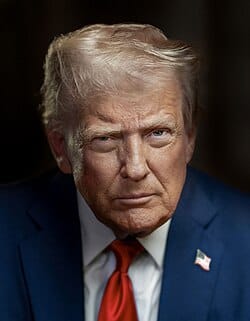
The United States and Iran have reached a significant agreement to end a 107-day military conflict, signaling a permanent ceasefire and plans for a formal peace treaty brokered by Pakistan. President Donald Trump announced the immediate termination of the U.S. naval blockade, allowing for the reopening of the Strait of Hormuz, a vital corridor for global energy transport. This decision aims to stabilize energy markets that have been disrupted by the prolonged conflict.
Global Economic Relief Expected from Maritime Reopening
The reopening of the Strait of Hormuz is anticipated to provide essential relief to the global economy, which has felt the strain of the conflict for months. While specifics of the finalized agreement are still under wraps and further negotiations regarding Iran’s nuclear program are anticipated, Pakistan’s mediation confirms the deal will be officially signed in Switzerland on Friday.
Immediate Authorization of Oil Flow
In a statement on Truth Social, President Trump expressed his full authorization for the Strait’s reopening, coupled with lifting the U.S. blockade. The United States previously flagged a readiness to ease sanctions, allowing Iran to enhance its oil exports and stabilize its economy, which has suffered greatly due to wartime disruptions.
Iran Stages Awaiting Formal Implementation
Iran’s Deputy Foreign Minister, Kazem Ghalibabadi, verified the agreement on state television, noting that Iran would not initiate any measures until the official signing on Friday. This follow-up came after exhaustive discussions in Tehran involving a Qatari mediator, which spanned over 14 hours.
Pakistan’s Role in Diplomacy Following Military Escalation
The peace deal was announced shortly after Israel’s military actions in Lebanon escalated, jeopardizing negotiations. Pakistani Prime Minister Shehbaz Sharif confirmed that both sides established an immediate and lasting cessation of hostilities, including operations in Lebanon. He indicated that mediators would convene a meeting this week to prepare for essential technical discussions. However, more complex issues such as Iran’s nuclear ambitions are expected to be deliberated further over the next two months, with the possibility of extending timelines should negotiations falter.
Assessment of Ongoing Geopolitical Tensions
While the new agreement may restore a semblance of pre-war conditions, the conflict has inflicted heavy casualties and empowered Iran strategically. The Strait of Hormuz is crucial for transporting oil, natural gas, and other commodities, and its near shutdown has unnerved global markets. Iran retains numerous capabilities, including a missile program and stockpiles of enriched uranium. These factors continue to color the geopolitical landscape following the U.S. and Israel’s military endeavors that commenced in February.
Oil Prices React to Conflict Resolutions
In response to the announcement of a potential agreement, oil prices dropped significantly, with Brent crude falling by 3.9% to approximately $84 per barrel and U.S. crude down by 4.8% to around $81 per barrel. Should prices stabilize at this level, it would mark the lowest point since early March, just after the conflict began. Experts predict that while this deal framework could help lower prices, substantial challenges remain in restoring oil flows, including clearing maritime hazards and resuming production in the Middle East.
