


Many Maryland residents contribute significantly to their communities and the broader U.S. economy by working, paying taxes, and educating their children in local schools. However, they now face an uncertain future as the Trump administration moves to revoke Temporary Protected Status (TPS) from several countries, leaving them in limbo pending crucial court decisions.
On April 29, the Supreme Court heard arguments in the case of Trump v. Miot, which focuses on TPS for Haitian and Syrian nationals. Concurrently, the case African Communities Together v. Markwayne Mullin addresses the status of Somali immigrants under TPS. This spring, Maryland Attorney General Brian Frosh joined 15 other state attorneys general in defending TPS for Somali immigrants.
Urgent reforms are needed to strengthen the TPS program by establishing clearer guidelines for designating at-risk countries and creating pathways for extended stay. Absent these reforms, the looming threat of statelessness and deportation will continue to disrupt Maryland’s communities and exacerbate the instability of immigration enforcement.
The TPS program was created to protect individuals already residing in the United States from deportation when their home countries are deemed unsafe by the Department of Homeland Security (DHS). However, the criteria for determining the safety of countries are often unclear and subjective, thus putting the lives of many individuals at the mercy of the DHS Secretary.
Maryland currently has over 33,000 TPS holders, ranking tenth nationally. These individuals primarily hail from El Salvador, Venezuela, Syria, Haiti, and Somalia, and are deeply integrated into Maryland’s labor force, especially in Prince George’s and Montgomery counties. They work in vital sectors such as healthcare, hospitality, construction, transportation, and public services.
Research indicates that more than 17,000 children born in Maryland have parents with TPS status. Revoking this status would significantly disrupt the everyday lives of Maryland residents and their families.
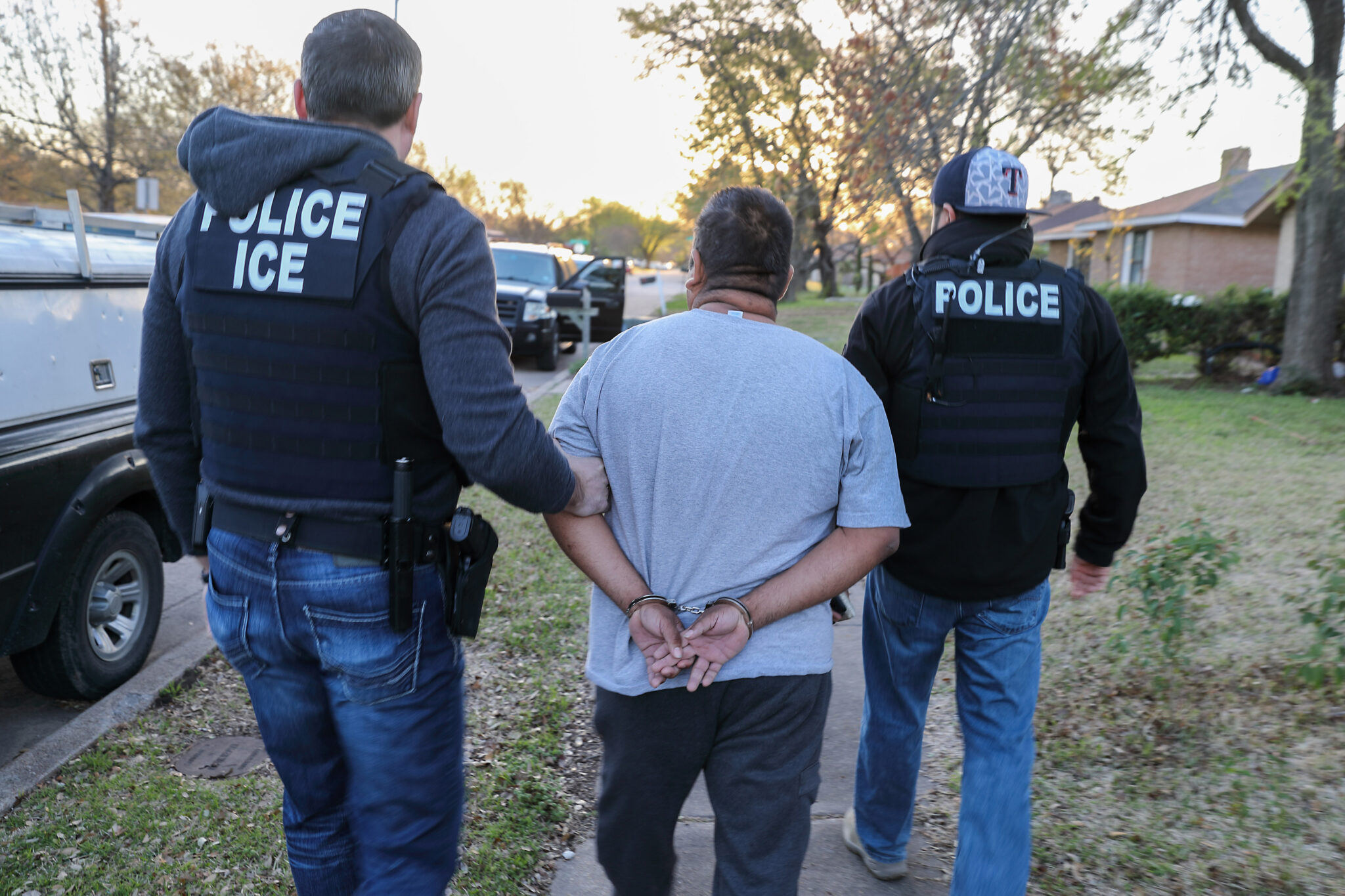
These concerns are underscored by recent actions from the administration. TPS for Haitian nationals was initially set to expire on February 3 but was halted by a local court decision the day before. The planned immigration enforcement operations that coincided with this deadline caused heightened anxiety among the local Haitian community, raising ethical questions about the motivations behind these policies.
The legitimacy of the TPS program is further called into question as countries such as Yemen join the list of those facing TPS cancellations, alongside Haiti, Venezuela, Syria, and Somalia. Despite the removal of numerous immigration judges, local courts continue to recognize the persistent instability and violence in these nations. The practice of forcibly deporting individuals to dangerous regions violates the principles of humanitarian support and solidarity.
The weaknesses in the TPS program, as highlighted by the Trump administration, reflect its vulnerability to changing political climates. This policy has often been manipulated by different administrations to fluctuate immigration numbers based on economic or political motives without fully considering the human costs involved.
TPS holders actively participate in the labor market at higher rates than U.S. citizens, significantly benefiting the economy. However, losing TPS status comes with the risk of losing health care access, especially as proposals to extend health services to undocumented immigrants in Maryland have been postponed until at least 2028.
It is imperative for Congress to establish a clear pathway to long-term residency for TPS holders alongside definitive criteria for designation and revocation. Such actions would not only mitigate the unpredictable nature of current immigration policy but also foster economic and social stability for the communities that support these individuals.
Stripping individuals of their rights to live, work, and invest in their communities is an injustice. The human costs associated with this uncertainty are unacceptably high and challenge the fundamental principles of life and dignity.
