


Kenyan Farmers Adopt Solar Refrigeration to Combat Food Waste
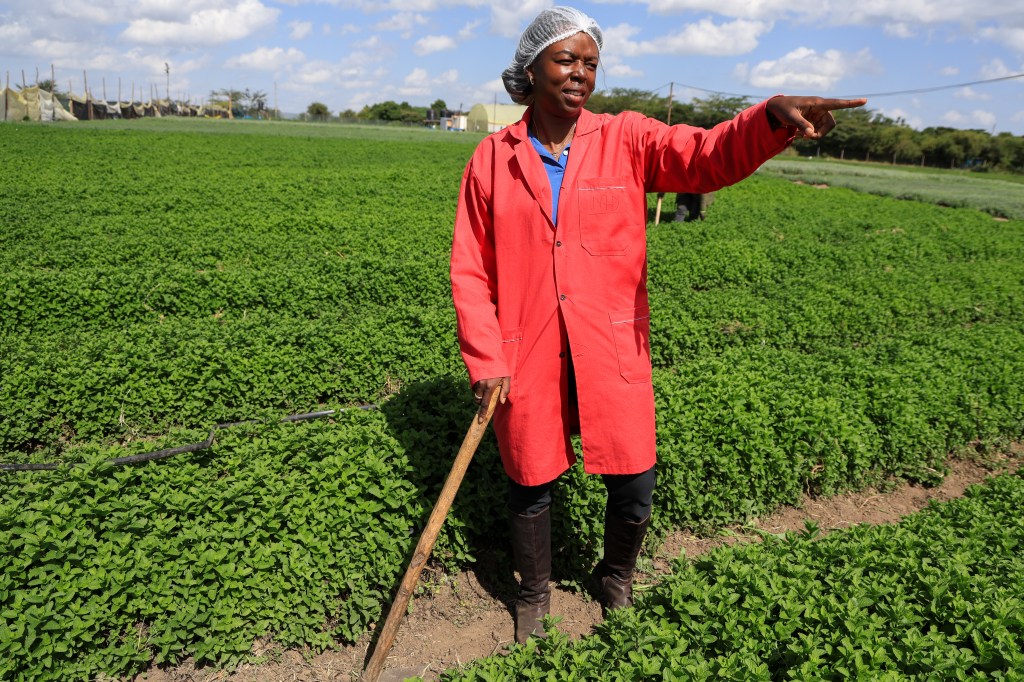
In the early hours of the day, Kenyan farmer Yvonne Anyoni Mumia tends to her fields of rosemary, basil, and other crops destined for European markets. Historically, she faced challenges with transportation delays and extreme temperatures that jeopardized her harvests. However, with the implementation of solar-powered refrigeration from SoKo Fresh, she can now keep her produce fresh, alleviating her previous concerns.
The innovative pay-as-you-go model offered by SoKo Fresh charges farmers based on the weight of the produce stored. This initiative is part of a burgeoning trend in Africa aimed at combating food spoilage through solar-powered cold storage solutions, a critical factor in agricultural sustainability.
According to the Food and Agriculture Organization of the United Nations, nearly 40% of food produced in Africa is lost between the point of harvest and its market destination. This staggering loss stems from insufficient storage, transportation, and processing infrastructure throughout the continent.
Advancements in Solar-Powered Cold Storage
Solar-powered, off-grid cold rooms and cooling hubs offer farmers and traders a sustainable method for storing perishables without the need for costly and unreliable electricity grids. This practice is gaining traction in countries including Kenya, Nigeria, Ethiopia, Rwanda, and South Africa.
Mumia noted that the most pressing issue she faced was maintaining product quality after harvest. For many small farmers, the initial investment—approximately $30,000—for a solar-powered cold storage warehouse was prohibitive. “You can successfully grow your crops, but without proper storage, both production and income can suffer,” she explained. Cold storage provides the flexibility to wait until the right moment to sell produce, thus preserving its quality.
As climate change induces higher temperatures and intermittent supply chain disruptions, the significance of cooling technology becomes even more apparent in agricultural practices across Africa.
Unique Challenges for African Farmers
In contrast to countries like India, China, Japan, the Netherlands, and the United States, where sophisticated cold-chain systems ensure fresh produce reaches markets efficiently, African farmers often lack adequate cooling facilities. This inadequacy forces many to sell their harvests immediately after picking, resulting in substantial financial losses.
This challenge is magnified by rising temperatures that accelerate spoilage in vegetables, fruits, dairy, and seafood. Additionally, unreliable electricity supplies make conventional refrigeration costly or even unviable in numerous rural areas. “Cold storage is one of the critical gaps in the agricultural value chain in Africa,” stated Emmanuel Ajibor, Africa regional director at CLASP, a nonprofit committed to promoting energy-efficient technologies.
Enhancing Supply Chain Efficiency with Solar Energy
Soko Fresh has reported remarkable improvements, reducing spoilage rates for its clients from as high as 50% to under 2%, while enabling farmers to boost their income per kilogram by up to 50%. In Nigeria, enterprises like ColdHubs have launched solar-powered walk-in cold rooms in major agricultural markets, allowing farmers and traders to rent cold storage space without hefty investments. Meanwhile, Rwanda has adopted solar refrigeration to assist dairy cooperatives, and Ethiopia is increasing its investment in cold chain initiatives to bolster horticultural exports.
This trend of innovation is crucial as African nations strive to fortify food security while simultaneously minimizing greenhouse gas emissions. Traditional refrigeration systems, frequently powered by diesel generators, fall short in many unstable power regions. In contrast, solar alternatives not only lower fuel consumption and operational costs but also reduce emissions. Nonetheless, experts emphasize that the economic advantages of solar-powered storage may surpass environmental benefits. The expansion of electricity access in Africa has concentrated on providing general access without fostering opportunities to develop income-generating uses.
Beyond Cold Storage Solutions
Across the continent, solar-powered irrigation systems are enabling continuous farming throughout the year. Additionally, solar flour mills and processing equipment facilitate the local enhancement of agricultural products. However, securing adequate funding for these initiatives remains a significant hurdle.
“The current challenge is no longer proving the functionality of these systems,” stated Carol Koech, vice president for Africa at the Global Energy Alliance for People and Planet. “We are focused on constructing well-financed projects capable of attracting larger investments and scaling internationally.”
Initial costs can be mitigated through grants, low-interest loans, and donor support. Yet, attracting commercial investments remains difficult due to the fragmented nature of many agricultural markets, often dominated by small-scale producers. “Investors perceive emerging technologies as risky, as established business models that deliver dependable returns are still in short supply,” remarked SoKo Fresh CEO Dennis Kalema.
The Associated Press is solely responsible for its content despite receiving funding for climate and environmental reporting from multiple private foundations.
