


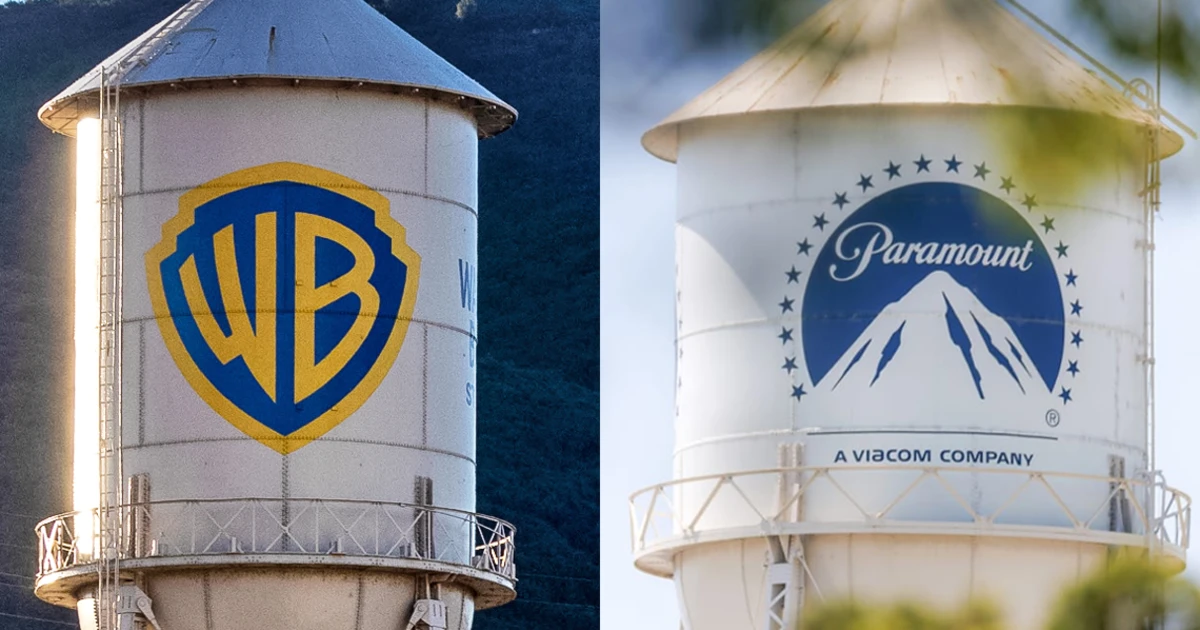
Paramount’s Pursuit of Warner Bros. Discovery Gains Traction Amid Legal Scrutiny
David Ellison, CEO of Paramount’s Skydance, is making significant strides towards acquiring rival studio Warner Bros. Discovery, following the Justice Department’s approval of an $110 billion deal. Paramount has pledged to expedite the completion of the merger as quickly as possible.
However, top law enforcement officials in California emphasize that the regulatory process is far from complete. “The Warner Bros.-Paramount merger is not a finalized agreement and remains under investigation by my office,” stated California Attorney General Rob Bonta on Friday.
Industry attention is now focused on Bonta and other state attorneys general, who may seek to block the merger based on state and federal antitrust laws. New York Attorney General Letitia James is also investigating the agreement, with other states likely to join the challenge, according to representatives.
Scott Wagner, co-head of the antitrust practice at Bilgin Samberg, noted that California and New York have a strong legal path available to them. “The most direct recourse is an antitrust lawsuit aiming to block the transaction,” he explained. “State attorneys general possess independent authority to contest mergers even when federal regulators do not.”
Representatives for both Bonta and James declined to comment on the status of potential legal actions. However, the implications of this merger are significant, as it would consolidate two storied film studios, alongside popular streaming platforms and a broad range of broadcast and cable assets under Ellison, a media executive with strong familial ties to the tech industry.
The merger also marks the union of two major news organizations, CBS News and CNN, amid increased scrutiny of Ellison’s ambitions to reshape CBS’s news operations. Concerns have been voiced throughout Hollywood that this consolidation could lead to fewer opportunities for content creators, heightened costs for consumers, and potential job losses, as reflected in an open letter signed by over 5,500 industry professionals.
In their letter, prominent figures such as J.J. Abrams, Bryan Cranston, and Ben Stiller expressed their support for Bonta and his peers as they explore the legality of the merger. They emphasized the importance of maintaining competition and protecting jobs within the entertainment industry.
The Justice Department’s antitrust division previously issued a lengthy statement, asserting the transaction is not likely to harm competition or U.S. consumers. In response, Paramount highlighted the merger’s potential benefits while Ellison reassured the creative community of a commitment to producing 30 films annually for theater releases.
In anticipation of possible legal challenges, Paramount has enlisted Jeffrey Kessler, a leading litigator in sports labor law, who asserted in a recent interview that he does not foresee any significant antitrust violations stemming from the merger. He underscored the necessity of such a merger to enhance competition among streaming services and improve the traditional network television model.
Wagner elaborated that California’s attorney general holds various tools beyond litigation, such as initiating extensive information requests or assessing legal nuances, which could delay the merger’s finalization. These measures, while not substitutes for successful antitrust claims, can exert significant pressure on the involved parties.
Bonta, a Democrat facing re-election this November, previously expressed concerns about lax federal antitrust enforcement, claiming that state attorneys general are stepping in to assert regulatory rigor. His office has already celebrated a legal victory against Live Nation for monopolistic practices, showcasing the states’ readiness to challenge substantial corporate mergers.
The merger is also under examination from international regulators, with the European Union reviewing potential financial backing for the deal by three Middle Eastern sovereign wealth funds. Furthermore, British antitrust authorities have initiated their own investigation into the transaction.
Paramount executives are motivated to finalize the agreement rapidly, especially as the company has committed to paying Warner shareholders a quarterly “ticking fee” of 25 cents per share if the merger is not completed by September 30. With potential penalties surpassing $600 million each quarter, the urgency to close the deal is palpable.
