


Nuclear Power Discussions in Nigeria Continue, Says IAEA Head
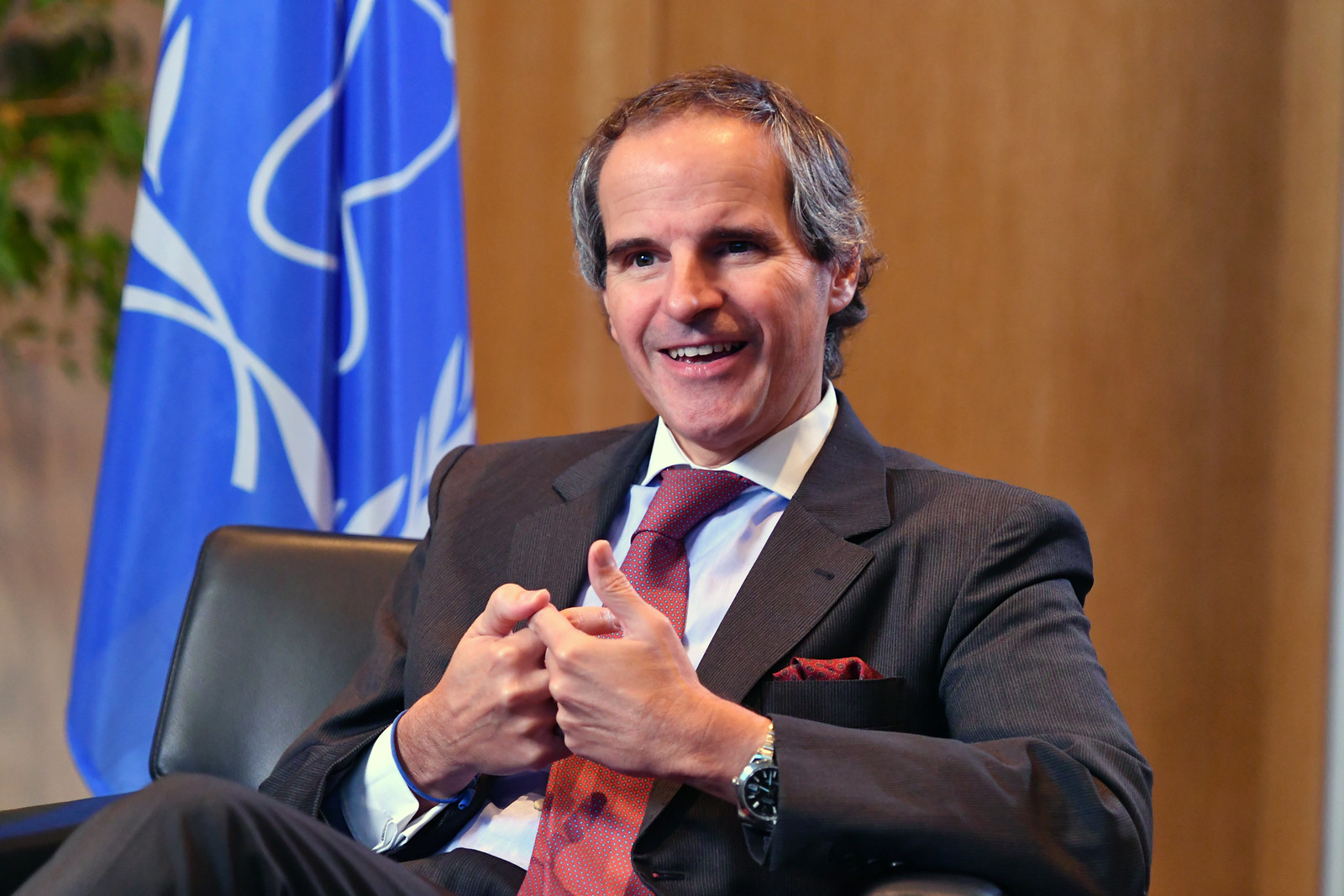
Rafael Grossi, Director-General of the International Atomic Energy Agency (IAEA), has confirmed that discussions surrounding Nigeria’s nuclear power program remain active. During a recent engagement in Vienna, Austria, Grossi outlined the ongoing technical dialogues with key stakeholders in Nigeria, reinforcing the cooperative efforts aimed at advancing the country’s nuclear energy initiative.
In a conversation with Premium Times, Grossi provided insights into the status of the nuclear power agreement with Nigeria. The IAEA has been consistently collaborating with Nigerian authorities to facilitate the successful implementation of nuclear energy solutions. Recent visits by IAEA officials have featured technical meetings with relevant stakeholders, reflecting a commitment to realizing this vital energy goal.
During his visit to Nigeria in May 2024 for a seminar on promoting cancer awareness, Grossi met with high-ranking government officials, including Secretary of the Federation George Akume. He expressed optimism regarding the government’s willingness to bolster Nigeria’s nuclear power aspirations, emphasizing that this venture aligns with the country’s substantial size and significance on the global stage.
Ongoing Cooperation Between IAEA and Nigeria
Addressing inquiries about the continuity of discussions since his previous visit two years ago, Grossi assured that the IAEA’s collaboration with Nigeria has not faltered. “We have continued our cooperation with Nigeria,” he stated, noting that technical engagements and visits have persisted, underscoring the ongoing commitment to exploring nuclear energy options.
Despite this progress, Grossi noted that no definitive decision has been reached regarding the nuclear plan. He pointed out that Nigeria’s status as a major oil producer influences the context of energy discussions, making its situation distinct from that of other nations. “There is a pre-decision to explore alternatives,” he remarked, highlighting the uniqueness of Nigeria’s energy landscape.
Diversification of Energy Options
The IAEA Director-General further elaborated that the conversations regarding Nigeria’s energy future are now much broader. While nuclear power has the potential to add variety and stability to the energy grid, Grossi recognized that these discussions might represent diversification rather than an urgent necessity. “The conversation is still very much alive,” he affirmed, reflecting an ongoing commitment to expand Nigeria’s energy portfolio.
Nigeria’s nuclear power initiative operates under the comprehensive guidance of the IAEA, adhering to global safety standards and protocols. Managed by the Nigeria Atomic Energy Commission (NAEC), the program is progressing through preliminary infrastructure development and strategic planning phases, laying the groundwork for a sustainable energy future.
Framework for Future Nuclear Collaboration
In a significant move, Nigeria signed the Country Planning Framework (CPF) for 2024-2029 at the General Assembly in early September 2023. This framework serves as a vital reference for medium-term technical cooperation between IAEA member states, pinpointing priority areas where nuclear technology transfer and technical resources can be focused in support of national development goals.
Nigeria’s longstanding membership in the IAEA, dating back to 1957, has facilitated the establishment of the fourth CPF, which outlines five priority areas, including nuclear safety, food and agriculture, health and nutrition, water and environmental issues, and energy planning and development. This strategic approach aims to enhance Nigeria’s energy resilience and overall infrastructure, solidifying its position as a leader in nuclear energy development in the region.
