


The Surging Spirit of Iranian Fans at the 2026 World Cup Opener
In a thrilling moment during the 63rd minute of Monday’s World Cup opener, Iranian midfielder Mohammad Mohebi met Ramin Rezean’s spectacular cross with a perfectly curled header into the far post. This stunning goal not only secured a decisive strike in the 2-2 draw against New Zealand but also left an electrifying 70,108 spectators at SoFi Stadium in awe.
Avenue for celebration extended beyond the stadium as Iranian fans gathered at Meimuni Café, situated just over nine miles from the match venue in Westwood, Los Angeles. The café buzzed with excitement as fans celebrated Iran’s first game of the tournament, expressing their joy through cheers, songs, and the emotional rollercoaster inherent to World Cup viewing.
Los Angeles is home to the largest Iranian community outside Iran, earning the region the affectionate nickname “Tehrangeles.” The local Iranian-American population finds themselves in a complex situation due to the geopolitical tensions surrounding their national team. With the United States and Israel engaged in conflict with Iran since February 28, their participation in the World Cup became a matter of uncertainty. Nevertheless, the match day brought a sense of relief and unity to the local community.
A Hub for Unity Amidst Turmoil
“Persians are an integral part of Los Angeles society,” remarked Meimuni Café founder Shaheen Ferdowsi. “I can hardly imagine what LA would be without them.” This sense of pride resonated throughout the café, where Iranian-Americans from across the nation came together to celebrate their shared heritage.
Meimuni Café, famed for its lavashak (Persian fruit skin) smoothies, accommodated fans with reserved seating and walk-in tickets for around 75 patrons. Ferdowsi, accustomed to hosting spirited gatherings, plans to create the same atmosphere for each of Iran’s World Cup matches, including a themed event for Father’s Day dubbed “BYOB – Bring Your Own Baba.”
Ferdowsi articulated his vision of the café as a unifying symbol for the Iranian community. Given the year’s challenges and the emotional weight of current events, he believes that Meimuni Café has become a pivotal gathering point for passionate fans.
Facing Unprecedented Challenges
For the first time in history, Iran is competing in a World Cup hosted by nations embroiled in conflict. This unprecedented circumstance has manifested unique challenges for the team. Although they requested to relocate three group games from the U.S. to other countries, the request was declined. The team’s base camp also shifted from Arizona to Tijuana, Mexico, just weeks before the tournament commenced. Following the match against New Zealand, they were hastily transported back to Tijuana, complicating their travel plans significantly.
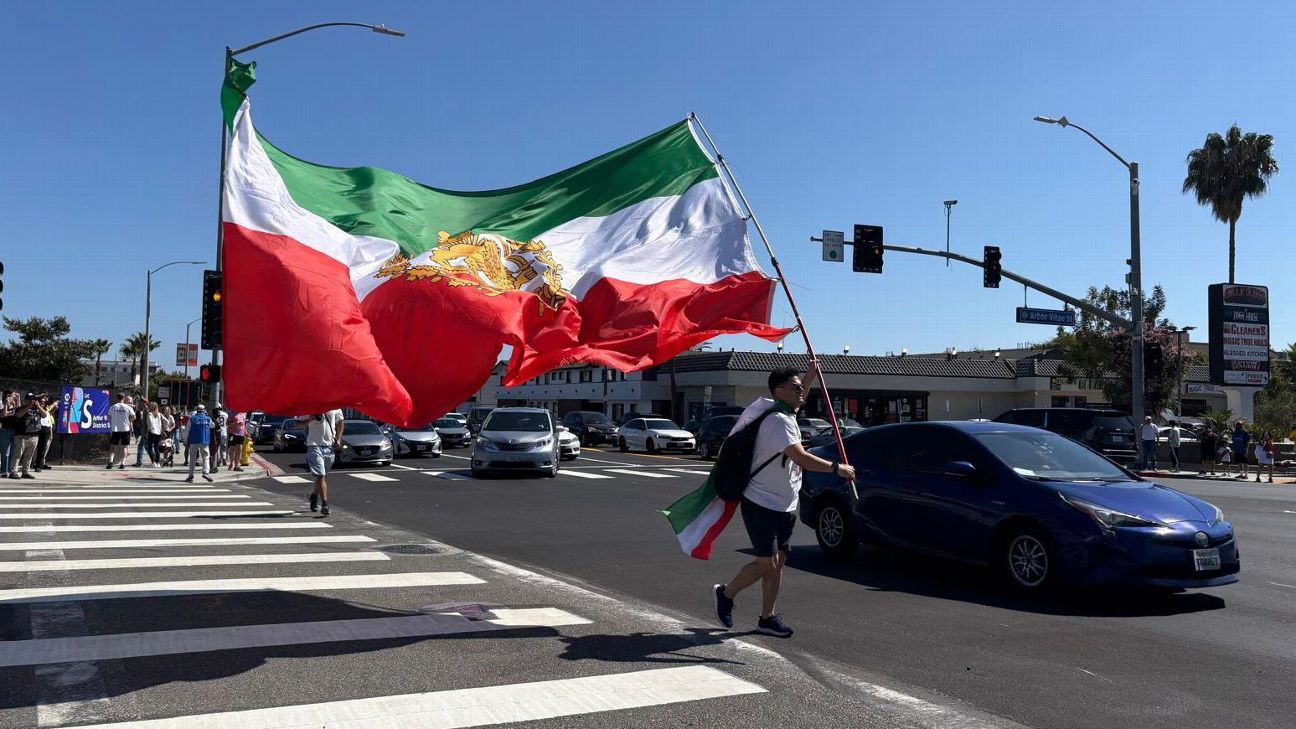
The atmosphere outside the stadium featured hundreds of Iranian-Americans protesting against the Iranian government, adding a layer of complexity to the experience. Fans were divided in their responses during the national anthem, some expressing support for the team while others voiced their dissent. Inside the stadium, attendees defiantly displayed the Iranian flag, which predates the 1979 Islamic Revolution, despite FIFA’s attempts to prohibit it. However, once the match commenced, the focus shifted to rallying support for Team Melli.
A Community’s Resilience
After the match, Iranian striker Mehdi Taremi emphasized the electric atmosphere that characterized the game, stating it felt like home. This sentiment resonated with fans at local viewing parties, such as at Meimuni Café, where camaraderie and solidarity reigned supreme amid the layered complexities of their homeland’s situation. Benjamin Dabiri, who immigrated to the U.S. from Tehran, felt a deep connection with the players, describing them as family.
The prevailing sentiment among spectators was one of unity and pride. As halftime approached, nearly all standing-room spots were filled. The opportunity to cheer for Iran in the city they call home was something the Iranian-American community couldn’t resist.
Pourya Banai, who moved to Los Angeles from Iran at nine, expressed the surreal nature of supporting their team in such close proximity. His friend Nima Malek noted that while they’d wished for a different backdrop for Iran’s participation, the unique circumstances might amplify the team’s motivation.
Looking Ahead to Future Matches
With upcoming group matches against Belgium and Egypt slated for June 21 and 27, the energy and support within the Iranian-American community remain strong. Fans are excited about the opportunity to further unite under Team Melli, with local cafés like Meimuni Café continuing to serve as pivotal gathering spots. Ferdowsi hopes that these matches will continue to foster a sense of unity, allowing his café to play a role in bringing people together through their beloved national team.
