


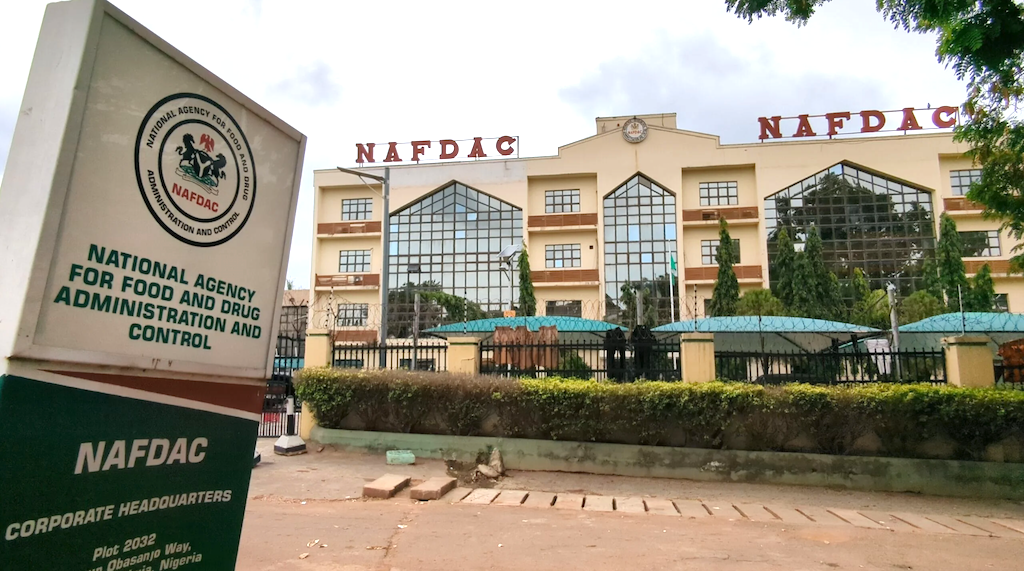
NAFDAC Reports Over Half of Counterfeit Products Are Cosmetics and Food
The National Food and Drug Administration and Control (NAFDAC) has revealed that more than 50% of counterfeit products circulating in Nigeria are cosmetics, food, and beverages. This alarming statistic was disclosed during a press conference held to commemorate the upcoming 2026 International Anti-Counterfeiting Month, which will be observed globally in June.
Insights from NAFDAC Leadership
NAFDAC’s Director-General, Professor Mojisola Adeyeye, represented by Dr. Martins Iluyomade, the agency’s Director of Investigation and Enforcement, emphasized that the percentage reflects the number of counterfeit seizures related to cosmetics, food items, and beverages. These seizures underscore a growing public health crisis, stemming from counterfeit and substandard medicines that contain inaccurate or insufficient quantities of active pharmaceutical ingredients.
The Surge of Counterfeit Cosmetics
Adeyeye highlighted that cosmetics are the most frequently counterfeited items in Nigeria. Alongside these, counterfeit pharmaceuticals also constitute a major concern for NAFDAC’s enforcement efforts. The agency’s data shows a significant rise in the incidence of counterfeit and substandard goods, raising alarms about their implications for public health and national security.
Counterfeiters Exploit New Avenues
Particularly troubling is the evolving methodology employed by counterfeiters, who are increasingly manipulating online procurement systems. Consumers can now order counterfeit products directly from foreign manufacturers without ever leaving Nigeria, a practice that complicates regulatory oversight. The use of cargo consolidation methods, referred to as “glue cages,” further facilitates the smuggling of these illicit goods into the country.
Challenges in Identifying Suspicious Shipments
NAFDAC described how these grouping arrangements complicate the identification of potential threats within shipments, as multiple importers can share a single shipping container. This system poses a significant challenge for regulators tasked with monitoring imported goods. Previously, importers needed to inspect factories and oversee shipments personally, but now they can conveniently order online and have counterfeit products delivered locally.
The Scope of the Counterfeit Market
Foreign manufacturers, particularly in Asia, actively monitor market demands and coordinate the production of counterfeit goods designed to closely mimic genuine products. This has made it increasingly difficult for consumers and even retailers to discern authentic items from their counterfeit counterparts, amplifying the security risks associated with pharmaceuticals and other regulated products.
Collaborative Efforts to Combat Counterfeiting
In response to these challenges, NAFDAC is enhancing its collaboration with various security agencies, including the Nigeria Customs Service, to tighten regulatory controls. The agency is actively working to close existing loopholes and improve verification systems, which will help manufacturers confirm the legitimacy of imported goods. NAFDAC asserts that combating this issue is a collective responsibility that involves government agencies, manufacturers, importers, logistics companies, healthcare professionals, and consumers.
Legal Actions and Consumer Vigilance
Professor Adeyeye commended the judiciary for its expedited handling of drug-related cases, which has led to swift convictions of those involved in the distribution and manufacture of counterfeit medicines. Recent legal successes include a 40-year prison sentence handed down in a high-profile case. NAFDAC urges Nigerians to be vigilant, purchase medicines exclusively from authorized retailers, utilize available product authentication technologies, and report any suspicions of counterfeit goods to the proper authorities.
