


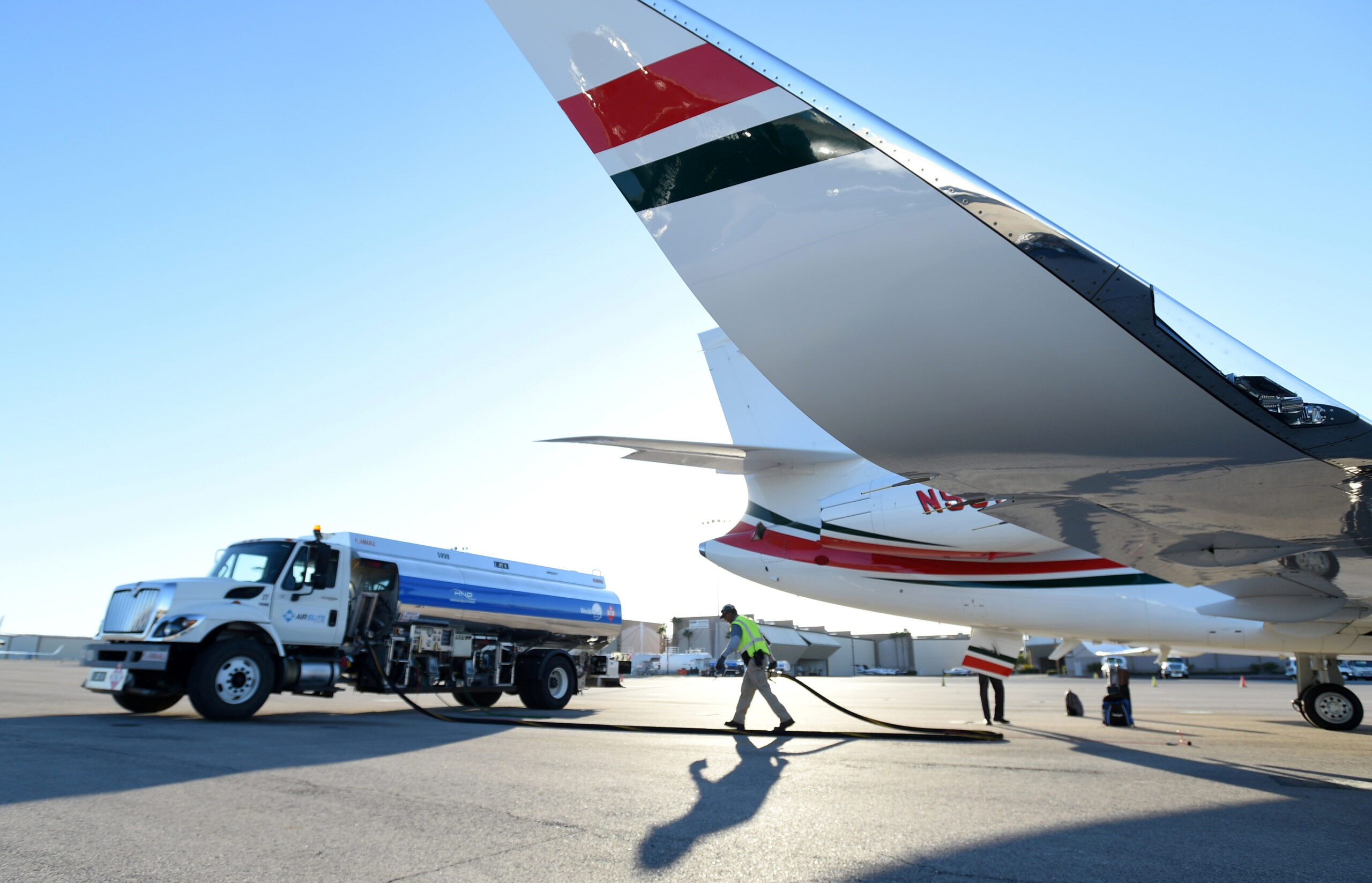
Jet Fuel Supply Concerns Ease as Production Rises
Concerns about a potential jet fuel shortage, particularly as the travel season heats up this summer, have diminished. This shift comes as increased refinery output and higher exports from countries such as Nigeria have helped to stabilize the global aviation fuel market, according to a recent report from the International Energy Agency (IEA).
The IEA’s findings, released on June 17, 2026, indicate that heightened production at U.S. and European refineries, along with increased imports from key exporting nations, have successfully alleviated supply worries that have lingered amid strong travel demand and ongoing geopolitical tensions.
Jet fuel production saw a significant surge during the spring months. In March, U.S. refineries produced over 2 million barrels per day, while European refineries contributed approximately 1.3 million barrels per day. This upward trend continued into April and May, ensuring a stronger global supply of jet fuel.
Rising Exports from the U.S. and Nigeria Play Key Roles
The easing of supply pressures can be attributed largely to a dramatic increase in jet fuel exports from the United States to Europe. Record production levels have enabled U.S. exporters to ship larger quantities across the Atlantic, all the while maintaining domestic inventories above historical averages. Furthermore, Nigeria has emerged as a crucial supplier to Europe, reflecting its expanding role in the international refined oil market. In June, jet fuel imports from Nigeria to Europe averaged 127,000 barrels per day, positioning Nigeria as the continent’s leading external supplier, second only to the U.S., which exported approximately 136,000 barrels daily during the same timeframe.
European Refiners Respond to Strong Demand
European refiners have also ramped up production in response to robust demand and favorable profit margins. Operations in Italy, Norway, and Denmark remain strong, with additional output improvements noted in Poland, Belgium, and Germany following the completion of maintenance activities at various facilities.
Production Gains Without Compromising Diesel Supply
The IEA emphasized that the increase in jet fuel production has not come at the expense of diesel output, a long-standing concern among market participants. Refiners have successfully boosted production of both fuels by processing additional low-sulfur feedstock through hydrocrackers, thus maximizing output and capitalizing on favorable market conditions.
Despite the enhanced supply, jet fuel continues to be a lucrative commodity for refiners. Although jet fuel premiums over diesel have decreased significantly and approached pre-turmoil levels, prices still support robust production levels. The agency noted that diesel refining margins remain high, at nearly $40 per barrel, ensuring that jet fuel prices justify a notable share of refinery output.
Dangote Refinery Emerges as a Major Player
Nairametrics reported in May 2026 that the Dangote refinery had emerged as the world’s largest exporter of jet fuel as of April. This development was highlighted in a report by S&P Global Energy, which included insights from Dangote Refinery CEO David Bird. Jet fuel has driven significant growth in export figures, as disruptions linked to tensions in the Middle East have altered global fuel trade dynamics. As a result, buyers are increasingly seeking alternative aviation fuel sources, providing new exporters an opportunity to capture market share.
Nigeria Solidifies Its Position in the Jet Fuel Market
S&P Global Energy noted that shifting supply landscapes have heightened demand for jet fuel exports from the Dangote refinery, further solidifying its role as a key supplier in international markets during a period of uncertainty for traditional trade routes. The latest IEA report underscores this trend, confirming that Nigeria has ascended to become Europe’s largest supplier of jet fuel, with imports averaging 127,000 barrels per day in early June.
