


Aim to Eradicate Malaria in Africa
The African Slavery Atrocities Healing Foundation has launched a global declaration advocating for healing, justice, and restoration pertaining to the transatlantic slave trade. This declaration is structured around a five-point framework focusing on recognition, repentance, reparation, and restoration.
Announcement Highlights Global Initiative
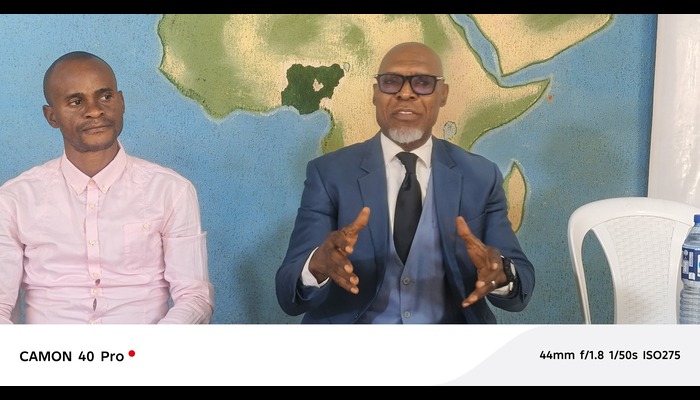
The declaration was unveiled during a press conference at the Tree of Life Garden in Jos, where Mr. Joshua Egbagbe, the Apostolic Overseer of Father Abba General Conference and Convener of the Foundation, articulated its objectives. The initiative is designed to enhance ongoing legal and diplomatic reparations efforts by introducing a more faith-based and apostolic approach to healing the wounds left by Africa’s slavery era.
Appeal for Comprehensive Healing
Egbagbe emphasized that the African Slavery Atrocities Healing Foundation resonates with a growing global consensus around reparative justice framed in a non-blaming context. The foundation advocates for an inclusive process of healing that also acknowledges the psychological and spiritual trauma endured by enslaved Africans throughout history.
Historical Context of the Declaration
The declaration, titled “Dam Concorde est Sanatio,” or “While there is unity, there is healing,” was purposefully dated June 18, 2026, marking 574 years since the Pope’s Bull Dame Diversus, which historically justified the enslavement of African peoples. Egbagbe articulated that the aim is to prioritize healing over punishment and to foster restoration rather than perpetuate grievances.
Calls for Institutional Accountability and Collaboration
The Foundation is urging the Holy See to formally rescind five papal bulls associated with the slave trade. Egbagbe also called on European governments to acknowledge their roles in this history and contribute to the proposed 5R African Euro Reparations and Development Fund while encouraging African nations and traditional institutions to promote domestic engagement in this reparative process.
Framework for Long-Term Development
The 5R framework aims to work alongside existing international faith-oriented efforts and encourages collaboration with the United Nations, African Union, and European nations in advancing reparative justice. Egbagbe noted that reparations should extend beyond monetary compensation, emphasizing the need for targeted investments to effectively address the historical setbacks caused by slavery.
Health Initiatives and Socioeconomic Development
In addition to a comprehensive initiative aimed at eradicating malaria, Egbagbe proposed the establishment of various development projects across Africa. These include maritime universities and freedom museums in regions that once served as gateways for the slave trade. He underscored that malaria continues to devastate communities, calling for support from countries that benefited from the slave trade as part of a broader agenda for restorative justice.
Obligation for Sustainable Change
Further, Egbagbe urged former slave-trading nations to financially assist African countries through structured development programs focused on improving health care, education, and infrastructure. He framed this financial assistance not as charity but as a moral duty and historical obligation to rectify the extensive social and economic damage inflicted during centuries of exploitation.
The initiative is poised to foster a wide-ranging collaboration among governments, institutions, and individuals dedicated to what the Foundation terms “historical healing and the restoration of human dignity.”
