


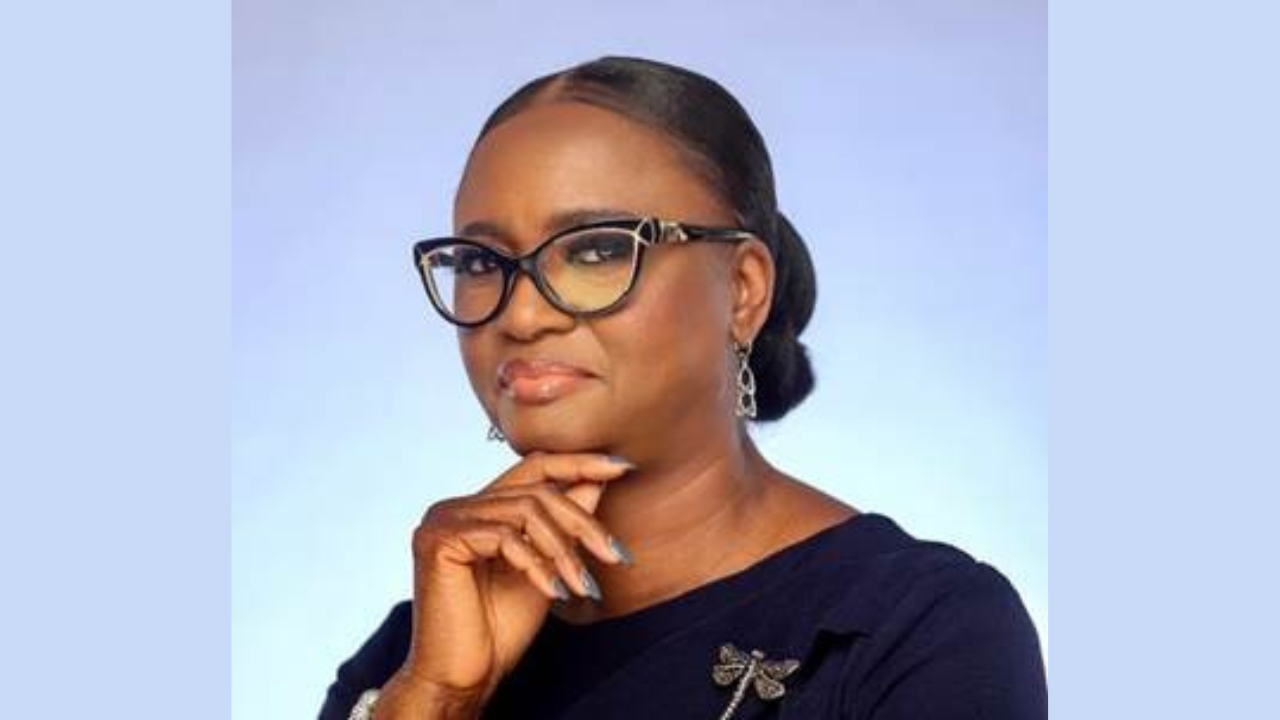
Shell Appoints New Executive Vice President for Nigeria
Shell, the British energy powerhouse, has appointed Elohor Iboni as its new executive vice president and country chairman for Nigeria. This transition follows the retirement of Marno de Jong, who successfully led the company’s operations in Nigeria for over six years.
In a statement released on X, Shell emphasized De Jong’s contributions, highlighting his recent management successes and strategic investment initiatives that bolstered the company in Nigeria.
Under De Jong’s leadership, Shell’s flagship Bonga deepwater oil field consistently exceeded operational targets, demonstrating strong performance. The company credited him for steering critical investment decisions, including advancements in the HI offshore gas project and the Bonga North development.
Elohor Iboni: A Groundbreaking Leader
Shell noted that Iboni is making history as the first Nigerian to occupy both the roles of Executive Vice President of Nigeria and Speaker of the Nigerian National Assembly. With over 24 years at Shell, her extensive background encompasses offshore, shallow water, and onshore operations in Nigeria, alongside international assignments in Kazakhstan and Brunei.
Notably, Iboni became the first woman to serve as Managing Director of Shell Nigeria Exploration and Production Company (SNEPCo) in 2021. Her tenure has been marked by significant milestones, including the Bonga field’s achievement of generating one billion barrels of oil in 2023.
Strategic Investment Outlook
Joni’s appointment coincides with Shell’s renewed commitment to enhancing investments in Nigeria, influenced by a combination of policy coherence, political stability, and effective government leadership. During a January meeting with Nigerian President Bola Tinubu, Shell CEO Wael Sawan expressed a growing optimism about the energy sector’s potential in the country.
“We are eager to invest in Nigeria,” Sawan stated at the time, reflecting a shift in the company’s approach to the region.
Legacy of Operations and Environmental Challenges
For over three decades, Shell has been a key player in Nigeria’s oil and gas sector, predominantly through its subsidiary, Shell Petroleum Development Company Nigeria Limited (SPDC). While the company’s operations have generated critical revenue for the Nigerian government, especially in the Niger Delta region, they have also sparked significant environmental damage and community unrest.
Ongoing Legal and Environmental Issues
Currently, Shell is grappling with several lawsuits in the UK and the Netherlands relating to environmental pollution in the Niger Delta. A Dutch court ruling in 2021 mandated the company to compensate Nigerian farmers due to ecological damage from an oil spill.
A recent investigation by Premium Times revealed ongoing struggles faced by oil-producing communities such as Ogoniland, where residents reported severe agricultural and water contamination, directly impacting their livelihoods. Another investigation highlighted serious health threats posed by toxic gas leaks from a field in Bir, Rivers State, which was initially developed by Shell before being sold to Eloton Exploration and Production Company in 2014.
Further evidence released by the BBC has indicated that Shell continued operating the Bir field and the Nembe Creek trunk amid growing concerns about environmental risks and outdated infrastructure. This issue has come to the forefront during legal actions taken by the Niger Delta communities demanding reparations for pollution linked to more than 100 oil spills from 2011 to 2013.
