


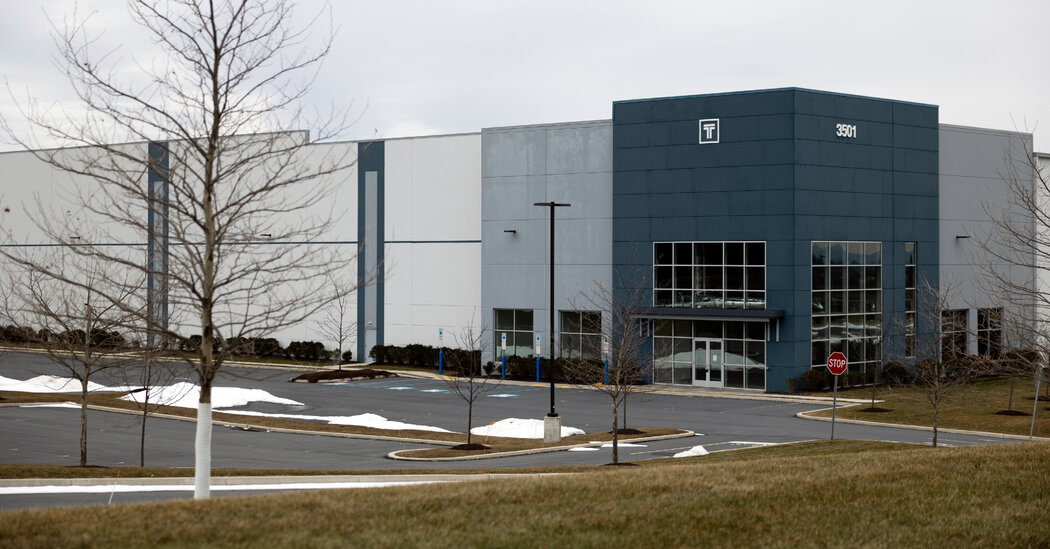
ICE Reassesses Warehouse Expansion Amid Controversy
The Immigration and Customs Enforcement (ICE) agency is pivoting away from its expansive mass deportation strategy initially championed by the Trump administration. Plans to acquire over a dozen vacant warehouses nationwide for detention purposes are being scrapped in a move that may lead to a significant decrease in deportations. During President Trump’s first year in office, ICE invested $1 billion in purchasing 11 facilities aimed at bolstering its detention operations.
Move to Divest Warehouses Signals Leadership Changes
ICE is now looking to offload seven warehouses purchased for more than $700 million, with options to either transfer them to other federal agencies or sell them outright. Internal documents reveal this shift represents a rejection of a key initiative spearheaded by former Homeland Security Secretary Kristi Noem, who pushed aggressive measures for rounding up illegal immigrants. Current acting director Markwayne Mullin has privately expressed doubts about the original plan but has opted for discretion regarding the agency’s enforcement approach.
DHS Emphasizes Focus on Criminal Deportations
A statement from the Department of Homeland Security (DHS) reiterated its commitment to removing serious criminal offenders from the United States. The agency underscored the importance of rapid transportation of apprehended violent criminals instead of incurring taxpayer costs for prolonged detention. DHS is reportedly collaborating with state and local partners to optimize existing detention resources.
Funding and Infrastructure Challenges Persist
This strategic shift arrives just months after ICE, under Noem, sought to fundamentally redefine immigration detention by increasing federal ownership of facilities instead of relying on contractors. The initial warehouse plan was met with widespread community opposition, raising doubts about the feasibility and wisdom of such ambitious undertakings.
Ongoing Legal and Regulatory Hurdles
ICE has faced scrutiny over the environmental impact assessments of its warehouse acquisitions. The agency is currently under investigation by the Department of Homeland Security’s inspector general due to allegations of inadequate environmental checks. Warehouses identified for divestment are located in Romulus, Michigan; Social Circle, Georgia; and several other states, underscoring the national scope of this challenge.
Detention Bed Shortages Complicate Deportation Plans
Empirical evidence suggests that immigrants singled out for deportation undergo a systematic process that hinges on available detention beds. With an annual budget rising from $8 billion to $28 billion, the urgency of securing adequate detention space remains a critical issue. Initial optimism displayed by Trump administration officials over rapidly expanding detention capacity has been dampened by the realities of bureaucratic complexities and legal constraints.
Environmental Lawsuits Impede Progress
The prospect of acquiring additional detention facilities became increasingly complicated as legal challenges mounted. Community pushback, particularly in conservative regions, heightened concerns about potential impacts on local infrastructure and economies. With federal judges blocking expansion in places like Maryland and New Jersey pending further environmental evaluations, ICE faces a mounting list of legal obstacles.
Future of Detention Policy in Question
The challenges facing ICE are emblematic of a broader struggle to implement effective and humane immigration policies in the United States. As the agency pivots away from an earlier vision of rapid mass deportations and expansive detention facilities, it finds itself at a crossroads fraught with legal, operational, and community-based hurdles. With the changing landscape of immigration policy, the effectiveness of ICE’s original ambitious goals remains highly uncertain.
