


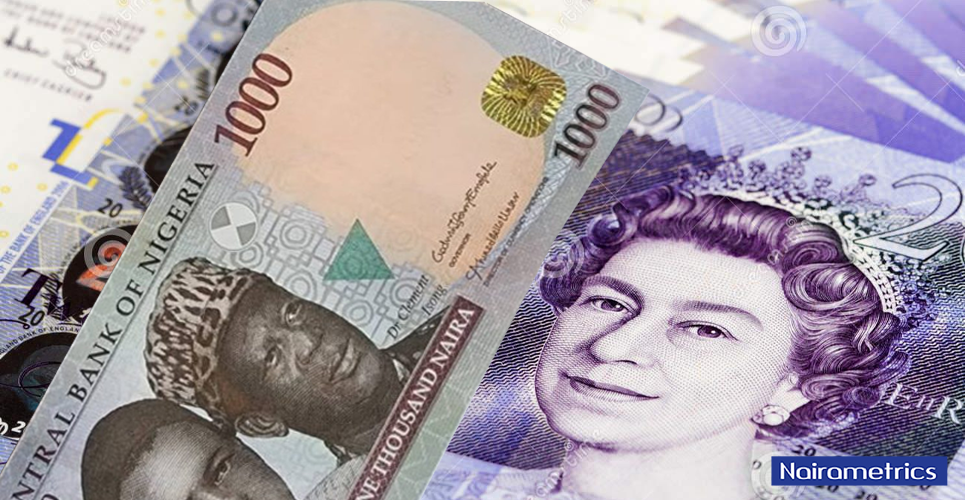
Political Turbulence Affects British Pound as Starmer’s Tenure Faces Uncertainty
Numerous media sources have highlighted the looming resignation timeline for British Prime Minister Sir Keir Starmer in response to a surprising landslide victory by rival Andy Burnham in the recent Greater Manchester by-election. This development has raised concerns about political instability in the UK, which is contributing to a weakened British pound, now nearing its lowest exchange rates of the year against the Nigerian naira.
Nigerian Naira Positioned Amid Currency Liberalization Efforts
Recent data from the Central Bank of Nigeria (CBN) shows that the Nigerian currency is trading at 1,806 Norwegian pounds for every British pound. The CBN is implementing a strategy aimed at attracting institutional investors to Nigerian Naira-denominated bonds and other fixed-income products by maintaining interest rates at historically elevated levels. This approach is part of a broader initiative focusing on strict monetary policy and currency liberalization.
CBN’s Tactics to Mitigate Speculative Trading Risks
The central bank’s current stance is designed to diminish the allure of speculative trades in foreign currencies such as the dollar and the pound as a hedge against local inflation. By taking these measures, the CBN is effectively draining excess liquidity from the Nigerian economy, fostering a more stable financial environment.
Reserves Enhance CBN’s Capacity for Foreign Exchange Operations
With $51 billion in reserves, the CBN is strategically positioned to execute a successful foreign exchange auction aimed at meeting the needs of manufacturers, importers, and students studying abroad. This robust liquidity supports the central bank’s goal of stabilizing the Naira amid external economic pressures.
Sterling Under Pressure as Political Landscape Evolves
As expectations grow regarding Starmer’s potential resignation, the British pound remains close to its lowest point this year against the US dollar. On Monday morning, Sterling dipped as much as 0.4%, trading at $1.3181, just above its March low of $1.3159. Analysts indicate that should it breach this key level, it could signify the currency’s lowest performance since November.
Market Uncertainty Following Burnham’s Election
Burnham’s recent election as Greater Manchester Mayor has intensified the debate surrounding Starmer’s political future. With Starmer contemplating his next steps amidst Burnham’s endeavors to unseat him, questions abound regarding the financial implications of a potential change in leadership. The ambiguity around Burnham’s proposed policies complicates forecasts for future borrowing, as market participants express concerns over increased bond issuance needed to support government spending amid existing debt challenges.
Global Market Sentiment Deteriorates Amid Geopolitical Tensions
Despite some recovery following a historic US-Iran deal, market sentiment remains fragile. Tensions in the Middle East, specifically between Israel and Hezbollah, have raised additional concerns. Reports suggest that Hezbollah may retaliate if Israel does not agree to a ceasefire, while Israeli officials maintain a cautious stance, prepared to respond to any provocation.
Furthermore, the Federal Reserve’s hawkish stance, with several Federal Open Market Committee (FOMC) members anticipating a rate hike by year-end, has propelled the dollar to a 13-month peak of 101.13. The US Dollar Index (DXY), which tracks the dollar against a basket of six currencies, currently stabilizes above the 101-point threshold, indicating continued strength in the dollar amidst a climate of uncertainty in global finance.
