


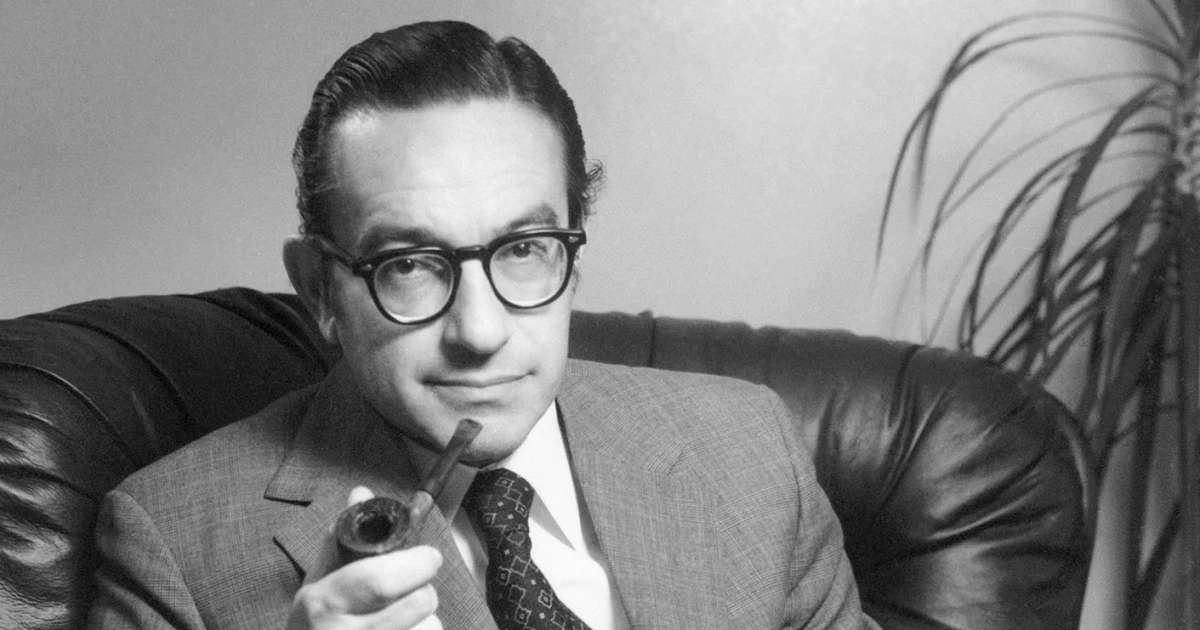
Alan Greenspan, Former Fed Chairman, Passes Away at 100
Alan Greenspan, the distinguished economist who significantly influenced U.S. monetary policy during his five terms as chairman of the Federal Reserve, passed away on Monday. His death was announced by his wife, Andrea Mitchell, renowned correspondent for NBC News.
Impact on American Capitalism
At the time of his passing, Greenspan was 100 years old and had played a pivotal role in shaping modern American capitalism, particularly during the transition from the end of the Cold War to the early days of the digital economy. He led the Federal Reserve during an unprecedented economic expansion from 1991 to 2001 but faced criticism for his deregulation policies believed by some to have contributed to the 2007-2008 global financial crisis.
Legacy and Personal Life
Greenspan is survived by his wife, Andrea Mitchell, with whom he shared 29 years of marriage. In her statement regarding his death, she noted, “Alan passed away at our home this morning due to complications from Parkinson’s disease.” She reflected on his remarkable contributions to the economy, emphasizing his sincerity and willingness to admit to his errors.
Cultural and Academic Beginnings
Born in the Washington Heights neighborhood of New York City on March 6, 1926, Greenspan exhibited a talent for mathematics early in life. He attended the Juilliard School, where he played jazz saxophone and clarinet, before pursuing formal education in economics at New York University, where he earned both bachelor’s and master’s degrees.
Career Trajectory
In the 1950s, Greenspan became associated with Ayn Rand and her philosophy of objectivism, which emphasized self-interest and laissez-faire capitalism, shaping his economic views. After working as an economist, he entered politics in 1967, advising Richard Nixon during his presidential campaign before taking a prominent role in the Ford administration as chairman of the Council of Economic Advisers.
Tenure at the Federal Reserve
Greenspan’s nomination as chairman of the Federal Reserve was confirmed in 1987 during Ronald Reagan’s presidency. His swift action during the 1987 stock market crash established the principle later dubbed the “Greenspan Put,” which reassured markets during crises by maintaining liquidity. Under his leadership, the economy witnessed significant growth, navigating challenges like the bursting of the dot-com bubble and the aftermath of the September 11 attacks.
Controversial Decisions and Criticisms
Despite his accomplishments, Greenspan’s legacy is marred by the 2007-2008 financial crisis, which drew scrutiny towards his policies promoting deregulation. The Financial Crisis Commission later cited his failure to address risks associated with subprime mortgages as a catalyst for the crisis. In 2008, he acknowledged the unexpected breadth of the financial turmoil, labeling it a “once-in-a-century credit tsunami.”
Honors and Recognition
Following his retirement from the Federal Reserve in 2006, Greenspan founded a consulting firm and continued to share his insights through various publications. His accolades include the French government’s Legion of Honor, being appointed an Honorary Knight of the British Empire by Queen Elizabeth II, and receiving the Presidential Medal of Freedom from President George W. Bush, solidifying his influence in both domestic and international arenas.
