


The Dual Nature of Social Media Impact
The influence of social media is undeniable and multifaceted. While it possesses the remarkable ability to promote positive change, it can also inflict considerable harm. In today’s interconnected world, a single social media post can dramatically alter a person’s life or ignite widespread outrage across borders.
Multinational Corporations in Troubled Waters
As the power of social media grows, multinational corporations increasingly find themselves entangled in geopolitical tensions, misinformation, and the rise of emotional nationalism. This surge in digital activism poses significant challenges, especially for companies operating in politically sensitive regions. For instance, leading South African brands such as MTN Group, MultiChoice, Stanbic IBTC, and Protea Hotels are facing threats to their operations in West Africa amid escalating anti-immigrant sentiments in South Africa.
Investments and Economic Stability at Stake
This climate of unrest brings into sharp focus the delicate balance between cross-border investment and economic stability. The challenges extend beyond these prominent companies; they reflect broader issues regarding how African nations manage international relationships, facilitate the expression of public grievances, and safeguard businesses from collateral damage in conflicts beyond their control.
Continental Reactions to Afrophobia
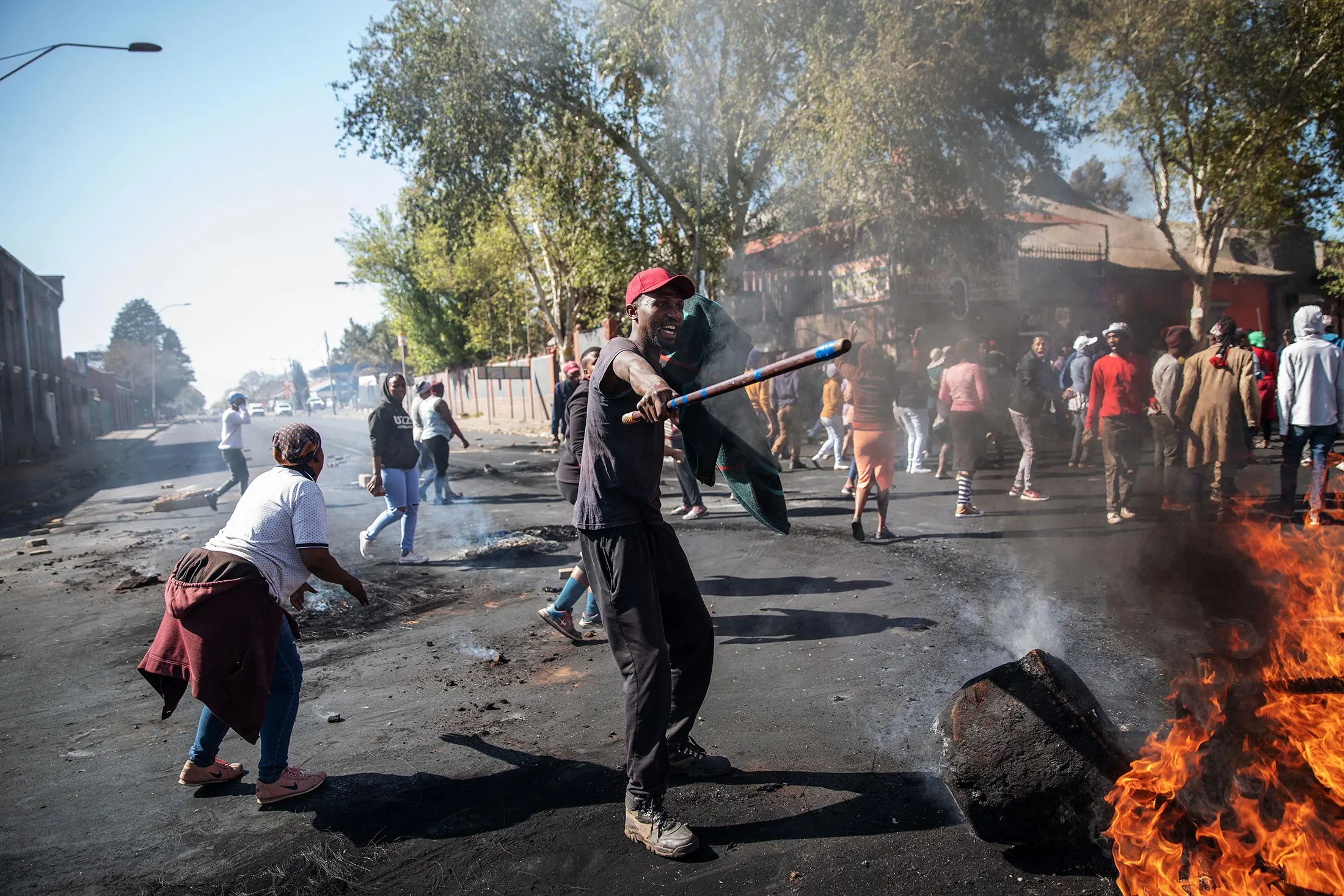
Historically, instances of Afrophobia in South Africa have sparked outrage throughout the continent, particularly affecting nations whose citizens have been victimized. Nigerians, Ghanaians, Zimbabweans, and others often respond vehemently to reports of violence against foreign nationals. In today’s digital landscape, these reactions are amplified through social media, blending facts, emotions, rumors, and misinformation.
MTN’s Position in a Volatile Environment
For companies like MTN, the stakes are particularly high. They are frequently perceived as embodiments of South African economic interests. During times of heightened tension, the company can quickly become a target for boycotts, vandalism, and defamatory online campaigns. While such reactions may stem from genuine feelings of anger, they often lead to economically counterproductive outcomes. In Nigeria, for example, MTN provides employment for thousands and supports an extensive network of local businesses, thus contributing significantly to the economy.
The Challenge of Digital Vigilantism
The rise of the digital mob poses a formidable challenge. While social media effectively mobilizes support, it can also lead to collective punishment without sufficient verification of the facts. Viral content can prompt boycotts and threats before it undergoes proper scrutiny, placing companies in precarious positions that traditional risk management cannot anticipate.
The Urgent Need for Collective Action
Africa can ill afford this cycle of reactionary behavior. As nations pursue ambitious goals under the African Continental Free Trade Area, including enhanced economic integration and cross-border investment, trust becomes paramount. Investors must have confidence that their businesses will be shielded from public backlash triggered by diplomatic disputes. It is essential for governments to respond promptly and transparently to incidents of Afrophobia, as silence can create fertile ground for speculation and anger.
Local Engagement and Responsible Media Practices
Moreover, companies must bolster their outreach and localization strategies to clearly communicate their positive local impact. Media organizations and influencers must also embrace greater responsibility. While sensational reporting can drive traffic, it often exacerbates tensions and leads to unintended consequences. Citizens, too, bear a responsibility to differentiate between legitimate advocacy and actions that may harm their communities.
African Unity Against Economic Challenges
To address the growing issue of Afrophobia, African leaders must strengthen continental mechanisms for rapid response. This challenge extends beyond national borders and threatens regional integration initiatives. As the MTN situation illustrates, the continent’s future prosperity hinges on not only robust infrastructure and technology but also on a mature, constructive public discourse.
Africa requires investment across borders, free from the threat of social media backlash or political turmoil. The path to true economic integration and shared prosperity will necessitate concerted efforts to protect legitimate businesses from the fallout of Afrophobia and digital vigilantism. The consequences of failing to achieve this collective responsibility could far exceed current realizations.
Eromosele is a corporate communications expert and sustainability advocate.
