


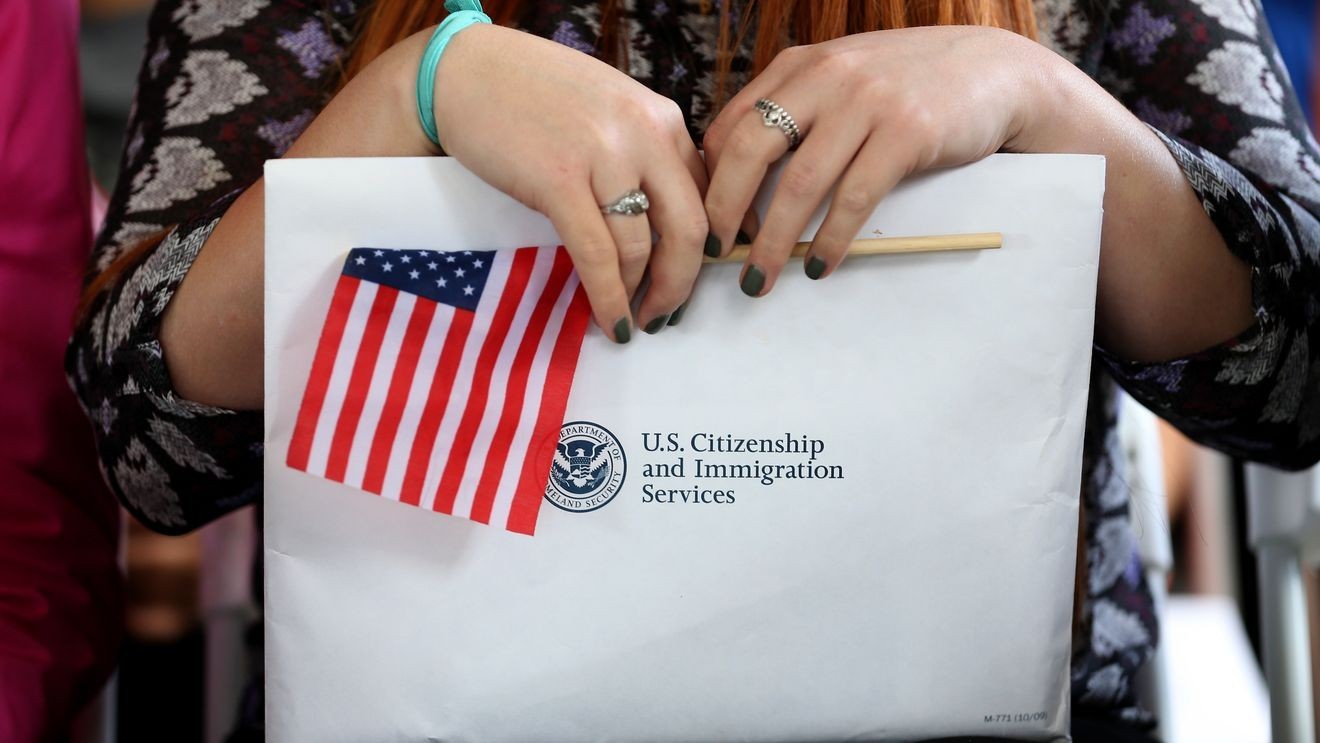
Proposed Fee Hikes and Reduced Exemptions for Citizenship Applications
In a significant shift in immigration policy, the Trump administration has introduced a proposal that aims to raise application fees for legal immigrants seeking U.S. citizenship. This new regulation would also eliminate exemptions previously available to low-income applicants.
Submitted for public comment by U.S. Citizenship and Immigration Services (USCIS) on Monday, the proposed regulation (RIN: 1615-AD08) includes an increase in application fees by $570. This would raise the cost for paper applications from $760 to $1,330, and for online applications from $710 to $1,280. Additionally, the fee for reconsideration requests on denied citizenship applications would increase by $645.
One of the most notable aspects of the proposal is the elimination of fee waivers for citizenship applications, along with a reduction in fee options for immigrants whose household income is at or below 400% of the federal poverty line. However, military personnel applying for citizenship will continue to be eligible for fee waivers.
Given the government’s rulemaking process, these changes will not take immediate effect. The public has until August 24 to submit comments either in support of or opposition to the proposal.
The Department of Homeland Security (DHS) has stated that the fee increase is necessary to fully cover the costs associated with processing citizenship applications. This move is part of the Trump administration’s broader efforts to meticulously vet all applicants.
Legal immigrants, specifically green card holders, use Form N-400 to apply for citizenship, while Form N-336 is intended for those whose naturalization applications have been previously denied and seek a hearing to challenge that decision.
The proposed fee adjustments also correlate with a series of executive orders signed by President Trump aimed at enhancing national security through immigration reforms. These orders include directives for comprehensive vetting of all foreign nationals residing in the U.S., as well as steps to strengthen American identity and civic engagement.
While DHS has historically limited application fees with an eye towards promoting naturalization, this new approach indicates a significant policy shift. The agency argues that the increases are necessary to close the gap between operational costs and revenues from processing these forms.
For lawful permanent residents, U.S. citizenship eligibility generally follows five years of holding a green card. Candidates undergo rigorous screening that includes English proficiency and civics tests, along with evaluations of their criminal backgrounds and overall character. The current administration has emphasized strengthening these immigration vetting processes as part of its immigration reform agenda.
