


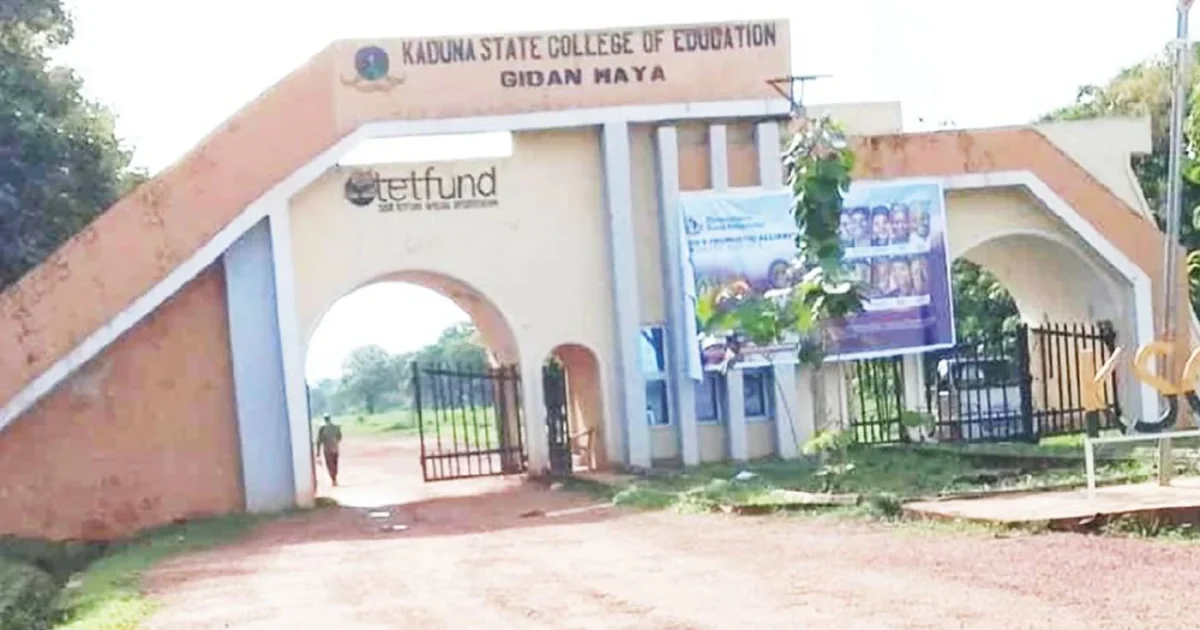
Students at Kaduna State University of Education Face Significant Infrastructure Challenges
Students at Gidan Waya, Kaduna State University of Education, are contending with inadequate infrastructure, security issues, and insufficient welfare facilities, as reported by Arewa Punch. A recent visit to the campus highlighted persistent problems that have been exacerbated by a lack of intervention from relevant stakeholders.
The most pressing issue is the poor condition of the roads leading to the university. During the rainy season, flooding creates obstacles that complicate travel for students, faculty, staff, and visitors. This disruption not only hampers access but also raises safety concerns.
The Rev. Julius Moses Ayazo, Vicar of St. Albert’s, identifies the disrepair of the roads as a major impediment. He noted that commercial motorcycle drivers often avoid the campus entirely due to these conditions, forcing individuals to walk long distances. This situation negatively impacts both academic and religious activities, with students frequently arriving late to classes.
Student Felicity Andrew shared her own disheartening experience, recounting a fall from her motorcycle on a hazardous section of road, which caused her to miss an important lecture. The rainy season worsens these travel complications, further hindering students’ ability to get to campus.
Echoing these concerns, Comrade Exodus Matthew, President of the Nigerian Catholic Students’ Federation, stated that students have repeatedly requested road repairs, but little progress has been made. The increase in transportation costs due to the road conditions adds another layer of difficulty for students facing financial constraints.
In an official response, procurement officer Victor Gambo acknowledged the enduring poor state of the roads, attributing their neglect to a lack of completed contracts that were initiated under former Kaduna State Governor Ahmed Makarfi. Although a contract for approximately 11.5 kilometers of road was signed, essential work such as asphalting was never completed. Gambo emphasized that the university has exhausted its limited resources to manage about 1.3 kilometers of roads and has sought government intervention.
Beyond the road issues, students residing in hostels cite serious welfare and safety concerns. Complaints about insufficient security, non-functional solar power systems, and unsatisfactory living conditions are prevalent. Wayon Dogara, director of the women’s dormitory, stated that many promised facility upgrades remain unfulfilled, raising safety anxieties among residents. Reports of mosquito infestations and sightings of reptiles have compounded these worries, with one student experiencing a medical emergency that necessitated immediate outside treatment.
On a more positive note, Senator Sunday Marshall Katun has announced that funding for internal road construction and hostel renovations has been included in the 2026 budget. This initiative is aimed at enhancing both infrastructure and student welfare. Dr. Abdullahi Baba Ahmed, Managing Director of the Kaduna State Roads Authority, assured stakeholders that the state government recognizes the need for improvements and is working to address these challenges through phased projects targeting infrastructure in educational institutions.
The university community continues to express hope regarding the recent evaluations by KADRA and the allocation of future budgets for road projects. However, the urgency remains to implement these interventions promptly, as the current state of access, security, and hostel facilities significantly affects student welfare, academic performance, and the overall reputation of the university. Efforts to obtain an official comment from the university management regarding the allegations surrounding the JAMB intervention fund remain unanswered.
