


Significant Changes in U.S. Immigration Policy Announced
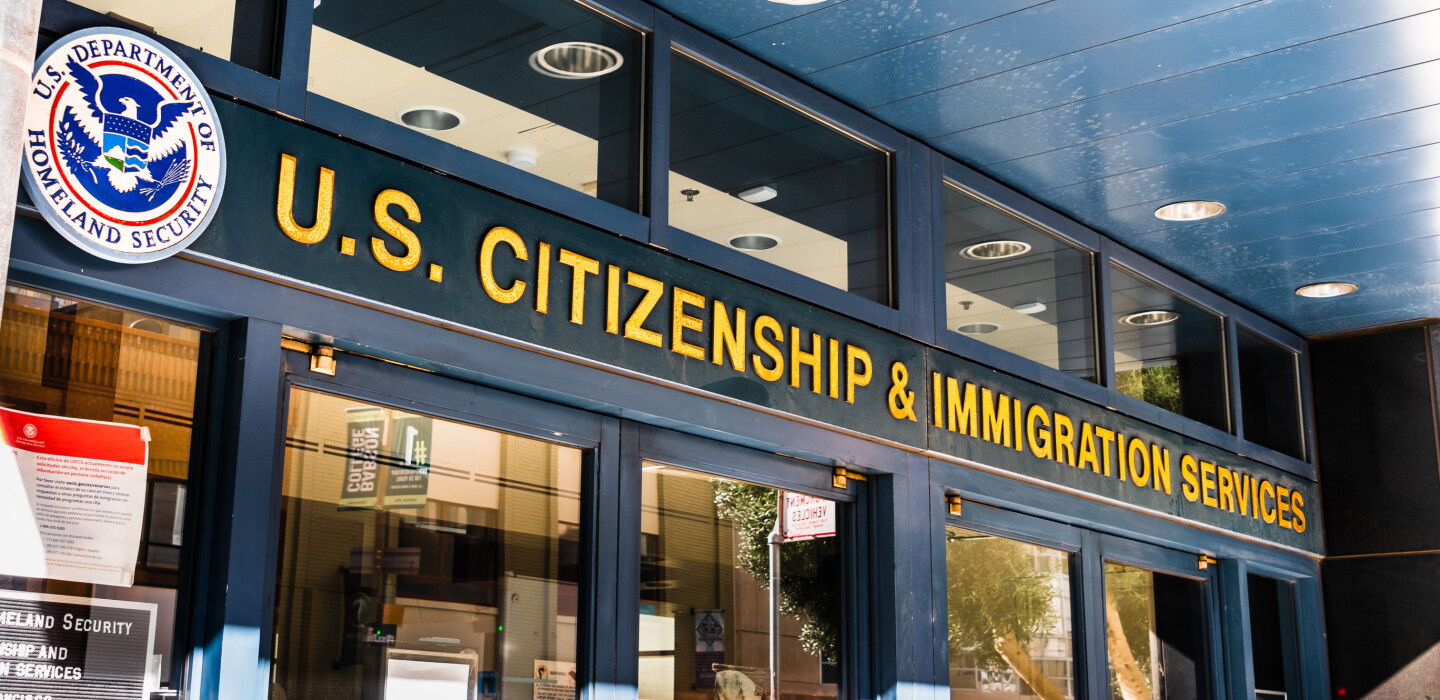
Last month, the Trump administration revealed major changes to the United States’ immigration policy. U.S. Citizenship and Immigration Services (USCIS) clarified in a policy memo that individuals currently in the U.S. on temporary permits and seeking permanent residency will need to leave the country and apply through their home country’s consulate. The memo also indicates that the discretionary power of USCIS officials will determine whether applicants can temporarily remain in the United States.
For years, many immigrants have been able to adjust their status from temporary to permanent residency while remaining in the United States. This process has traditionally benefited those with legal status, including individuals on student or work visas, refugees, asylum seekers, and family members of U.S. citizens. Overstayers of temporary visas often qualify for permanent residency if they are immediate relatives of U.S. citizens, within certain age constraints.
Federal officials framed the memo not as a radical shift, but rather as a commitment to uphold existing immigration laws and court rulings. Zach Koehler, a spokesperson for USCIS, stated that this approach will enable the agency to redirect its resources towards a wider range of cases, alleviating the backlog of green card applications from individuals who entered the country on temporary visas. The policy also emphasizes heightened scrutiny for those who overstay their visas.
We are reverting to the law’s original intent, which is to ensure that foreign nationals navigate our immigration system appropriately, Koehler explained in a released statement. He added that this new policy aims to reinforce legal processes and reduce the necessity of locating and deporting individuals who attempt to remain in the U.S. illegally after being denied residency.
States Most Impacted by New Immigration Policy
As expected, the most populous states are likely to experience the most significant effects from these changes. According to the latest data from Homeland Security Statistics for 2023, a substantial number of green card applicants resided in California (18.5 percent), followed by Florida (14.2 percent), Texas (12.2 percent), and New York (almost 8.9 percent). The remaining 42 states, along with Washington, D.C., and Puerto Rico, each comprised less than 3 percent of the green card applicant population, with many having under 1 percent. California, leading the pack, boasts 112,100 legal permanent residents, while Wyoming has a mere 250.
Interpretation of the Memo
Immigration officials and advocacy organizations are assessing the implications of this memo and what scenarios may qualify for exemptions under “extraordinary” circumstances. Experts in immigration law expressed hope that refugees could be exempt from the requirement to return to their home countries. Concerns have been raised by the American Immigration Council regarding potential complications for those on temporary visas, particularly workers with specialized skills and religious workers, along with U.S. citizen families. Current immigration laws impose restrictions on families seeking legal status or re-entry to the U.S. for several years upon departure, making it challenging for those affected to navigate their situations effectively.
