


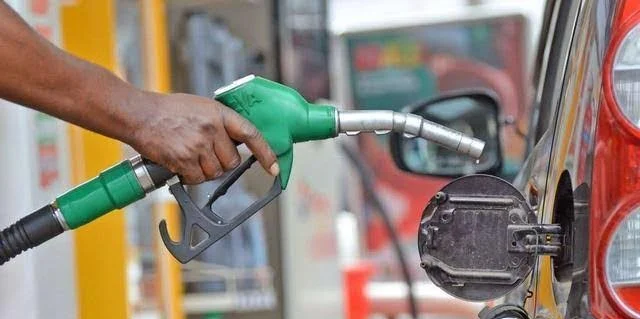
Local Petrol Production Sees Significant Growth
The federal government has announced a remarkable surge in domestic petrol production, rising from nearly zero to approximately 48 million liters per day in 2023. This increase marks a pivotal shift in Nigeria’s energy landscape, indicating substantial progress towards energy independence.
Insights from the Special Adviser on Oil and Gas
During a presentation at the 2026 Nigeria-British Chamber of Commerce Energy Day, the Special Adviser to the President on Oil and Gas, Mrs. Olu Verheijen, shared these developments. Her remarks were subsequently released to the News Agency of Nigeria, emphasizing the importance of local refining in the nation’s energy strategy.
Domestic Refining and Currency Stability
With a focus on the theme “Nigeria’s Energy: From Possibility to Reality,” Verheijen highlighted that, for the first time in decades, the majority of gasoline consumed by Nigerians is now produced locally. This shift not only boosts energy security but also alleviates the demand for foreign currency traditionally associated with imported fuel. “Each cargo of imported gasoline was a burden on our dollar reserves, contributing to currency devaluation,” she explained.
Improvement in Gasoline Import Costs
The advisor noted a positive correlation between increased local refining and reduced gasoline import costs. Imports had plummeted dramatically, decreasing from approximately 2.3 trillion naira in the first quarter of 2025 to under 90 billion naira within a year. “Less spending on fuel means reduced pressure on the naira,” she added, linking energy security directly to monetary stability.
Restoration of Investor Confidence in Oil Production
Verheijen also addressed the significance of restoring investor confidence in Nigeria’s crude oil and condensate production. In 2025, production levels averaged 1.64 million barrels per day, reflecting an increase of about 400,000 barrels per day compared to 2023, the highest output from onshore operations in two decades. This resurgence is seen as vital for generating income, creating jobs, and fortifying the federal economy.
Challenges and Government Reforms
Despite these advancements, the sector faces considerable challenges. Verheijen remarked on the administration’s struggles with financial sustainability due to prior subsidies, which hindered investment in the industry. “Our resources were plentiful, but the existing system failed to convert them into national value,” she stated, underscoring the urgency of reforms initiated by President Tinubu’s administration, including the removal of fuel subsidies.
Positive Impact of Reforms on National Revenue
Verheijen pointed out that the governmental reforms—while difficult—have yielded significant fiscal improvements. Total revenue for the federation surged from around 12 trillion naira in 2023 to approximately 21 trillion naira in 2024, nearly doubling in just one year. She assured that despite the adjustments, the government has effectively mitigated the chronic shortages that had previously plagued gasoline availability across the country.
