


A Shift in Africa’s Economic Narrative
Africa’s development story is experiencing a fundamental transformation. Historically, this narrative has been dominated by foreign investments, with capital flowing from global financial centers, development projects led by external players, and profits regularly redirected abroad. While Africa has long been rich in resources and potential, its economic trajectory has been largely influenced by outsiders. Today, this narrative is being reshaped. Across the continent, African-owned institutions are expanding their operations, mobilizing local capital, and demonstrating that Africa possesses both the expertise and financial capacity to fund its own development.
United Capital’s Pioneering Expansion
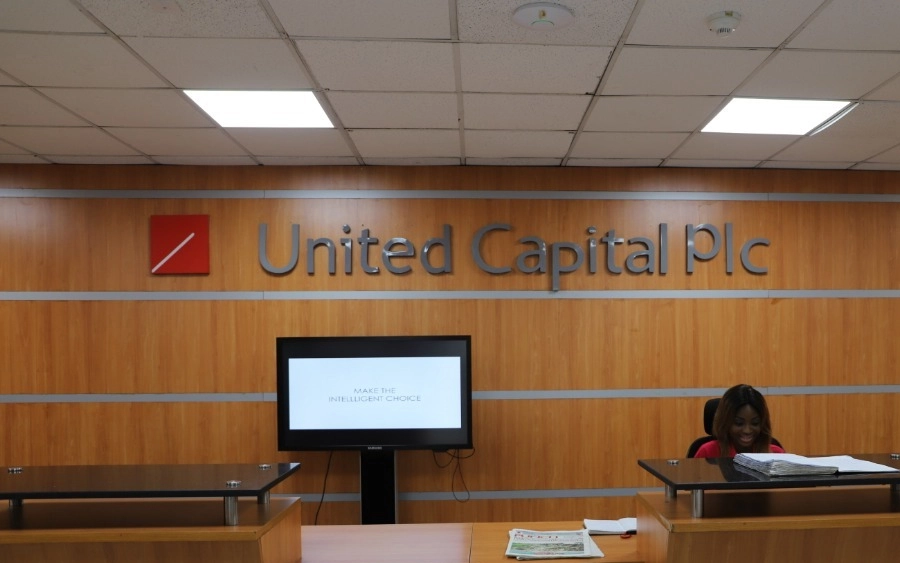
At the forefront of this transformation is United Capital Plc. The company’s recent foray into Ethiopia and Rwanda signifies a pivotal moment in the evolution of regional investment banking. United Capital has become the first foreign investment bank to secure a license to operate in Ethiopia, one of Africa’s fastest-growing economies. Concurrently, the firm received regulatory approval to expand its operations in Rwanda, significantly reinforcing its presence in East and Central Africa. These achievements symbolize not only a corporate expansion but also a growing confidence among African financial institutions in the continent’s long-term prospects, showcasing the ongoing integration of African capital markets and the reality of cross-border collaboration.
Strategic Importance of Ethiopia
The entry into Ethiopia holds particular significance. With a population exceeding 120 million and an ambitious set of economic reforms, Ethiopia has historically maintained a tightly controlled financial sector. The government’s recent decision to liberalize the financial industry has garnered considerable attention, making United Capital’s successful entry a cornerstone in the development of Ethiopia’s rapidly evolving capital market. By granting the first-ever foreign investment banking license to United Capital, the government has expressed its confidence in the institution and demonstrated Prime Minister Abiy Ahmed’s vision of promoting economic openness and encouraging private sector growth.
Rwanda: A Model of Business-Friendly Reform
Rwanda presents a similarly compelling narrative. Known for being one of Africa’s most business-friendly environments, the country has systematically transformed its capital, Kigali, into a leading financial hub in the region. The recent regulatory approval granted to United Capital will empower the firm to offer a comprehensive suite of services, including investment banking, portfolio management, trust services, and capital market advisory. This not only enhances United Capital’s capabilities but also solidifies Rwanda’s position as a strategic gateway for investments into the broader region.
Positioning for Long-Term Growth
By establishing a physical presence in both Ethiopia and Rwanda, United Capital is poised at the nexus of opportunity and structural change. The dynamic demographics, expanding middle classes, urgent infrastructure needs, and strategic trade links in these markets make them prime targets for sustainable long-term growth. With its operations, United Capital is creating trusted avenues for local businesses seeking expansion capital and high-quality financial advisory services. Moreover, the firm aims to facilitate wealth creation for individuals and institutions through sophisticated fund management and tailored investment options designed to enhance and preserve wealth across generations.
Advancing Africapitalism
The significance of this expansion transcends mere market presence; it embodies the philosophy of Africapitalism, championed by Tony Elumelu, the Group Chairman of Heir Holdings and principal investor in United Capital. This philosophy posits that Africa’s private sector must lead economic development and that meaningful, sustainable prosperity emerges when businesses make long-term investments that yield both economic benefits and social wealth. Elumelu emphasizes that Africa’s growth should not rely solely on foreign aid; rather, it flourishes when African enterprises invest in local opportunities, create jobs, build domestic industries, and fully harness the continent’s potential.
A New Era of Financial Leadership
This vision is materializing across multiple sectors as African businesses showcase their ability to compete on a global scale while addressing the continent’s entrenched development challenges. The growth of financial institutions like United Capital illustrates the maturation of African financial markets, signifying the rise of a new generation of domestic champions capable of mobilizing significant capital. United Capital’s strategic advancements are aligned with broader continental priorities, such as the African Continental Free Trade Area, which aims to deepen economic integration and foster an interconnected financial ecosystem.
