


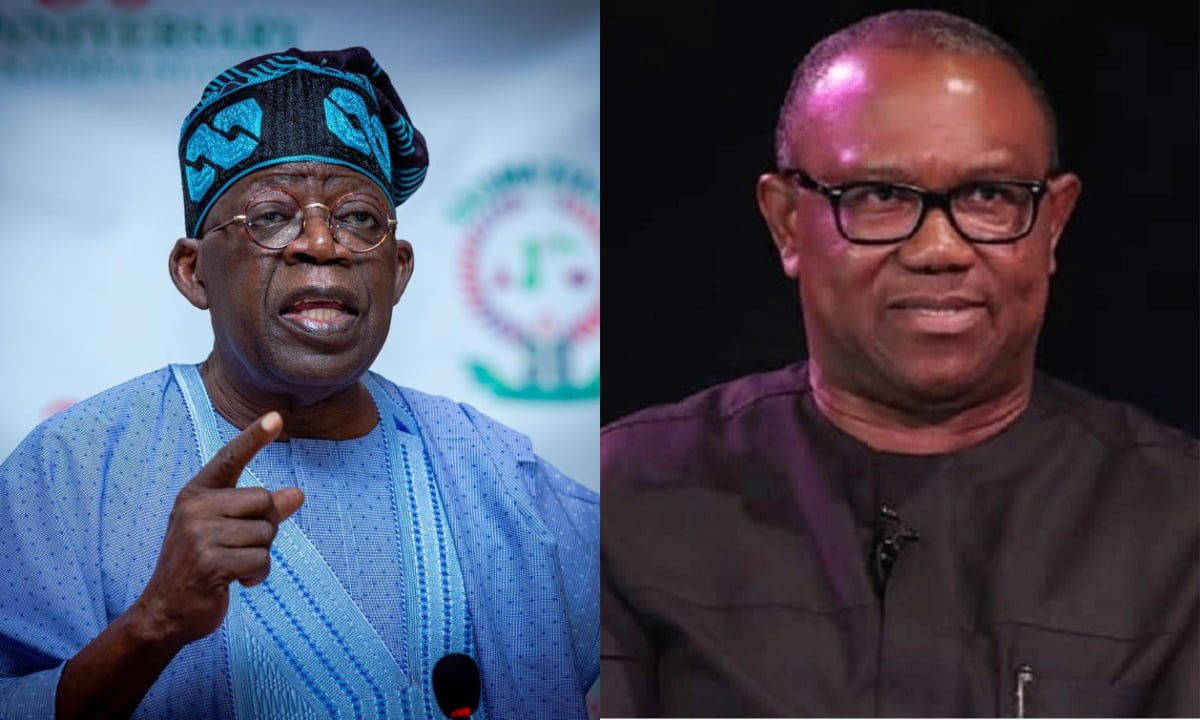
Political Tensions Rise Over Calls for Nigerian President’s Resignation
The Nigerian political landscape has become increasingly contentious, following a public disagreement between the presidential administration and Peter Obi, the presidential candidate from the Nigeria Democratic Congress (NDC). Obi recently called for President Bola Tinubu to resign, citing the government’s failure to enhance living conditions and meet its campaign commitments.
Obi Highlights Leadership Accountability
In a post on X, Obi claimed that the recent resignation of British Prime Minister Keir Starmer underscores the need for political accountability and responsible leadership in Nigeria, particularly amid escalating economic and security challenges. He recalled that in the run-up to the 2015 general elections, Tinubu had urged former President Goodluck Jonathan to step down following the Chibok schoolgirls’ abduction.
Detailing Governance Failures
Obi asserted that current conditions in Nigeria have deteriorated, emphasizing issues such as inconsistent power supply, heightened insecurity—including kidnappings—and worsening economic hardship. He stated, “We are in the worst possible situation,” calling for Tinubu’s resignation as a way to foster a political culture rooted in accountability and to ensure future leaders face consequences for their actions.
Presidential Response to Opposition Claims
In response, the presidential palace dismissed Obi’s remarks as misguided and politically motivated. Bayo Onanuga, Special Assistant to the President on Information and Strategy, labeled Obi’s call for resignation as “childish and empty,” arguing that it reveals a misunderstanding of Nigeria’s constitutional framework.
Defense of Security and Economic Policies
Onanuga emphasized that President Tinubu inherited long-standing security issues but has made considerable progress in addressing them. He cited operations that have rescued individuals from captivity and asserted that Tinubu’s government has effectively tackled terrorism and crime. On the economic front, Onanuga contended that Obi ignores the positive indicators showcasing Nigeria’s growth under the current administration.
Infrastructure and Development Initiatives
Onanuga highlighted the achievements in infrastructure, referencing the development of durable roads and significant projects across various geopolitical zones. He also pointed to reforms in education and energy as evidence of the administration’s commitment to progress. The statement further suggested that Tinubu has fostered a proactive leadership style by initiating policies like the Electricity Act, which empowers states to manage their own electricity needs.
Global Economic Pressures and Criticism
Addressing the rising cost of living, Onanuga attributed part of the economic strain to global factors, such as geopolitical tensions impacting supply chains. He argued that while Nigeria faces significant challenges, attributing these solely to domestic failures is simplistic. Onanuga also reiterated that Obi’s demands for resignation are politically motivated rather than genuine calls for accountability.
Call for Continued Leadership and Progress
Onanuga concluded by affirming that true leadership involves facing challenges head-on and prioritizing solutions rather than engaging in political theatrics. He asserted that President Tinubu is dedicated to investing in reforms and stabilizing the economy to pave the way for a more prosperous Nigeria, striking a contrast between his administration’s approach and Obi’s criticism.
