


Community Leaders Challenge Federal Immigration Tactics
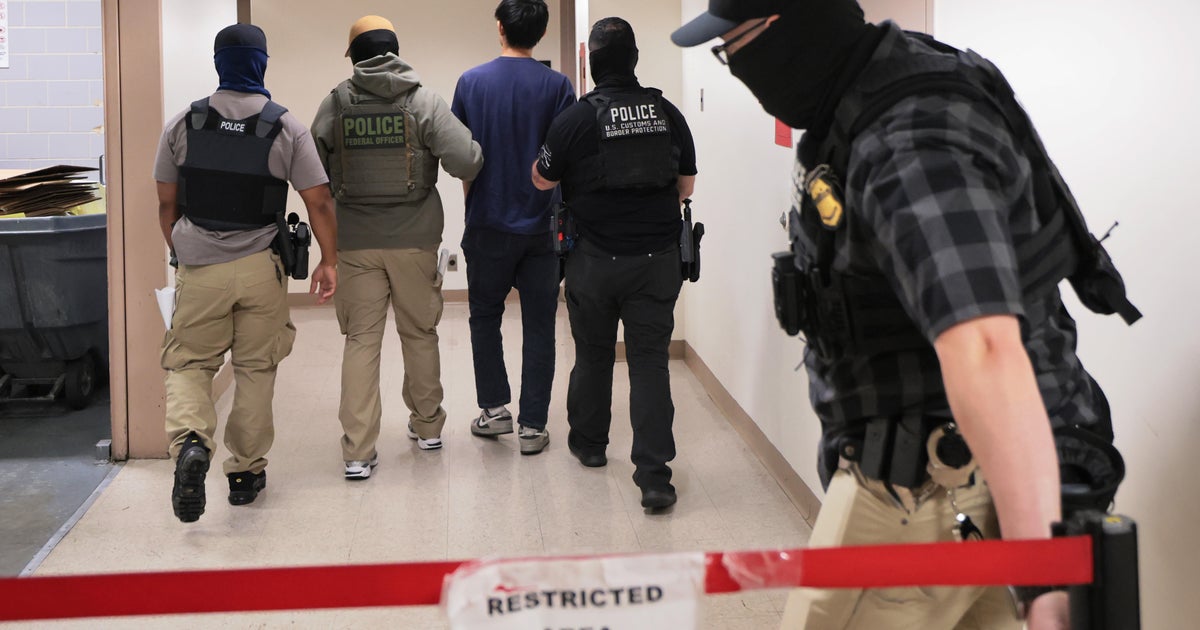
Leaders within local communities and members of the Democratic Party are expressing strong disapproval of current federal immigration enforcement practices. Their concerns were recently highlighted during a tense confrontation outside a courtroom, where they voiced allegations that tactics employed by federal immigration agents are leaving lasting trauma within their communities.
Legal Perspectives on Detentions and Deportations
James Percival, legal advisor at the Department of Homeland Security, articulated a critical viewpoint in a post on X, indicating that when a judge issues a ruling for a defendant’s detention, the same principles should apply to individuals facing deportation ordered by immigration judges. He argues that any deviation from this protocol by district judges undermines the rule of law and promotes an ineffective open borders policy.
Recent Ruling Affecting Immigration Court Operations
A pivotal ruling last month determined that federal agents will no longer have the authority to make arrests within Manhattan’s immigration courts. This decision is seen as a significant shift in how immigration enforcement operates in urban areas, drawing both praise and criticism from various stakeholders involved in immigration policy and community advocacy.
Impact on Local Communities and Legal Framework
The ramifications of these legal developments extend beyond the courtroom, affecting the dynamics of local communities where fears of immigration enforcement have long persisted. Advocates for immigrant rights argue that a more humane approach is necessary to foster trust between local communities and law enforcement, while critics warn that leniency may compromise public safety.
Broader Implications for Immigration Policy
As these legal battles unfold, they underscore a broader national debate concerning immigration policy and enforcement. With public sentiment evolving, policymakers are faced with the challenge of balancing community safety and the rights of individuals navigating an often-complex immigration system.
Community Reactions to the Changes
Community organizations have welcomed the recent ruling, seeing it as a potential avenue for reducing fear among immigrant populations. They argue that such changes can allow individuals to seek legal recourse without the looming threat of arrest, thereby fostering a more inclusive environment in New York.
The Future of Immigration Courts
Looking ahead, the future of immigration courts and federally mandated procedures remains uncertain. Stakeholders from various sectors continue to engage in spirited discussions, weighing the impacts of enforcement policies against community needs and individual rights. As this landscape evolves, the call for a thoughtful and comprehensive approach to immigration reform has never been more pertinent.
