


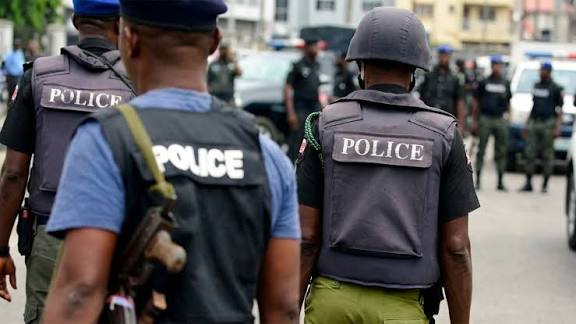
Nigeria’s National Security Debate Intensifies Amid Rising Challenges
As Nigeria confronts escalating security issues, the discourse around national security has shifted from an abstract concept to a pressing priority. This transformation emphasizes the complexities involved in implementing effective measures, as noted by Linus Areke.
Decentralized Policing Gains Traction
Amid worsening insecurity, proposals for decentralized policing are finding renewed support, even as they raise intricate constitutional, financial, and operational questions. The urgency for reforms across the Commonwealth is now more apparent than ever.
Presidential Support for Reform
Central to this evolving dialogue is President Bola Tinubu, who has consistently endorsed the need for a police force reflective of Nigeria’s diverse landscape. During a recent Ramadan dinner with parliament members focused on governance and security reforms, he articulated the necessity for a more adaptable security framework.
Shifting Towards Localized Security
The President asserted that Nigeria’s security architecture must evolve in response to contemporary realities, highlighting that centralized systems are increasingly inadequate in addressing widespread threats. He emphasized, “Our national security challenges require structures that are closer to the people,” advocating for the inclusion of state police as a vital reform to protect citizens.
Legislative Progress on State Policing
Momentum is building within the House of Representatives to advance the constitutional amendments required for the establishment of state police forces. Lawmakers recognize these reforms as essential to navigate Nigeria’s complex security landscape. The Deputy Speaker, Rt. Benjamin Carew, emphasized the limitations of a centralized police system in a nation with over 220 million inhabitants, 36 states, and numerous local governments.
Concerns from the Nigeria Governors Forum
Despite the growing political alignment around the concept of state police, the Nigeria Governors Forum (NGF) has raised significant concerns about the proposed framework. At a recent meeting, state governors expressed unanimous support for the principles of a state police force, yet they called for constitutional safeguards to prevent issues of political influence and ensure operational standards.
Operational Challenges and Recommendations
Among their primary concerns are the potential shifts in legislative authority, funding inadequacies for training and logistics, and the requirement for federal approval, which could undermine local responsiveness. Governor Dapo Abiodun of Ogun State articulated the governors’ position while highlighting the collaborative approach taken to support state police initiatives.
Expert Insights on Decentralization
The Inspector-General of Police, Olatunji Disu, presented the Nigeria Police Implementation Framework to the National Assembly, assuring that the reforms are designed to bolster national security rather than fragment it. He underscored the importance of achieving synergy between federal and state forces, highlighting the potential for decentralized policing to improve local security responses.
The Case for a Dual Police Structure
International evidence supports the benefits of decentralized policing in effectively addressing local security needs. Research indicates that state or local police can lead to reduced response times and enhanced community engagement. In Nigeria, various implementation models are under consideration, aimed at striking a balance between federal oversight and state autonomy.
Future of Nigeria’s Internal Security
The ultimate success of a state police model in Nigeria hinges on effectively managing challenges such as legal clarity and sustainable financing. While stakeholders’ concerns are valid, momentum for reform is undoubtedly gaining strength. If implemented thoughtfully, a national police force has the potential to reshape Nigeria’s internal security architecture, fostering closer community relations while maintaining national unity.
