


Nigeria Reaffirms Commitment to Land Rights and Forest Conservation
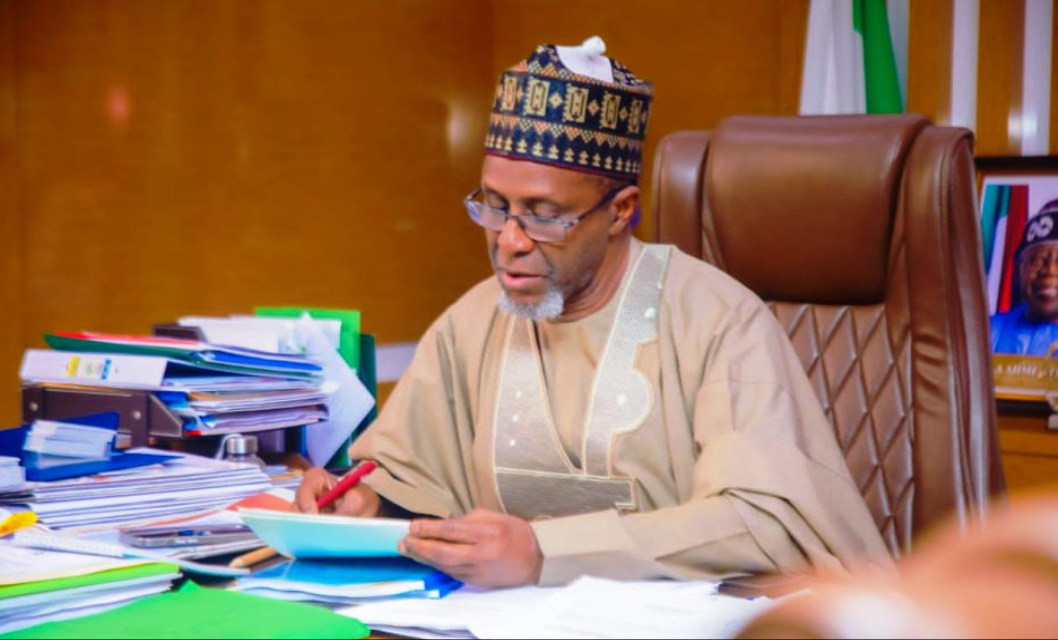
Nigeria has once again underscored its dedication to strengthening land rights and enhancing forest conservation efforts, as nations worldwide escalate their initiatives to halt and reverse deforestation by 2030. This commitment was articulated by Environment Minister Balarabe Abbas Lawal during a high-level meeting focused on the upcoming COP31 United Nations climate negotiations in Turkiye.
Global Forest Conference Highlights Urgency of Action
The conference, held in London, convened representatives from nations rich in forests, donor countries, and climate action partners, all aimed at assessing progress in forest conservation and identifying strategies to expedite efforts by the 2030 deadline to end forest depletion. Minister Lawal presented several initiatives Nigeria is undertaking to restore degraded lands and promote environmental sustainability, including the Great Wall Project and the National Clean Cooking Policy.
Support for Indigenous Rights Centers on Climate Action
Minister Lawal also reiterated Nigeria’s backing for the Intergovernmental Land Tenure Commitment (ILTC), a global effort designed to bolster the land rights of indigenous communities as a means to safeguard forests and effectively combat climate change. He emphasized that ensuring land rights is pivotal not only for long-term environmental objectives but also for supporting communities whose livelihoods hinge on forests and natural resources.
Political Momentum Essential for Forest Conservation
Themed “From Glasgow to Addis Ababa: FCLP and COP Presidency Building Momentum on Forests from COP30 to COP31,” the meeting aimed to sustain the political will necessary to support the global commitment to halt and reverse forest loss. Organized under the Forest and Climate Leaders Partnership (FCLP), the gathering brought together a coalition of governments focused on reducing deforestation, restoring degraded lands, and enhancing accountability for forest-related climate commitments.
Implementation Focused on Achieving Ambitious Goals
Participants noted that forests remain one of the most powerful tools available to combat climate change, conserve biodiversity, and promote sustainable livelihoods. COP30 President Andre Aranja Correa do Lago emphasized that nations must transition from commitments to actions. He stated that realizing the goal of halting and reversing deforestation by 2030 depends on taking tangible steps beyond ambition.
Updates on National Forest Governance Initiatives
Alongside Nigeria, Indonesia and Ghana highlighted their national programs aimed at enhancing forest governance and facilitating climate action. Indonesia, for instance, showcased its initiatives to protect extensive peatland and mangrove ecosystems, which rank among the world’s most effective natural carbon sinks. Indonesia’s Forestry Minister Raja Juri Antoni noted that the country manages about 3.4 million hectares of mangroves, accounting for nearly a quarter of the global mangrove ecosystem.
New Commitments from Latin America Encourage Global Collaboration
Meanwhile, Ghana announced advancements in its efforts to issue forest carbon credits through its jurisdictional REDD+ program, which seeks to attract investments for forest conservation while also benefiting local communities. Ghana’s Deputy Minister of Lands and Natural Resources, Yusif Slemana, called for a reliable international framework for forest carbon markets to facilitate additional funding for conservation. New commitments from Peru and Brazil regarding land rights further underscored the collaborative efforts needed globally. Peru has formally endorsed the ILTC, becoming the 16th government to do so, while Brazil has announced initiatives aimed at enhancing land rights for indigenous peoples and local communities.
In a significant funding announcement, Norway declared it would invest NOK 500 million—approximately $55 million annually—over the next three years to support civil society organizations engaged in sustainable forest management and land use initiatives. Norway’s Minister of Climate and Environment, Andreas Bjerland Eriksen, emphasized that preserving forests necessitates ongoing investment in the communities and organizations committed to frontline conservation efforts.
As the preparations for COP31 advance, participants reaffirmed that securing land rights, supporting local communities, and ramping up forest finance are vital components essential for attaining global climate objectives and curtailing further forest loss.
