


Account Closures Linked to Immigration Policies
Recent analysis reveals a troubling trend: over 20,000 consumers have reported unexpected bank account closures in recent months. Experts suggest this surge is tied to financial institutions’ responses to the Trump administration’s stringent immigration policies. This development has generated significant concern among consumers and regulators alike.
Escalating Consumer Complaints
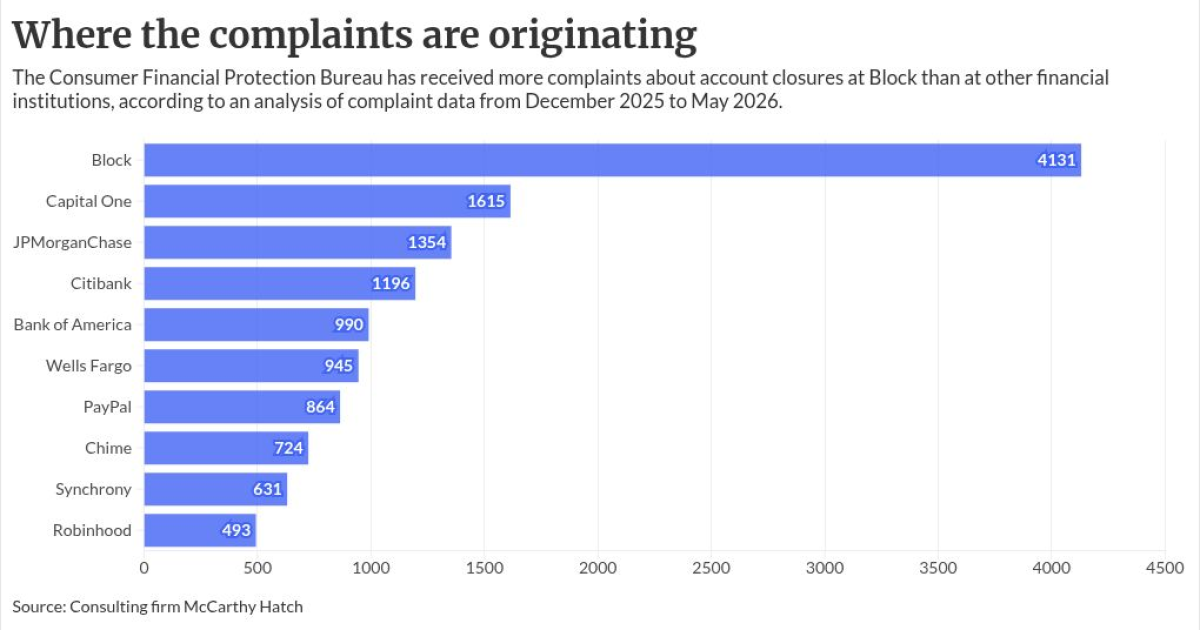
Between December 2022 and May 2023, the Consumer Financial Protection Bureau (CFPB) received 20,682 complaints from consumers claiming to have been locked out of their bank accounts without explanations. This spike in complaints coincides with an executive order signed by President Trump in May 2023 that directs federal regulators to guide banks in identifying informal labor relationships involving undocumented workers.
Banking Industry Reactions
While bank officials welcomed aspects of the executive order, they were relieved it did not mandate citizenship verification for account holders. Many in the banking sector expressed concerns that such requirements would complicate banking processes and deter potential customers. Jim McCarthy, chairman of consulting firm McCarthy Hatch, noted that financial institutions are increasingly suspending accounts based solely on their interpretation of the administration’s policies, often without clarifying the reasons to account holders.
The Scope of Account Closures
McCarthy Hatch’s analysis of over 609,000 consumer complaints highlighted that approximately 3% referred to sudden account closures, frozen funds, or termination of banking relationships. However, this figure likely represents just a fraction of the total cases, as many affected customers may choose not to file complaints. Both banks and regulators currently do not track or report comprehensive data regarding account closures, making it challenging to accurately assess the situation.
Anecdotal Evidence of Financial Exclusion
Consumers expressing confusion about sudden account closures often report feelings of vulnerability, left without answers from their banks. The rise in complaints has drawn attention to ongoing critiques from Republicans regarding “debanking” practices, particularly concerning industries such as cryptocurrency and gun manufacturing. This has led to attempts to reverse prior measures aimed at excluding high-risk sectors from financial systems.
New Guidelines from Regulatory Bodies
Earlier this month, the Financial Crimes Enforcement Network (FinCEN) and the Prudential Regulation Authority issued joint guidance, urging banks to scrutinize potential fraud tied to individuals using Individual Taxpayer Identification Numbers (ITINs). ITIN holders, often undocumented but legally residing in the country, face challenges in accessing banking services. Despite the recommendations, no major banks have publicly altered their ITIN lending practices as yet.
Implications of Bank Closure Practices
Financial institutions are navigating a complex landscape of compliance with anti-money laundering laws, regulatory scrutiny, and technological risk management. Many banks are hesitant to provide detailed reasons for account closures due to confidentiality obligations under the Bank Secrecy Act. This lack of transparency leaves consumers feeling marginalized and often mischaracterized as criminals. The real impact of the government’s executive order on banking practices remains to be seen as the Treasury Department determines its enforcement approach.
