


North Carolina Republicans Advance Controversial Legislation Despite Opposition
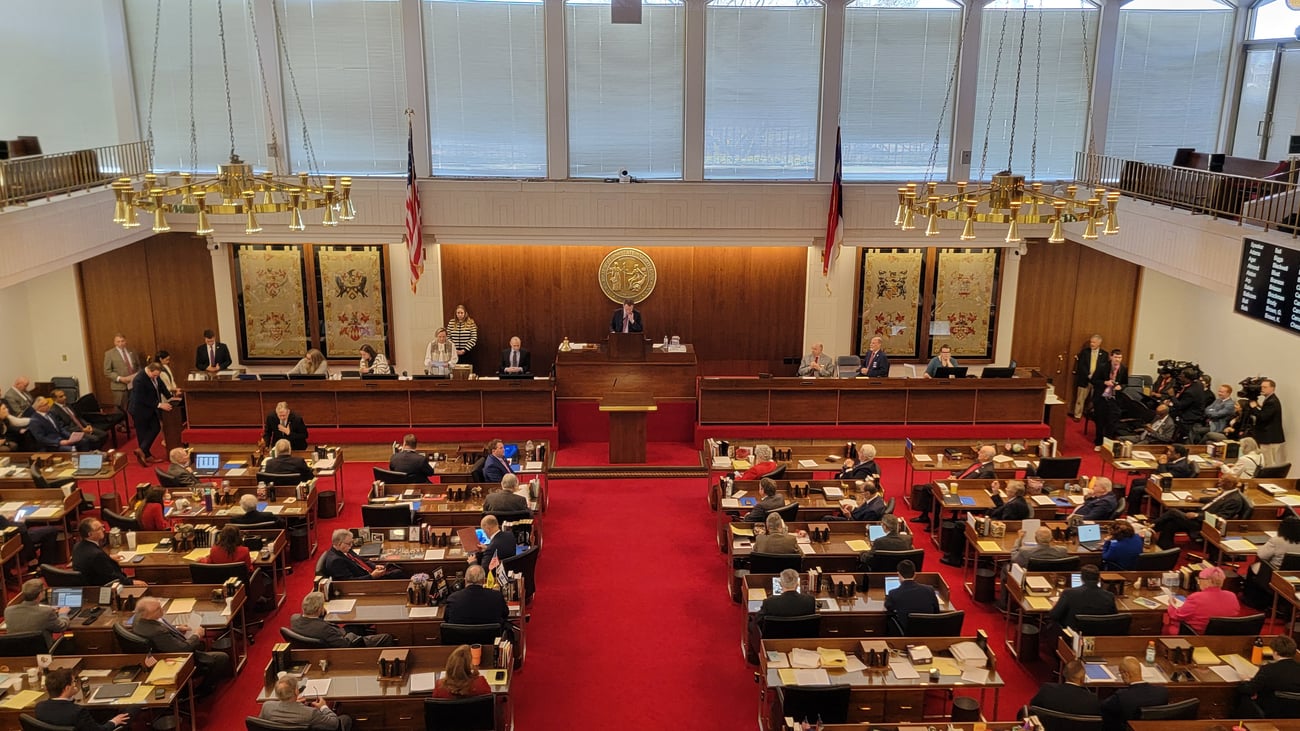
RALEIGH, N.C. – On Wednesday, North Carolina’s Republican lawmakers passed several bills, overriding the vetoes of Democratic Governor Josh Stein amidst significant resistance. This development comes as Democrats maintain key positions in the state’s Legislature, with Republicans narrowly losing their veto-proof majority.
Republicans Seize Opportunity in Legislative Vote
The Democrats’ temporary absence during the vote enabled Republicans to achieve a three-fifths majority, facilitating the passage of contentious legislation that had been stalled since the last session. House Speaker Destin Hall noted that despite the loss of the supermajority, the party felt empowered enough to move forward with their priorities.
Legislation Targets Diversity, Equity, and Inclusion Initiatives
Among the bills passed are measures aimed at curtailing diversity, equity, and inclusion (DEI) efforts across state and local governments, public schools, and universities. One significant piece of legislation, Senate Bill 227, specifically targets DEI in K-12 education, prohibiting public school employees from teaching what are deemed “divisive concepts.” These concepts include any curriculum suggesting that one race or gender is superior to another or that inherent racism exists due to one’s race or gender.
Restrictions on Public Education and Hiring Practices
The bill mandates that public institutions cannot endorse divisive concepts or develop DEI departments. Additionally, it restricts any professional training that includes these initiatives. Hall stated that the goal is to remove considerations of race from government decision-making, emphasizing that private organizations may choose to maintain DEI initiatives at their discretion.
Governor Stein Critiques Legislative Direction
In response to the passage of these bills, Governor Stein articulated his concerns, arguing that the state should prioritize the promotion of diversity instead of limiting educational content. He expressed the belief that the educational system should encourage students to learn from a range of perspectives rather than suppressing differing viewpoints.
Higher Education and House Bill 171
A parallel bill affecting higher education was also approved, aiming to eliminate DEI initiatives from state universities. This legislation, along with House Bill 171, which still awaits a final Senate vote, would ban state agencies from integrating DEI into their hiring practices and could impose fines on employees for violations.
Debate Restrictions and Party-Line Voting
Debate on the contentious bills was limited to three minutes per side, and all four pieces of legislation passed with a 71-47 vote along party lines. The absence of key Democratic legislators, including Carla Cunningham and Shelley Willingham, contributed to the successful override of the vetoes, highlighting the precariousness of the current political dynamics within the state Legislature.
Budget Delays Amid Legislative Controversy
As these significant policy shifts unfold, Republican leaders continue to navigate the complexities of developing their biennial budget. Democrats have criticized the delay, pointing out that more than 1,000 days have passed since the last state budget was approved in September 2023. Governor Stein’s comments reflect broader frustrations, emphasizing that the ongoing culture wars distract from essential governance responsibilities and needed funding for educators and law enforcement.
