


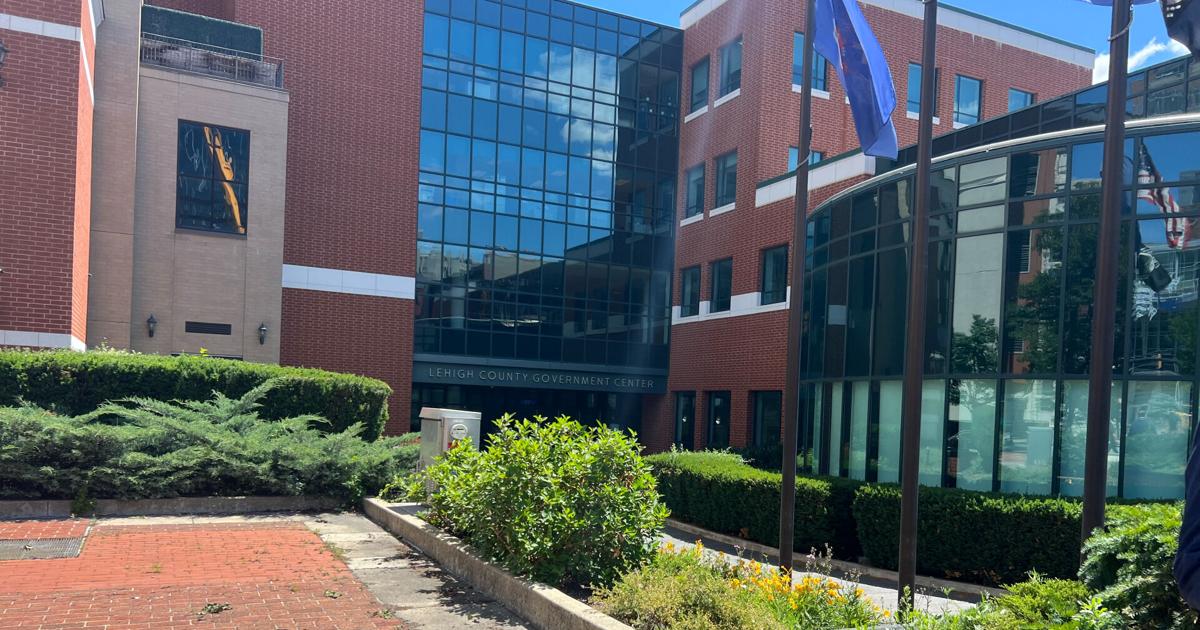
Lehigh County Commission Restricts Immigration Enforcement on County Property
ALLENTOWN, Pa. – In a significant move to safeguard public spaces, the Lehigh County Commission approved a policy on Wednesday that forbids federal immigration authorities from using county-owned property for immigration enforcement activities. This initiative aims to foster an environment where residents feel safe and welcome in their community.
County Executive Joshua Siegel emphasized the importance of public access, stating that the county’s spaces should be enjoyable for all residents. “We don’t want people to be afraid of public spaces,” he noted.
The legislation, known as Resolution 2026-27, was championed by Commissioners John Irons and Zach Kohlborghi and passed with a 6-2 vote. It prohibits the use of county facilities—including buildings, parking lots, parks, and open spaces—as staging areas or operational bases for immigration enforcement. Exceptions are made for specific facilities managed by law enforcement and correctional authorities.
Commissioner Irons articulated the policy’s intent, affirming that county resources are meant to serve residents rather than facilitate federal immigration enforcement efforts. “County land is for the enjoyment of county residents, and that access should not be used for federal immigration efforts,” he stated.
Supporters of the measure argue that it will help reassure immigrant communities and reduce potential legal liability for counties in the face of federal immigration actions. Residents who advocated for the policy expressed fears of racial profiling, unlawful detention, and misconduct by federal immigration officials.
However, opponents raised concerns that such a policy could obstruct federal operations and send a conflicting message regarding cooperation with law enforcement. Commissioners Sheila Alvarado, Jeff Brace, Kohlborghi, Sara Fevig, Irons, and April Riddick supported the resolution, while Commissioners Dan Hartzell and Antonio Pineda cast opposing votes.
Delay on Policy Governing Employee Interactions with Immigration Officials
In related discussions on Wednesday, commissioners also voted 6-2 to postpone a decision on Resolution 2026-26, a proposal aimed at regulating county employees’ interactions with immigration officials. Irons indicated that the two resolutions would work together to clarify the county’s stance on immigration enforcement.
This policy would mandate that employees notify their supervisors and the county attorney before granting access to nonpublic areas or sharing confidential information. There are cases where the policy may be revoked entirely. Commissioner Pineda voiced his disapproval, describing the measure as “bad policy” and maintaining that non-cooperation with federal authorities could lead to complications for county workers.
Pineda argued that the policy places employees in a challenging position, forcing them to choose between compliance with federal law and adherence to county policies. “You’re basically telling your employees to choose one or the other, get arrested or get fired,” he asserted.
In contrast, Irons defended the policy, asserting that it establishes clear guidelines for employee interactions, ensuring that they prioritize federal employees when necessary. Siegel reiterated the county’s commitment to cooperation with federal authorities when legally mandated. Commissioner Fevig shared concerns over enforcement protocols, training needs, and potential disciplinary actions that could arise from this policy.
Commissioner Alvarado suggested the measure requires further refinement, emphasizing the difficult nature of county employees’ jobs. Following feedback from staff indicating a need for additional clarity, Irons supported postponing the proposal until the commission’s next meeting on July 8.
The discussions surrounding both resolutions elicited extensive public commentary, highlighting the divide between those who view these initiatives as essential protections for residents and employees, and those who warn that they may hinder vital cooperation with federal authorities. The subject of Resolution 2026-26 will return to the commission for further deliberation on July 8.
