


Pillars of National Unity Strengthen Social Cohesion in Nigeria
Religious and traditional institutions play a vital role in fostering national unity, peacebuilding, and social cohesion in Nigeria. Stakeholders are increasingly advocating for enhanced collaboration among local leaders, government bodies, and civil society to address escalating social divisions and bolster public trust.
Key Insights from the National Social Cohesion Dialogue
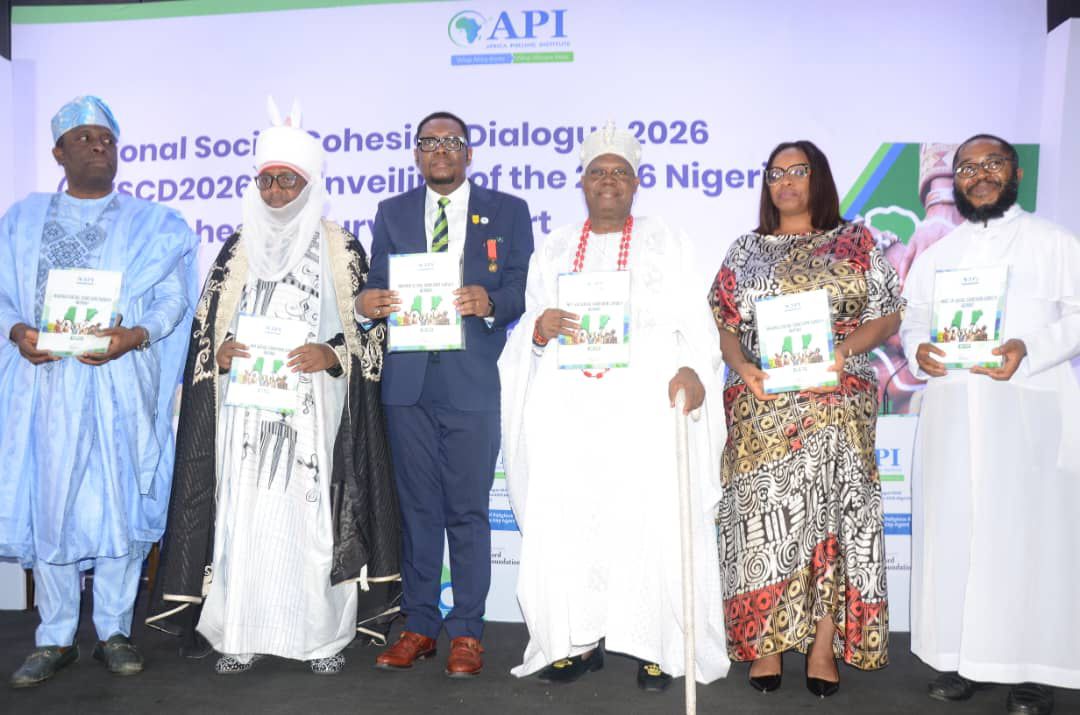
This perspective emerged during the 2026 National Social Cohesion Dialogue, organized by the African Institute for Public Opinion Research (API) in Abuja on Thursday. The event convened policymakers, traditional rulers, religious leaders, development partners, and civil society organizations to assess the current state of social cohesion across the nation.
Results of the Nigeria Social Cohesion Survey
The dialogue’s theme, “Strengthening the Role of Religious and Traditional Institutions as Key Agents of Social Cohesion,” highlighted findings from the 2026 Nigeria Social Cohesion Survey, a significant research initiative backed by the Ford Foundation. Prof. Bel Ifua, Executive Director of API, announced that Nigeria’s social cohesion index increased to 48.8 percent this year, marking a 2 percent rise from 2025, and representing the highest score recorded since the survey’s inception.
Resilience Despite Challenges
Despite remaining slightly below the 50 percent threshold, Ifua emphasized that this improvement illustrates the resilience and commitment of Nigerians to coexist, even amid economic difficulties, insecurity, and other societal challenges. A notable finding from the survey indicated a growing consensus among respondents for a unified national identity.
Public Trust Dynamics
For the first time since the survey’s inception, a majority of respondents identified primarily as Nigerians rather than through ethnic, religious, or regional affiliations. This consequential shift marks a significant milestone in the nation’s journey toward unity. Nonetheless, the survey revealed a troubling trend: public trust in government institutions continues to falter, whereas trust in religious and traditional leaders remains considerably strong.
The Role of Traditional and Religious Leaders in Society
Advocating for the utility of Nigeria’s diversity as a national asset, Program Director Oninye Onyema Obi from the Ford Foundation stressed the need for inclusive leadership and constructive engagement. Traditional and religious leaders hold a distinctive place in society, engendering trust and shaping community attitudes while guiding responses to societal challenges.
The Call for Greater Involvement and Training
As insecurity, misinformation, and social polarization rise, the importance of trusted community leaders in fostering dialogue and peaceful coexistence only intensifies. Archbishop Ignatius Ayaw Kaigama of the Catholic Archdiocese of Abuja underscored that social cohesion is fundamental to national development and stability, particularly as many citizens feel increasingly disconnected from governmental frameworks. He urged enhanced participation of traditional and religious leaders in governance and public policy dialogues, suggesting that their grassroots connections provide valuable insights into community needs.
Addressing Social Challenges Through Trust and Neutrality
Kaigama recommended introducing formal consultation frameworks, greater recognition of traditional authorities, and specialized training programs in conflict resolution and community development for religious and traditional leaders. He cautioned against the entanglement of these leaders in partisan politics, as such affiliations threaten to erode their moral authority and public trust. Participants in the dialogue concurred that nurturing credible community institutions is crucial for addressing Nigeria’s social and developmental challenges, emphasizing that lasting peace and national unity hinge on collective efforts grounded in trust and a shared commitment to the common good.
