


Impact of Changes to Refugee Benefits in Arizona
For over five decades, Southwest Lutheran Social Services has played a vital role in assisting legal immigrants in the metro Phoenix area, helping them navigate their new lives in the United States. President and CEO Connie Phillips notes that the process of integration had been relatively smooth for many years, supported by the U.S. Refugee Admissions Program, which has resettled more than three million refugees since its inception in 1980.
Suspension of Key Refugee Programs
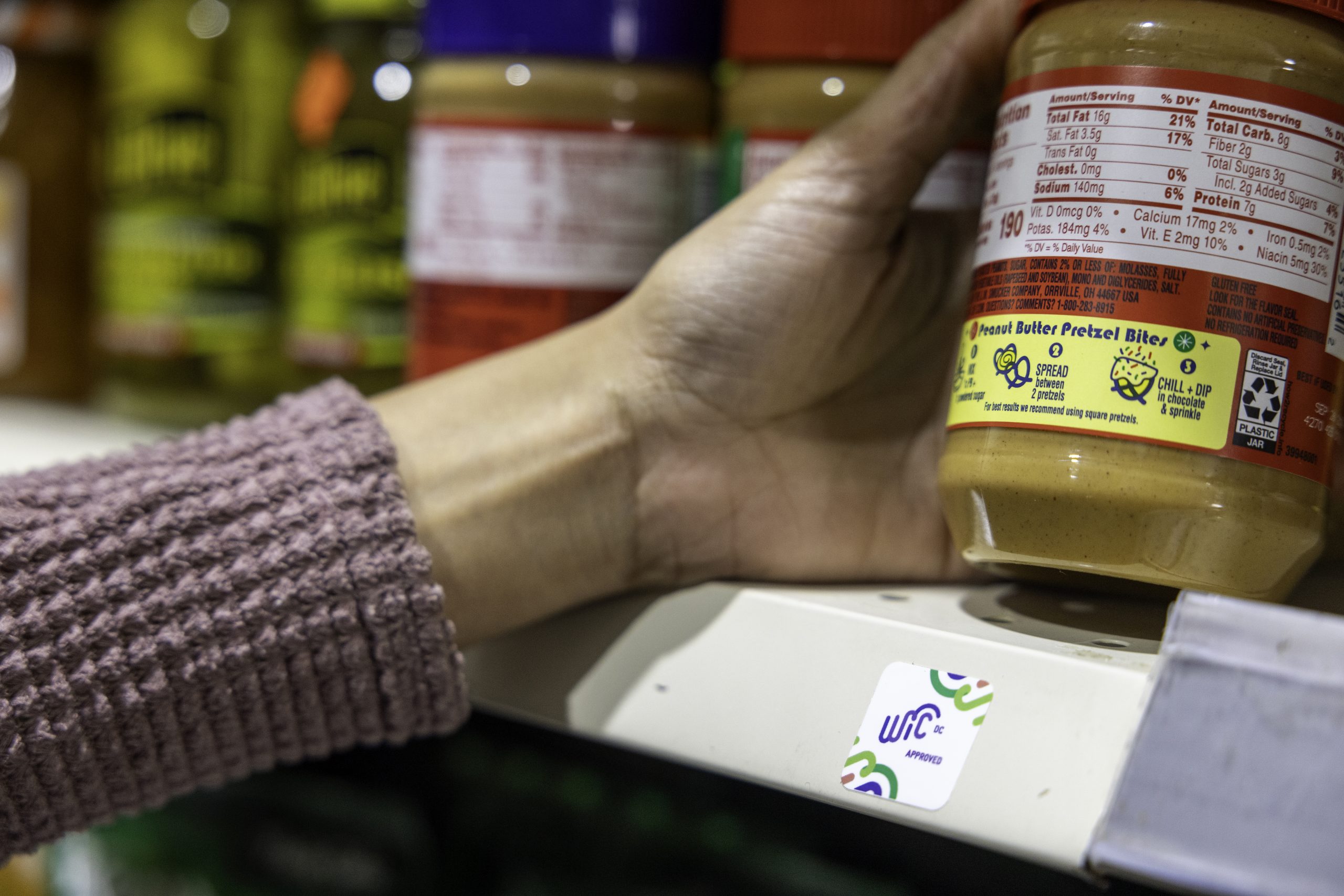
However, on the first day of his second term, President Donald Trump suspended the program, marking a significant shift in U.S. immigration policy. The situation worsened in July 2025, when Trump signed HR1, the “One Big Beautiful Bill Act.” The legislation introduced numerous restrictions on refugees and asylum seekers, stripping them of eligibility for essential support programs like the Supplemental Nutrition Assistance Program (SNAP), commonly known as food stamps.
Decline in Participation and Eligibility
According to the Center on Budget and Policy Priorities, there has been a nationwide decline in SNAP participation by 10% since the signing of HR1, equating to four million fewer people receiving food assistance—although not all are refugees or asylum seekers. Arizona experienced the sharpest drop in participation, with a staggering 47% decrease in eligible recipients over the same timeframe.
Restrictions on Immigrant Benefits
HR1 has severely limited benefits primarily to U.S. citizens, green card holders, and specific immigrants from Haiti and Cuba, while excluding refugees, asylum seekers, and other immigrants lacking permanent resident status. This move aligns with President Trump’s broader immigration deterrence strategy. His administration claimed that extensive fraud was occurring within federal safety net programs, though evidence to support such assertions lacks substance.
Effects on Children and Vulnerable Populations
The legislation has had wide-reaching implications, particularly for children. Recent analysis from ProPublica revealed that refugee and asylum-seeking children no longer qualify for free or reduced-price school lunches, contradicting claims made by the act’s supporters. The automatic enrollment system for lunch assistance is closely tied to SNAP, making these changes particularly detrimental for immigrant families.
Impact of Policy Changes on Service Providers
As the situation evolves rapidly, immigration lawyers, social service agencies, and affected families are grappling with the dual challenges of losing benefits and facing potential changes to their immigration status. Dan Berger, a Massachusetts immigration attorney, emphasizes that the implications are profound, not only in terms of financial assistance but also regarding legal protections associated with immigration status.
Struggles of Resettlement Agencies
Valérie Lacarte, a senior policy analyst at the Migration Policy Institute, highlights the fear among immigrants regarding public assistance, an issue compounded by broader initiatives such as a proposed registry of noncitizens. This has led to a chilling effect that deters eligible individuals from accessing essential services. Despite efforts by agencies like LSS-SW to provide support, they face challenges as the growing number of families in need exceeds available resources.
Leon Rodriguez, former director of U.S. Citizenship and Immigration Services, notes that the elimination of temporary protected status for immigrants from several countries—including Venezuela and El Salvador—has further complicated their ability to secure work permits and access benefits.
Phillips states that while her organization collaborates with food banks and community partners to provide basic meals to struggling refugees, the reality remains dire: many individuals are underemployed in low-wage jobs and lack sufficient food and financial support. The ongoing changes to public benefit eligibility and the increasing barriers these families face represent a significant shift in the landscape of immigrant support in the United States.
