


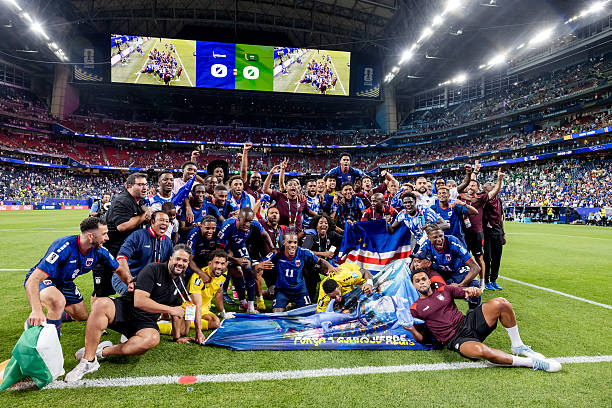
Cape Verde’s Remarkable Debut at the 2026 FIFA World Cup
The small island nation of Cape Verde has made an extraordinary mark in recent World Cup history by advancing to the last 32 in their inaugural appearance at the 2026 FIFA World Cup. The Blue Sharks, representing a population of approximately 500,000, finished second in Group H, behind Spain, through a series of hard-fought draws, positioning themselves as one of the tournament’s standout debutantes.
Impressive Group Stage Performance
Cape Verde opened their campaign with a notable 0-0 draw against the defending European champions, Spain, showcasing their strong defensive capabilities. This was followed by an exhilarating 2-2 tie against Uruguay, sparked by goals from Kevin Pina and Helio Varela, culminating in another goalless draw against Saudi Arabia. With a total of 3 points secured and a goal difference of zero (scoring 2 goals and conceding 2), they surpassed Uruguay in the standings to guarantee their progression.
Defensive Resilience and Tactical Discipline
Throughout the group stage, Cape Verde demonstrated remarkable resilience, marked primarily by their organized defensive strategy and mental toughness. Despite facing opponents with superior skills, they showed elite discipline, conceding only two goals across three matches. Their success stemmed from a classic underdog approach: absorbing pressure, maintaining a compact formation, and exploiting counter-attacks and set pieces to seize scoring opportunities.
Statistical Highlights from the Group Stage
This adept strategy can be evidenced by several key indicators: possession was usually dominated by rival teams, yet Cape Verde consistently maintained their structural integrity; they kept two clean sheets, against Spain and Saudi Arabia; and Kevin Pina’s free kick against Uruguay marked the team’s historic first-ever World Cup goal.
Standout Performers Shine for Cape Verde
Several players emerged as pivotal to Cape Verde’s success, including captain Ryan Mendes. With 100 caps and over 22 goals, Mendes, a veteran forward and wing player, exemplified the team spirit and provided both leadership and technical skill throughout the tournament. His background in clubs across France, England, and Turkey proved invaluable in guiding the younger members of the squad.
Coaching Philosophy and Tactical Approach
Head coach Pedro Leighton Brito, affectionately known as Bubista, has played a crucial role in the team’s achievements since taking charge in 2020. His coaching philosophy centers on tactical discipline, solid defensive frameworks, swift transitions, and cultivating a fearless mindset among players. Bubista has successfully integrated talent from the diaspora while fostering unity, humility, and a focus on competitive balance in their play. Under his guidance, Cape Verde not only topped their CAF qualifying group ahead of powerhouse Cameroon but also solidified their identity as a competitive team on the global stage.
Cape Verde’s Impact on the Global Stage
Cape Verde’s journey in the World Cup has already garnered attention and admiration worldwide, as they now prepare to face Argentina in the Round of 32. Achieving knockout stage qualification is more than just a sporting milestone; it signifies a celebration of resilience, the strength of the diaspora, and the unpredictability inherent in football. The Blue Sharks have made a resounding arrival on the global stage, and their inspiring tale continues to captivate audiences everywhere.
